

Authorized Yamaha dealer
Yamaha digital mixing for production rooms and live sound.
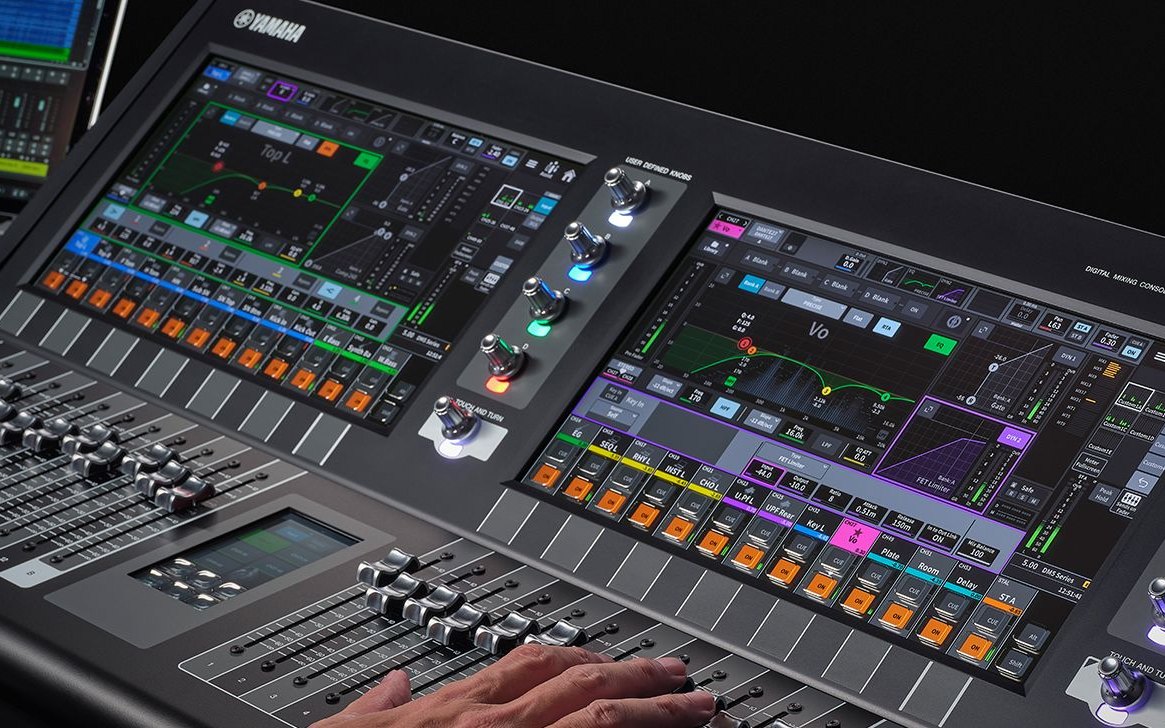
DM3, TF, DM5 and DM7 consoles and the Dante I/O racks that put inputs on the stage. Varto quotes the console and the connections it needs, with system planning when the job goes beyond the desk.
Prefer to talk? (888) 656-6233
// DM3 series
The compact console, with or without Dante.
Both DM3 models have 16 local inputs, eight faders plus a master, a 9-inch touchscreen and 18 x 18 USB audio. Only the DM3 has Dante; the DM3 Standard does not. Their fronts look the same, so the rear panel is where the choice shows.
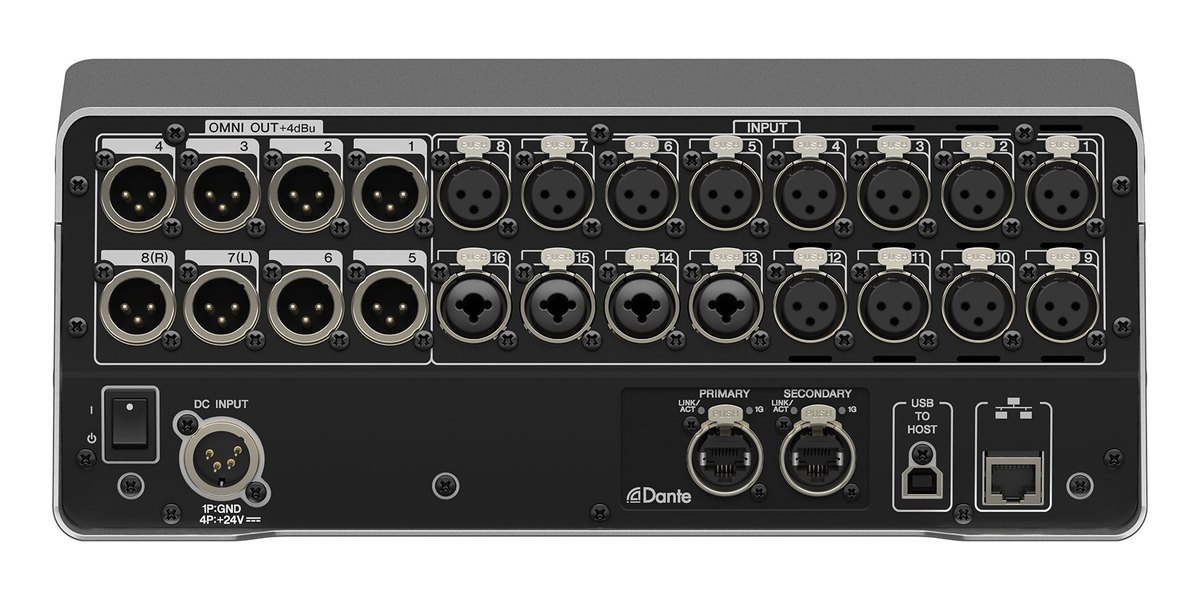
Dante · 16 x 16
DM3
Two etherCON ports carry 16 channels of Dante each way, so the console can take a stage box, share audio with other Dante equipment and record over the network.
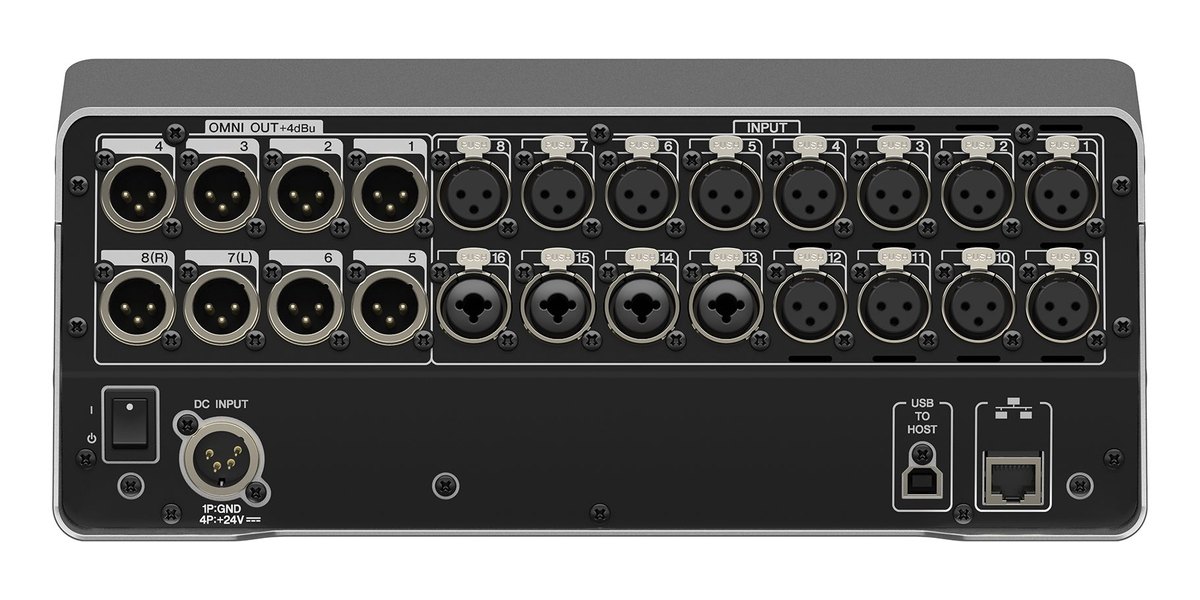
no Dante
DM3 Standard
The same mixing and local inputs and outputs, for a room that runs on its own microphones and USB and has no Dante network to join.
// TF series
A fader for every input.
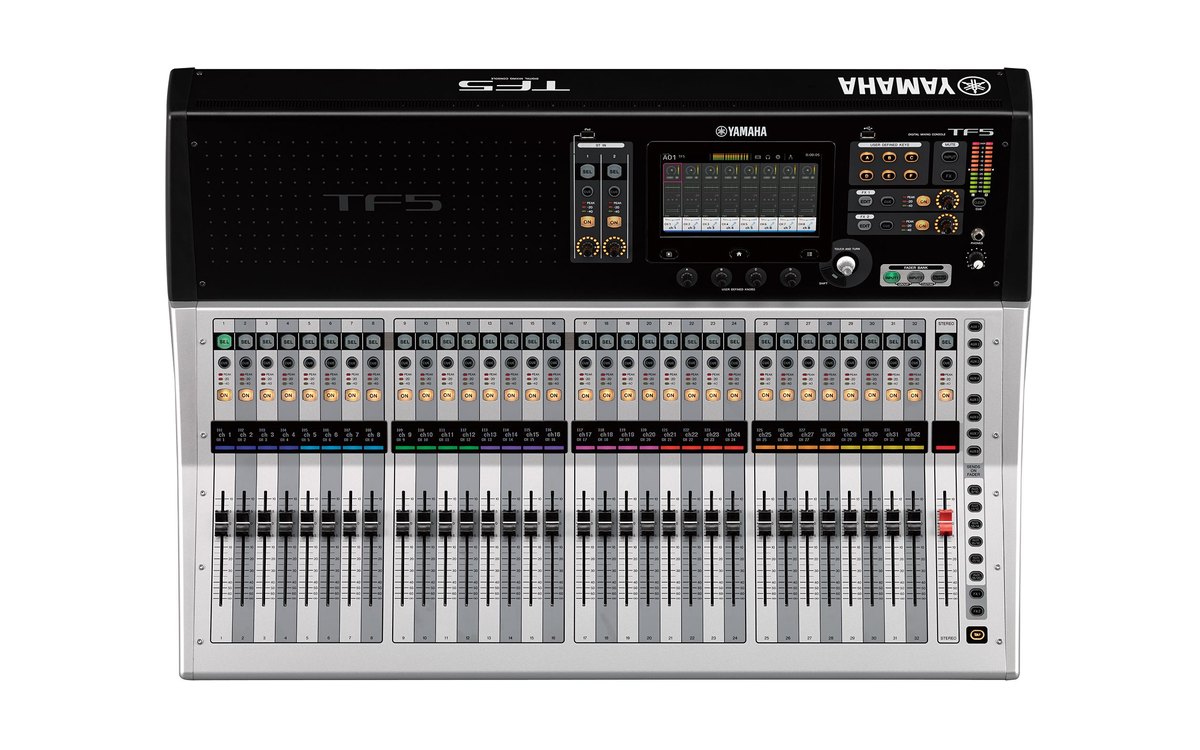
TF consoles put a motorized fader on each input channel: 16 on the TF1, 24 on the TF3 and 32 on the TF5, plus a master. Dante is not built in; it takes the NY64-D card in the expansion slot.
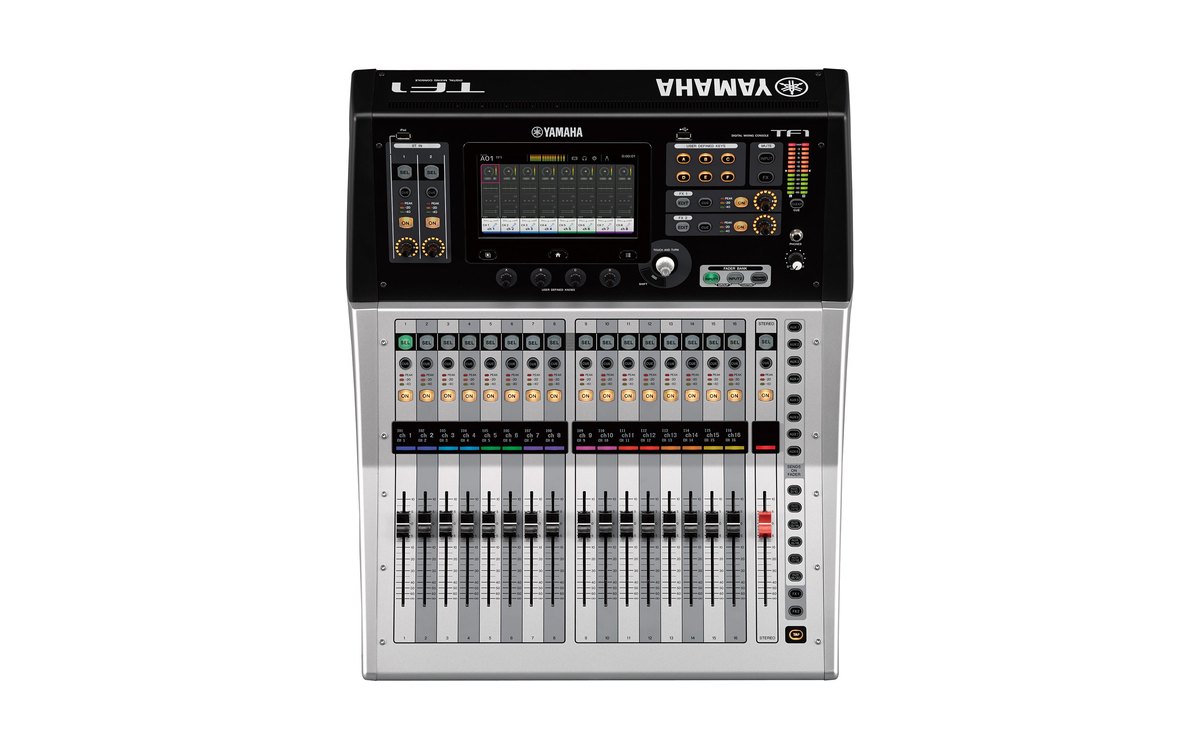
16 inputs · rack mountable
TF1
The smallest TF, with 16 local inputs on 16 motor faders plus master and 34 x 34 USB recording, in a frame that can go in a rack.
32 inputs · 33 faders
TF5
Every one of 32 local inputs on its own fader, for an auditorium or worship room mixed by hand. The TF3 sits between the two with 24.
no fader bank
TF-RACK
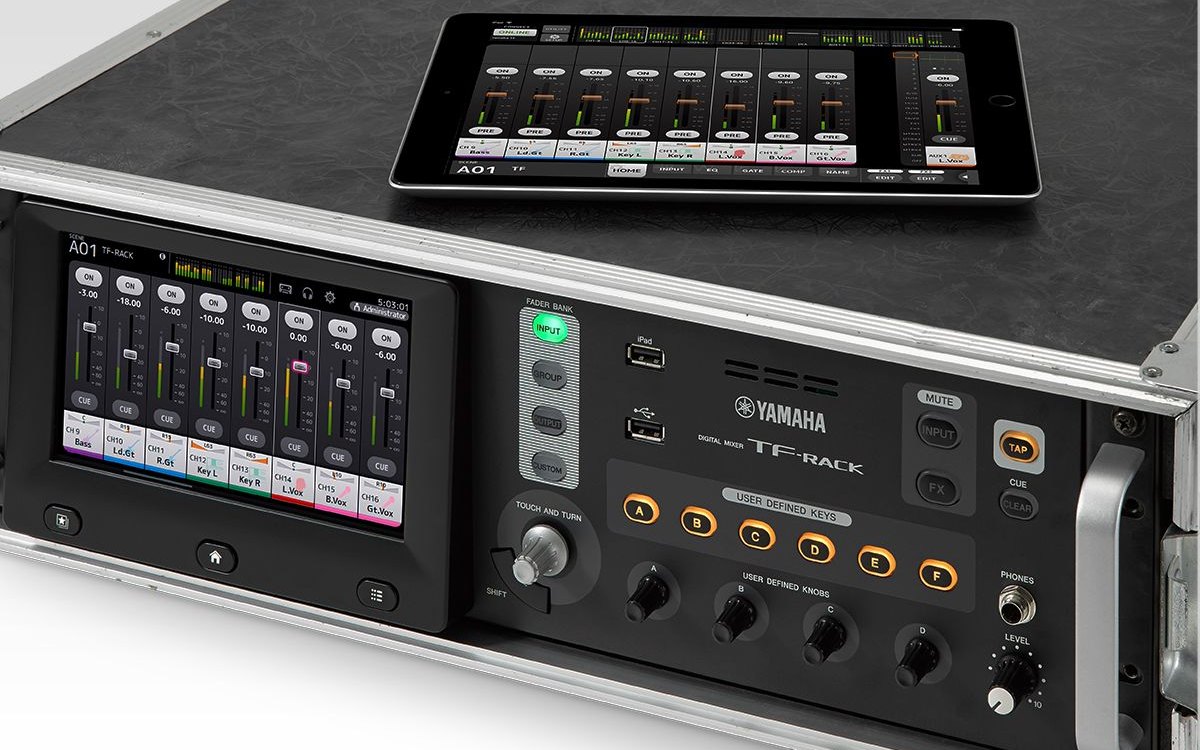
The TF mixing engine in a rack with 16 mic inputs, run from its touchscreen or remotely, for installs and fly-packs where rack space matters more than faders.
// DM5 and DM7 series
Dante-native consoles for broadcast and larger rooms.
DM5 and DM7 have Dante built in, higher channel counts and an optional Broadcast package with tools such as mix-minus and audio follow video. Choose by channels and faders.
48 channels · 13 faders
DM5 Compact
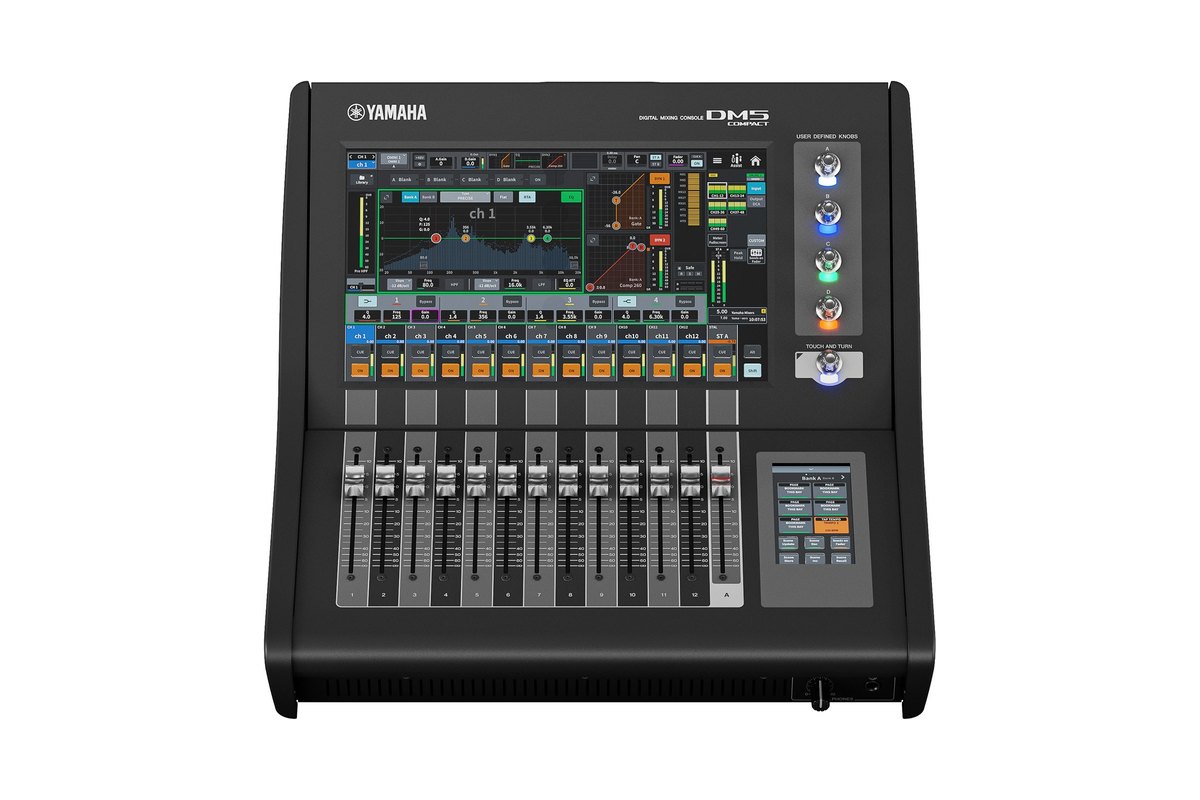
64 x 64 Dante and one expansion slot, in a frame that rack mounts with a kit.
60 channels · 26 faders
DM5
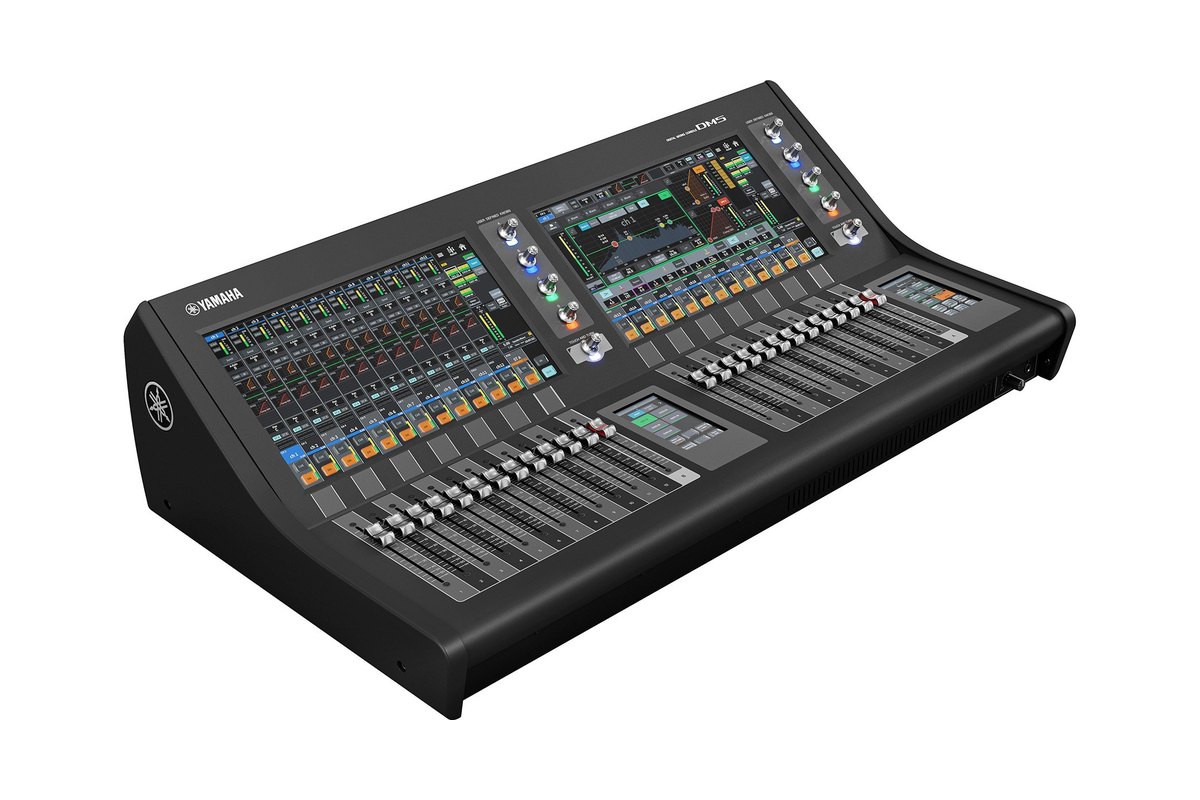
Two 13.3-inch touchscreens and Assist functions that suggest gain, naming, compression and fader settings to the operator.
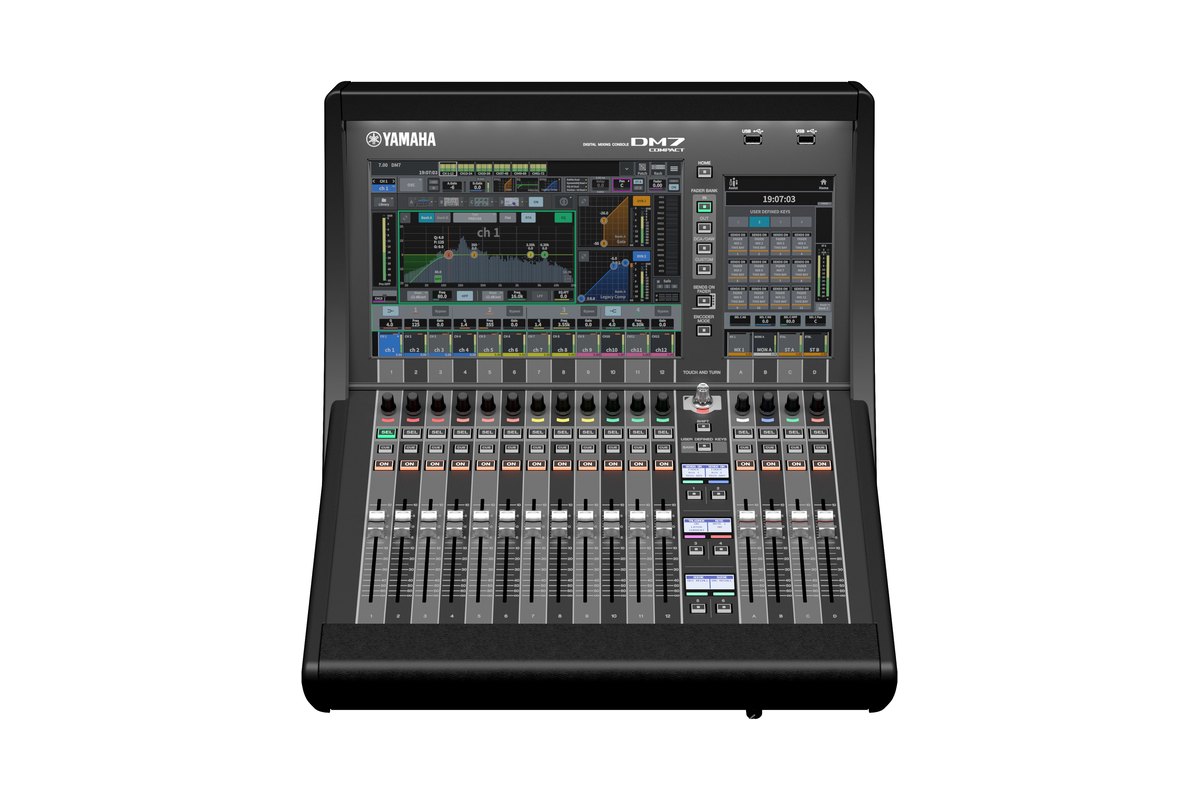
72 channels · 16 faders
DM7 Compact
144 x 144 Dante with a redundant power supply built in, rack mountable with a kit.
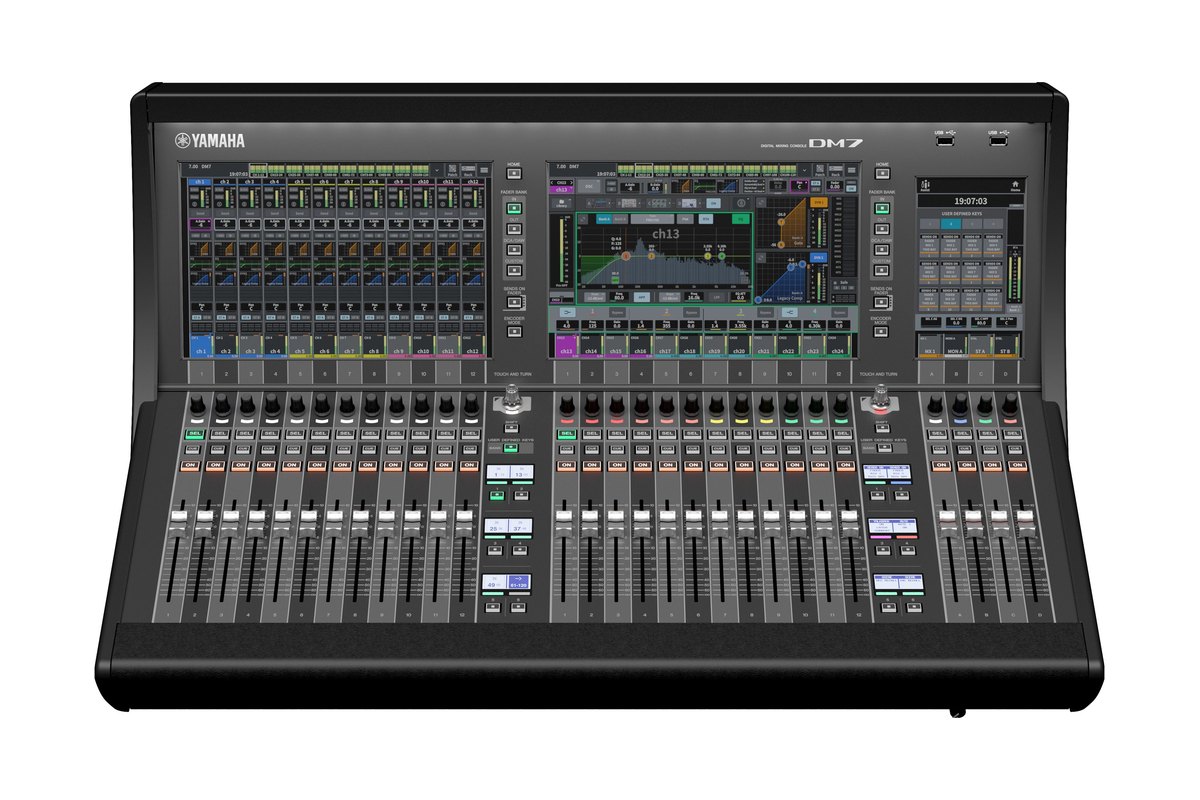
120 channels · 28 faders
DM7
144 x 144 Dante, AES/EBU and redundant power, for large rooms and broadcast control.
Yamaha lists some Broadcast package functions, such as the loudness meter on DM5, as future updates. We confirm the current feature set when we quote.
// Dante I/O racks
Put the inputs where the microphones are.
A Dante I/O rack sits on the stage or set with one network cable back to the console, and the preamp gain is controlled from the desk. Which rack depends on the console.
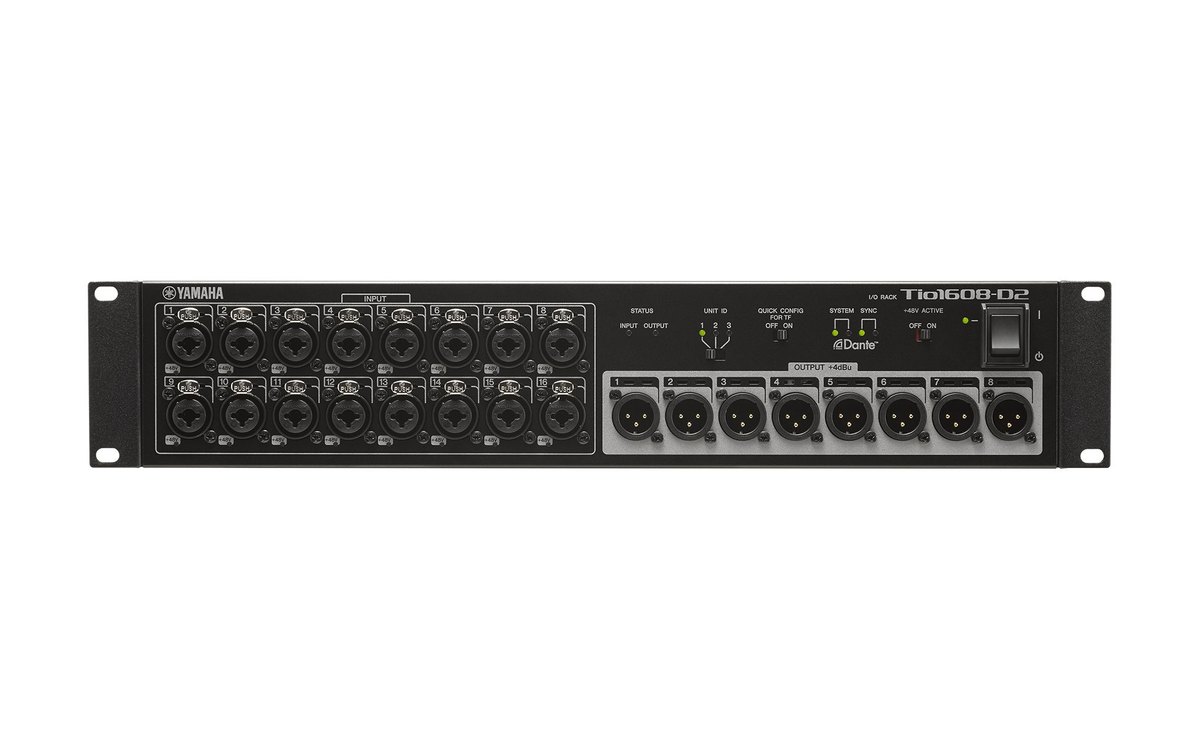
for TF and DM3
Tio1608-D2
16 inputs and 8 outputs in 2U, with gain controlled from TF and DM3 consoles.
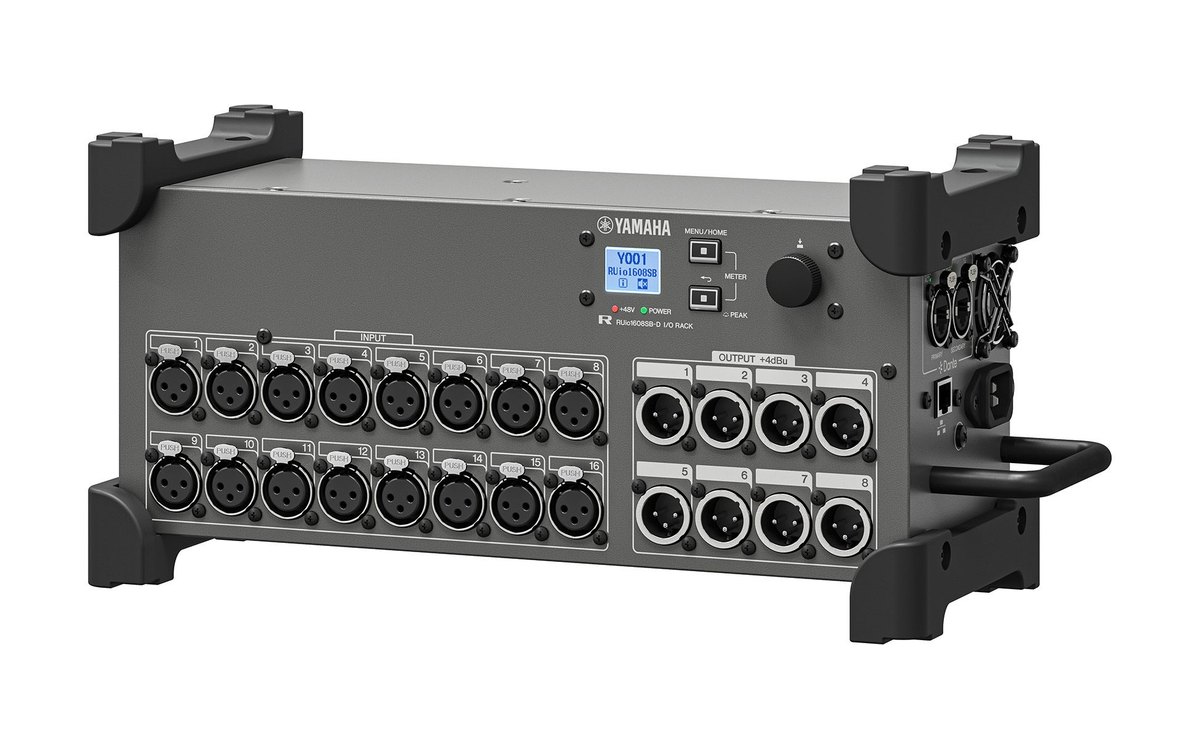
floor stagebox
RUio1608SB-D
A compact 16 in, 8 out stagebox with local gain and phantom power control, for DM5 series systems.
larger fixed systems
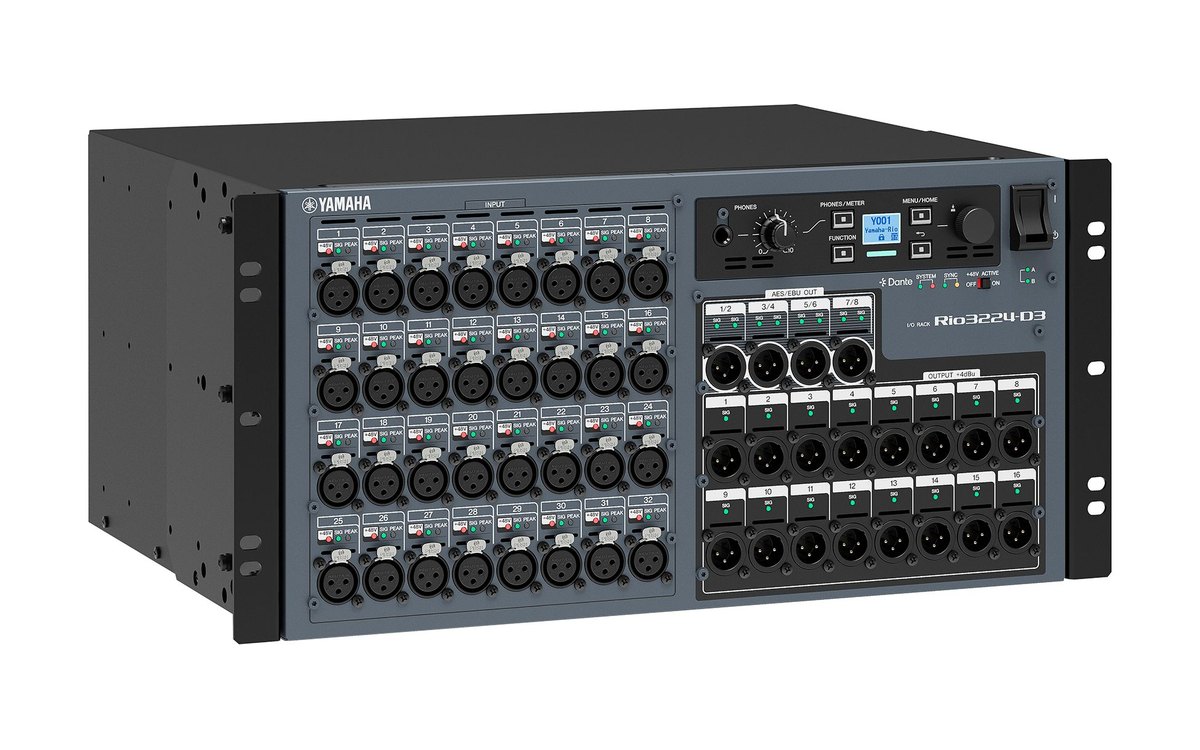
Rio3224-D3 and Rio1608-D3
32 in and 16 out, or 16 in and 8 out, with redundant power, for DM7 and larger systems.
Remote gain depends on the console model and firmware, so we check Yamaha’s compatibility table before pairing a rack with a console.
// Yamaha in our work
A draw studio that runs three live draws a day.

The Lottery control room, March 2025
Varto built the New Jersey Lottery draw studio to run primary and backup switching in parallel, with Flowics graphics and Dante audio on a Yamaha DM3.
The draws go out three times a day, in public and under regulation, so the second path is already running rather than waiting as a recovery plan.
// related
Where Yamaha fits.
// next step
Tell us the sources, the outputs and who runs the mix.
Or send the model numbers. Either one gets a quotation.
Or call (888) 656-6233