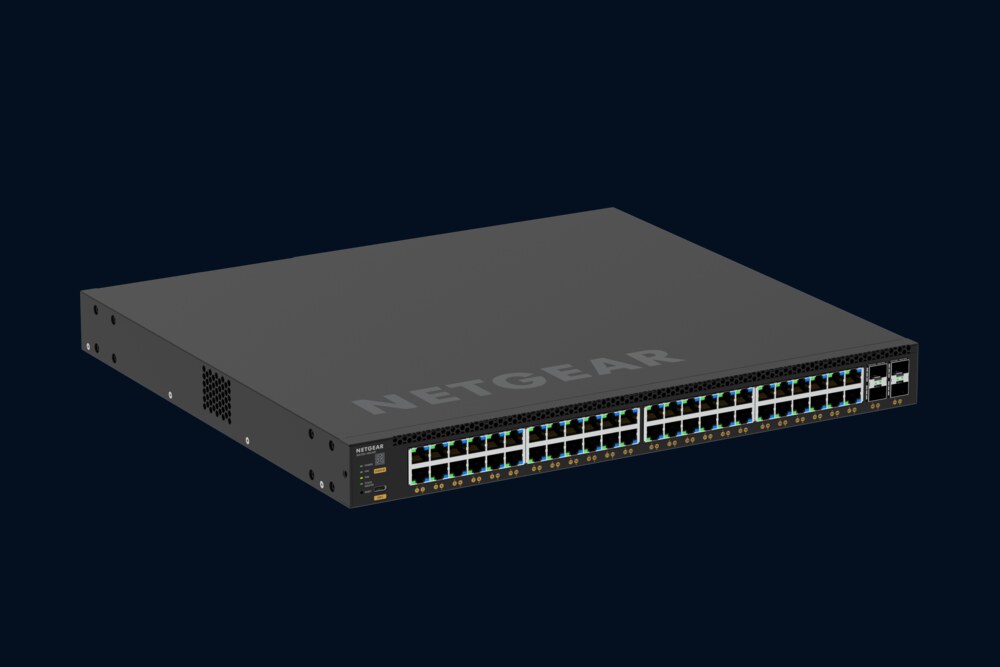
The network your whole production runs on.
Managed AV switching and network design, plus the IP signal flow on top: NDI, ST 2110, and Dante, designed, configured, and deployed for live. Designed with the systems we build, or on its own.
The network itself.
Switches, design and timing, specified together.
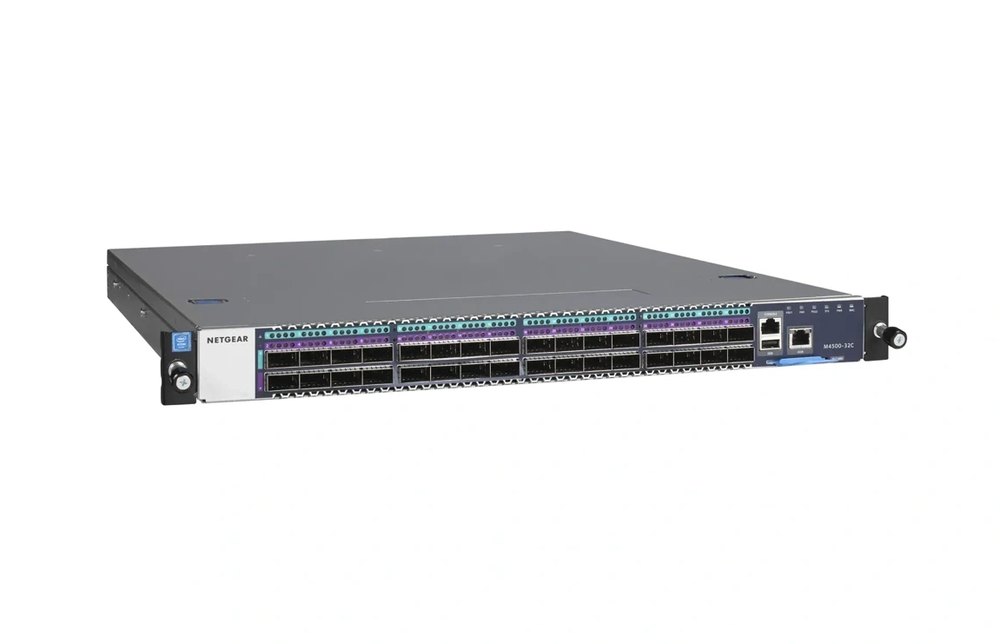
Switches configured for media from day one: QoS, VLANs, and headroom where live needs it.
The production network planned, documented, and built to be supportable by whoever inherits it, including your IT team.
Fiber and copper paths planned for the rooms you have and the ones you will add.
The PTP clock that ST 2110 and AES67 devices lock to, with the grandmaster and boundary clocks placed in the design.
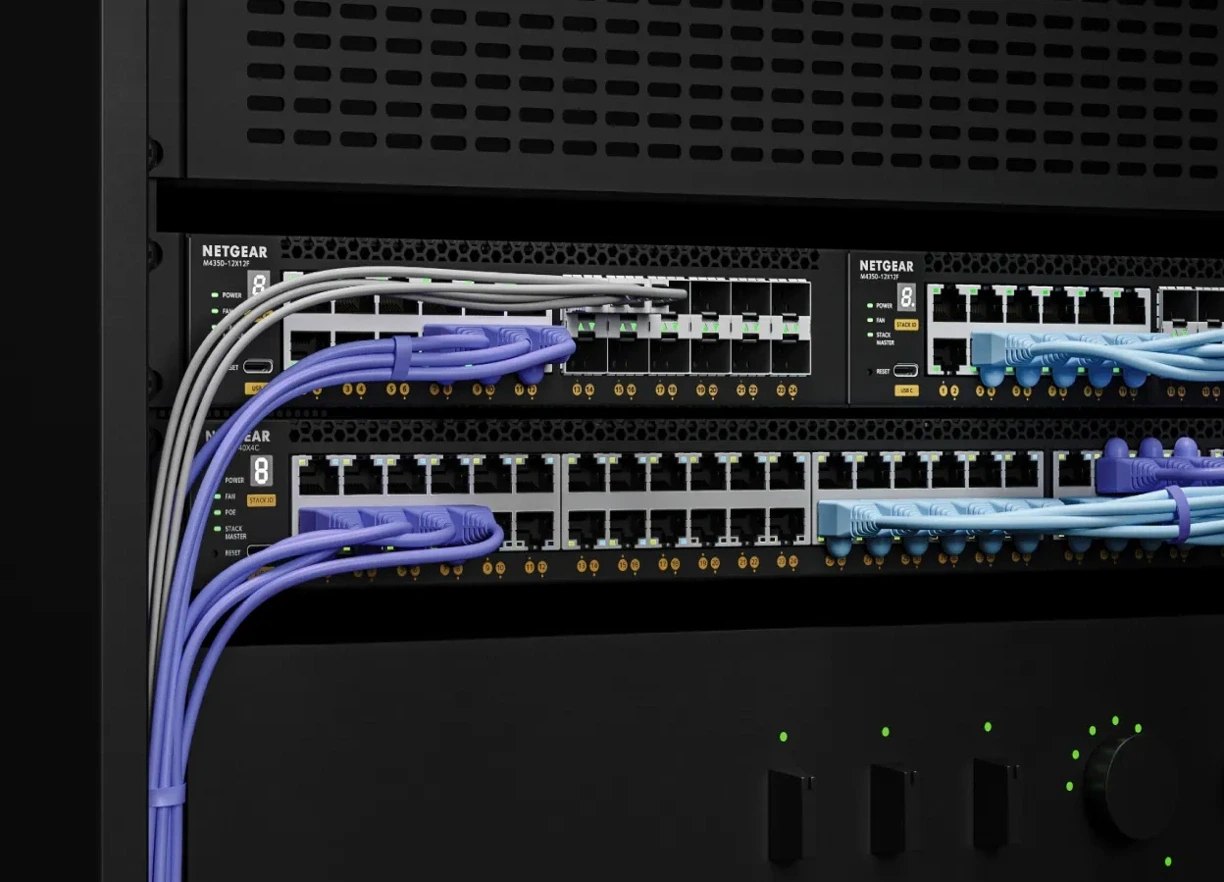
Switches, by where they sit
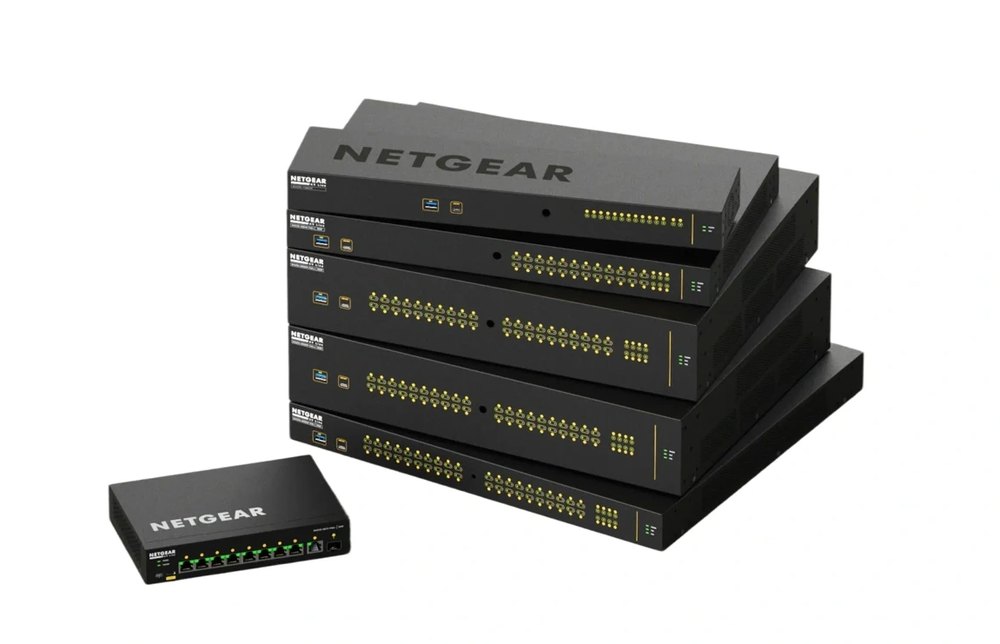
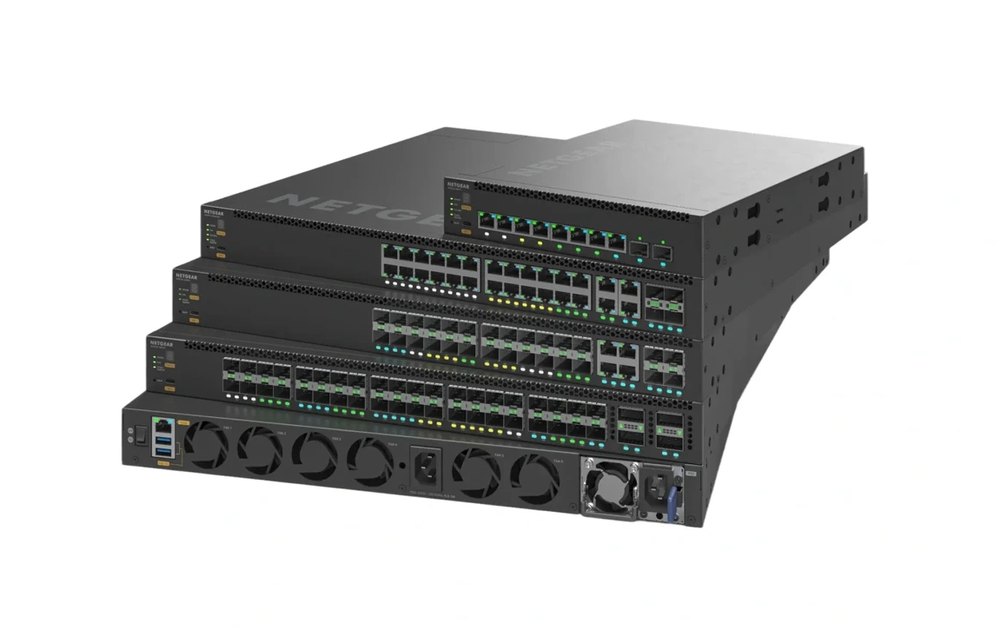
The media on it.
NDI, ST 2110, and Dante can share a properly engineered network, or run segmented where bandwidth, timing, or security calls for it.
Video, audio, tally and control over gigabit Ethernet. Full-bandwidth NDI and NDI HX need very different bandwidth, so the choice is made per source.
Broadcast-grade uncompressed IP for facilities that need the full standard.
Clocking, subscriptions, and primary and secondary redundancy set out in the design.
Signals through the building on Ethernet instead of a wall of point-to-point cable.
The configuration layer that makes one-to-many video work without overwhelming the switch.
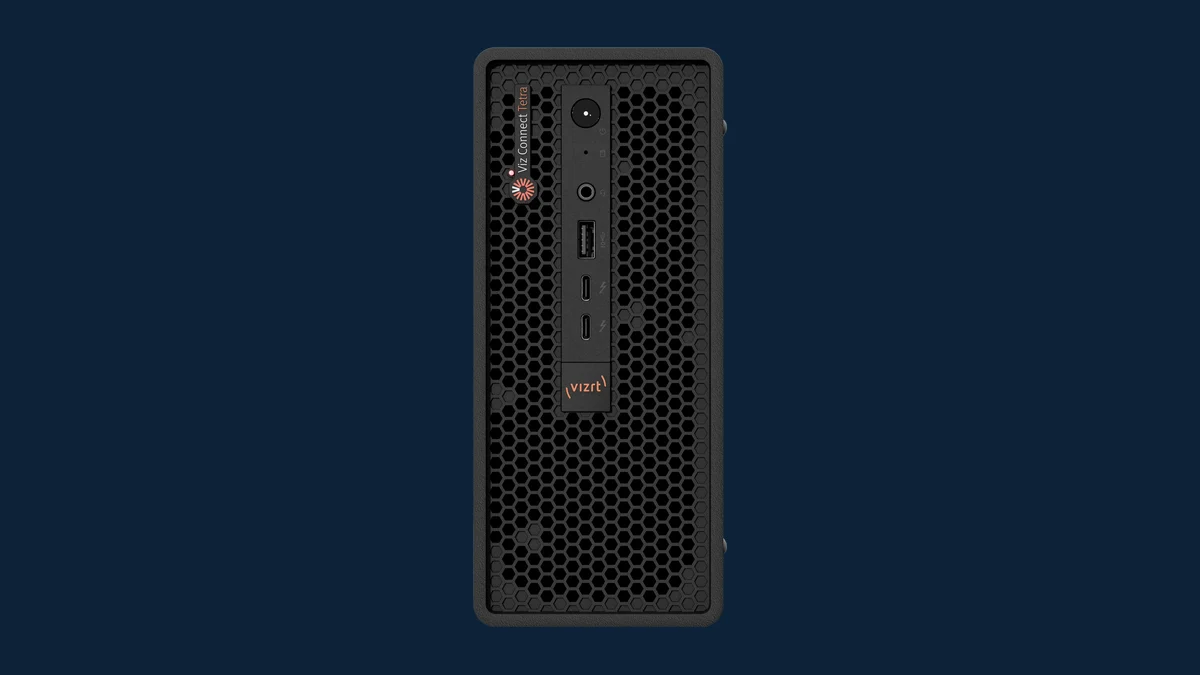
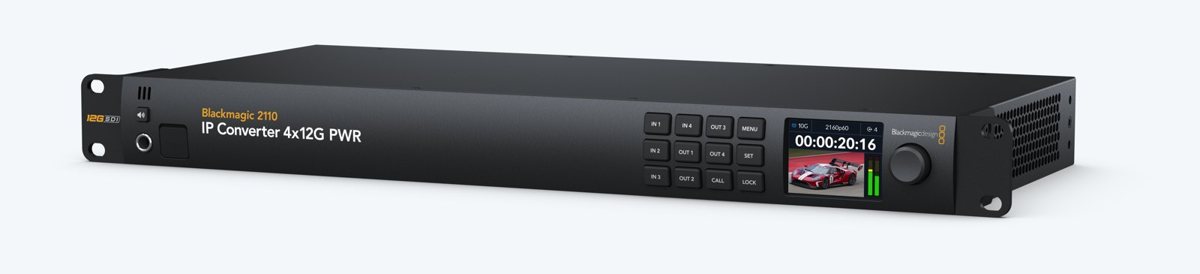
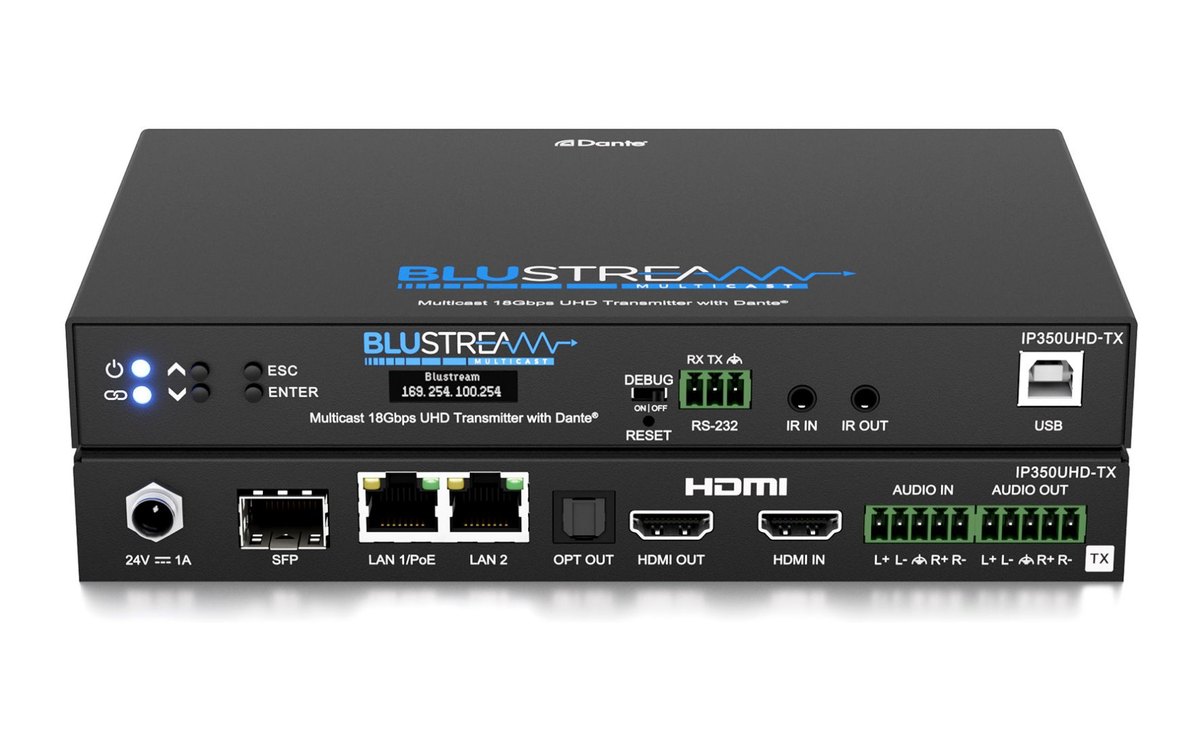
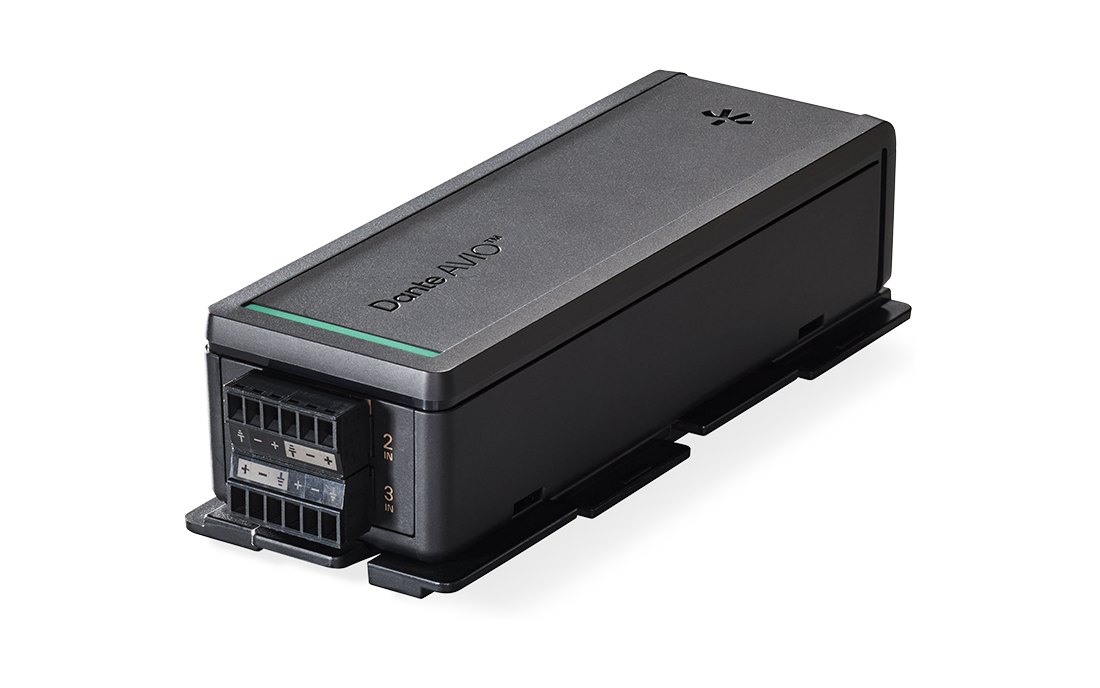
Getting signals onto the network
Beyond the rack room.
The pieces that connect rooms, sites, and the people who operate them.
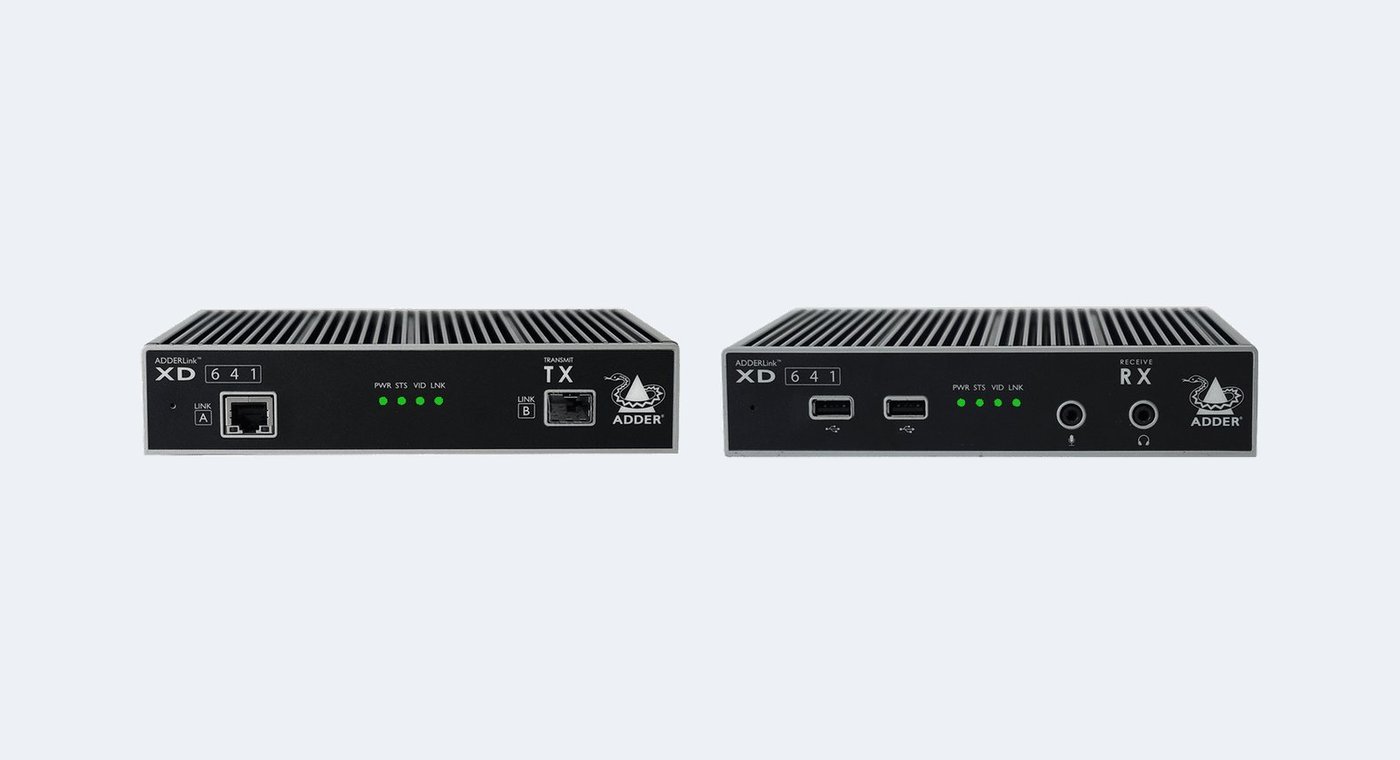
Operate machines in the rack room from positions where people sit.
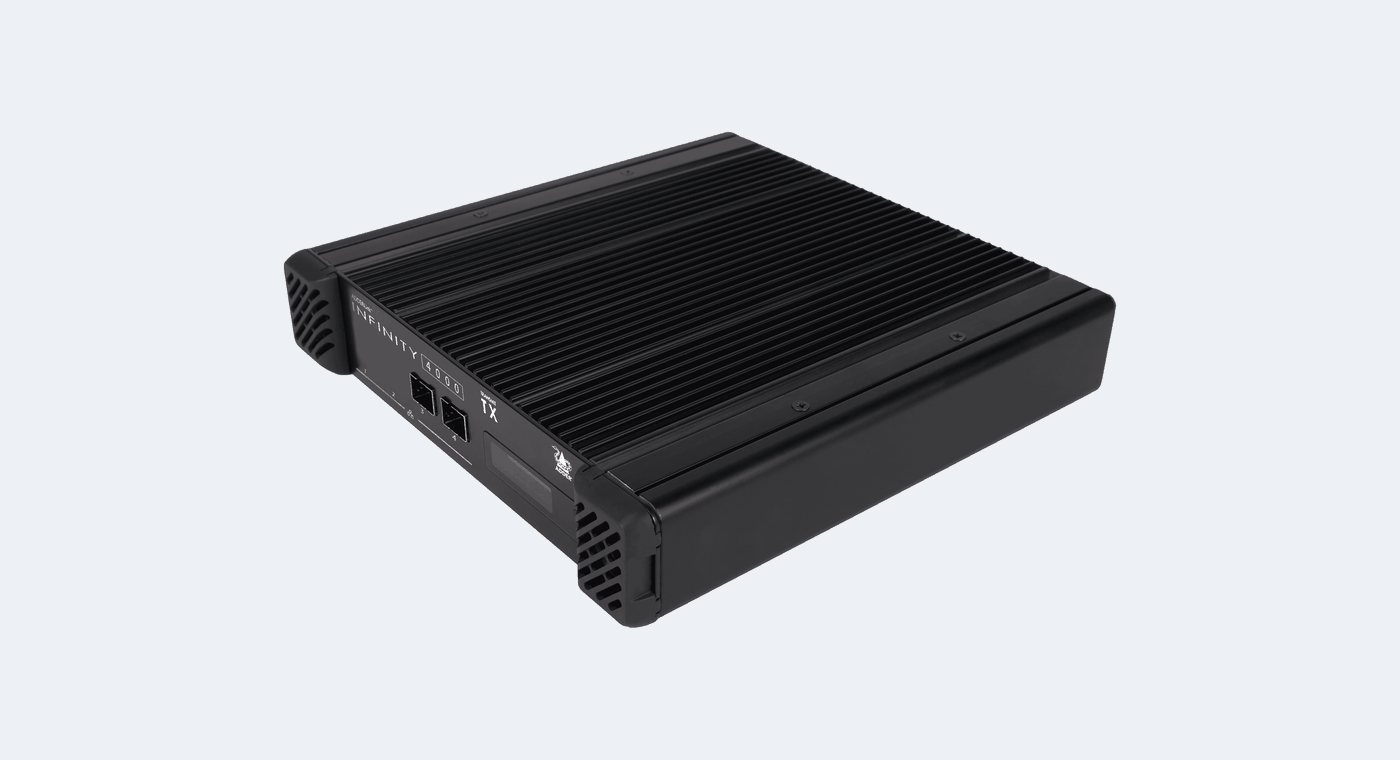
Resilient wide-area paths for sites, trucks, and remote production.
Central storage fast enough to edit from and shared by the whole team.
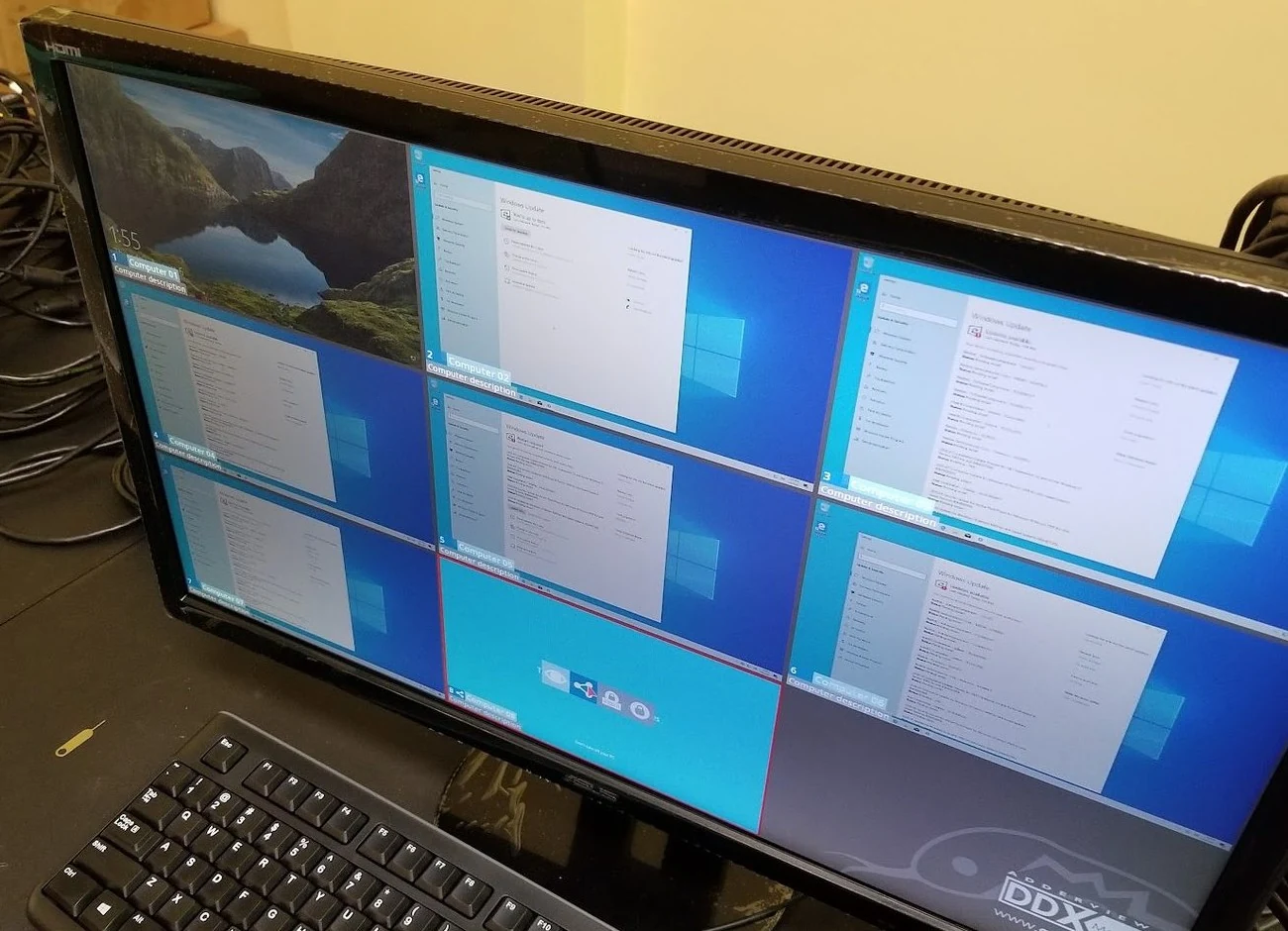
KVM, wide-area links and storage

Wiring a gym for game day.
One way to wire a gym: single-mode fiber from courtside positions to the control room, AJA 12G fiber transport with KUMO routing, and NETGEAR M4250 switching for the IP side, so game-day production connects to fixed ports instead of taping down cable.
What network owners ask.
Q·01Can this run on our existing IT network?
Sometimes. Media traffic has different rules than office traffic; the usual answer is a dedicated or logically separated network that IT and production can both live with.
Q·02NDI or ST 2110 for us?
They solve different problems at different budgets. NDI covers most production, education, and municipal workflows; 2110 is for facilities with broadcast-grade timing and scale requirements. The answer comes from your source count, formats, and growth plan.
Q·03Who supports the network after install: our IT or you?
Whichever you choose, with documentation either way. We hand over labeled, documented systems and can hold the support contract, back your IT team, or train them to own it.
Q·04What switches do we actually need?
Media-ready ones, configured as such: managed switches with the multicast, quality-of-service, and timing features live production leans on, sized with headroom instead of at the limit. The features matter more than the logo, and the configuration matters more than either. That's the work.
Q·05Can we move to IP in phases, or is it all or nothing?
Phases, almost always. IP and traditional signal paths coexist happily when the design plans for it, so a router here and a network core there can each pay their way. We design the end state first, then stage it, so nothing you buy this year fights next year's step.
Q·06What is PTP, and do we need it?
It's the clock every device on a media network agrees to follow, and whether you need it depends on what rides the network. Uncompressed broadcast IP demands it; plenty of production networks live without it. We design the timing and test it at commissioning.
The right equipment, chosen with you.
Already know what you need? Get a quote on any of it Browse brands
plus Viz Connect · Blackmagic Design 2110 IP converters · Belden and Canare cable, and other lines on request