Network-grade graphics.
On your stage.
Real-time graphics, augmented reality and virtual sets, designed, installed and commissioned by Varto, from a one-channel scoreboard to a tracked virtual studio.
The graphics your audience reads all show.
Three kinds of system do this work: titling software a small crew runs, template-driven broadcast graphics, and data-driven graphics that update from the feed.
Graphics rendered live as the show happens, driven by an operator or by data.
Lower thirds, names, titles and full-screen graphics built once as templates, then filled and recalled each show.
Bugs, snipes and crawls that stay on air across programs, with the text changed from a playlist or a feed.
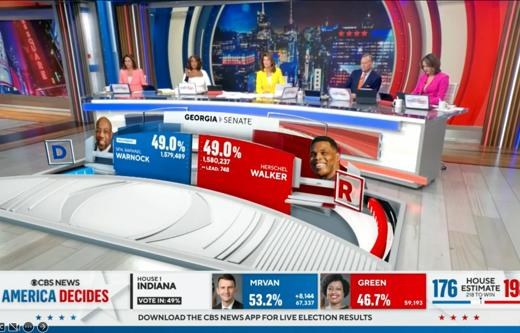
Scores, election numbers, finance, weather: live data in, finished graphics out.
Graphics systems
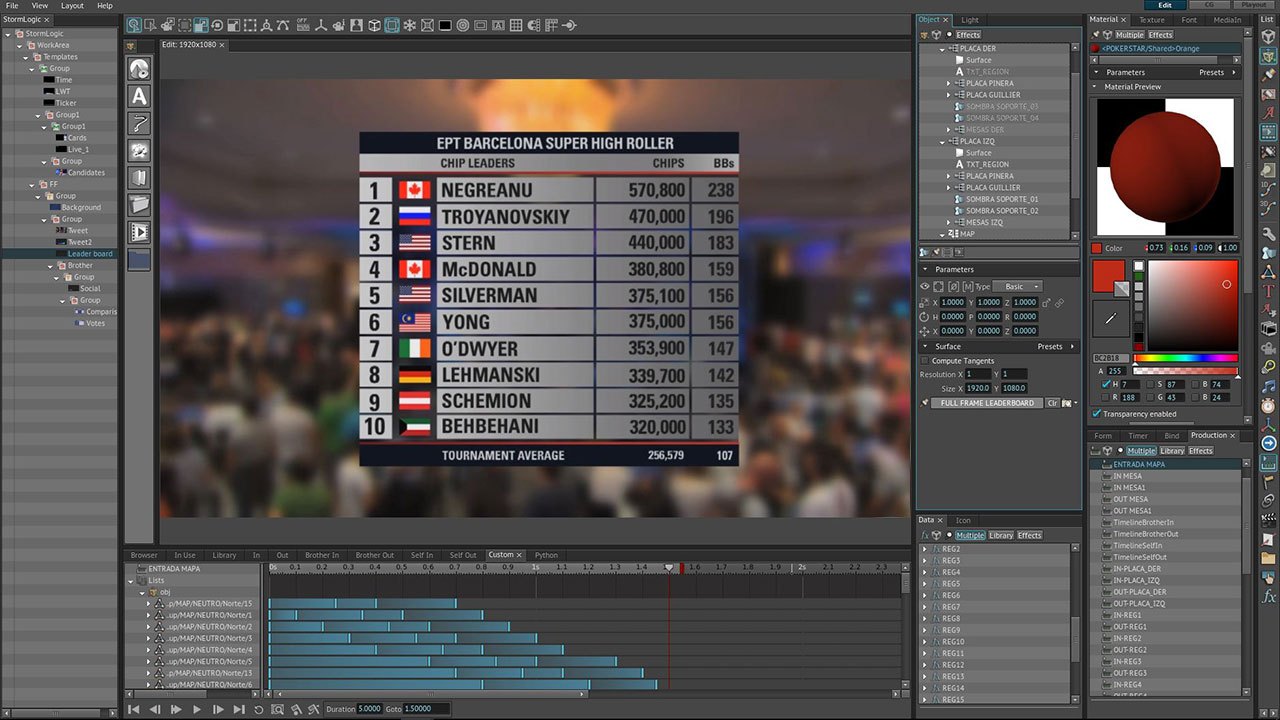
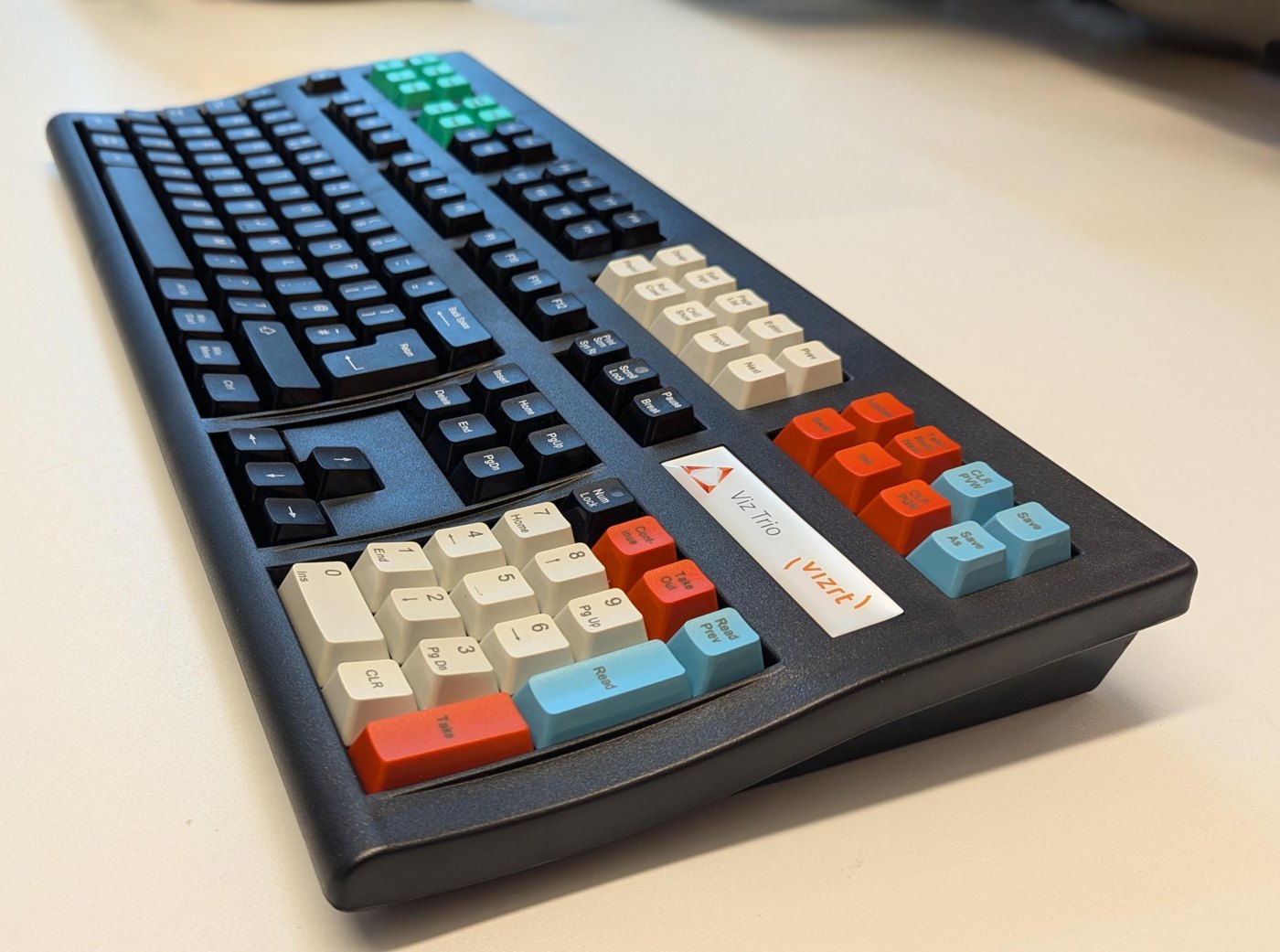
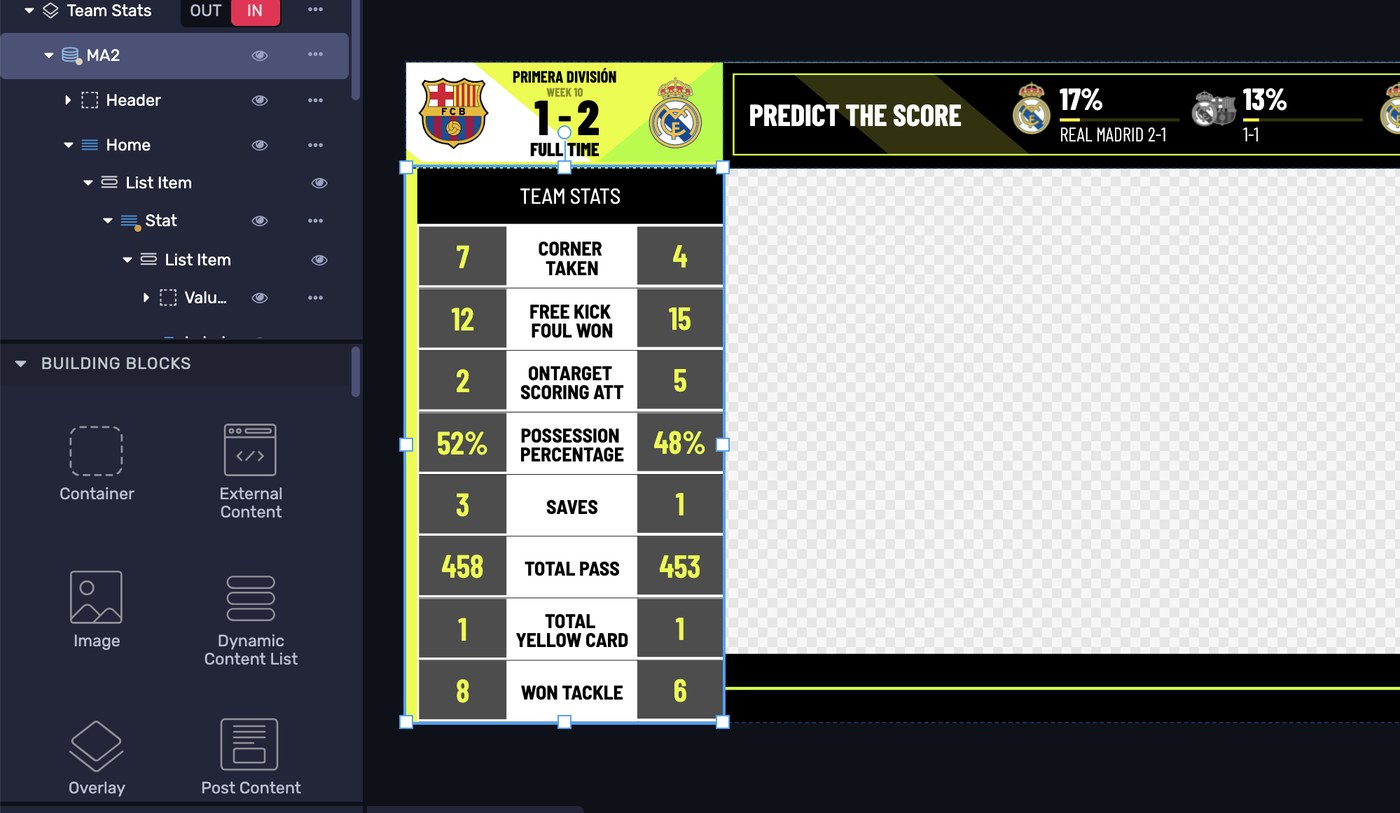
The operator, the renderer and the browser.
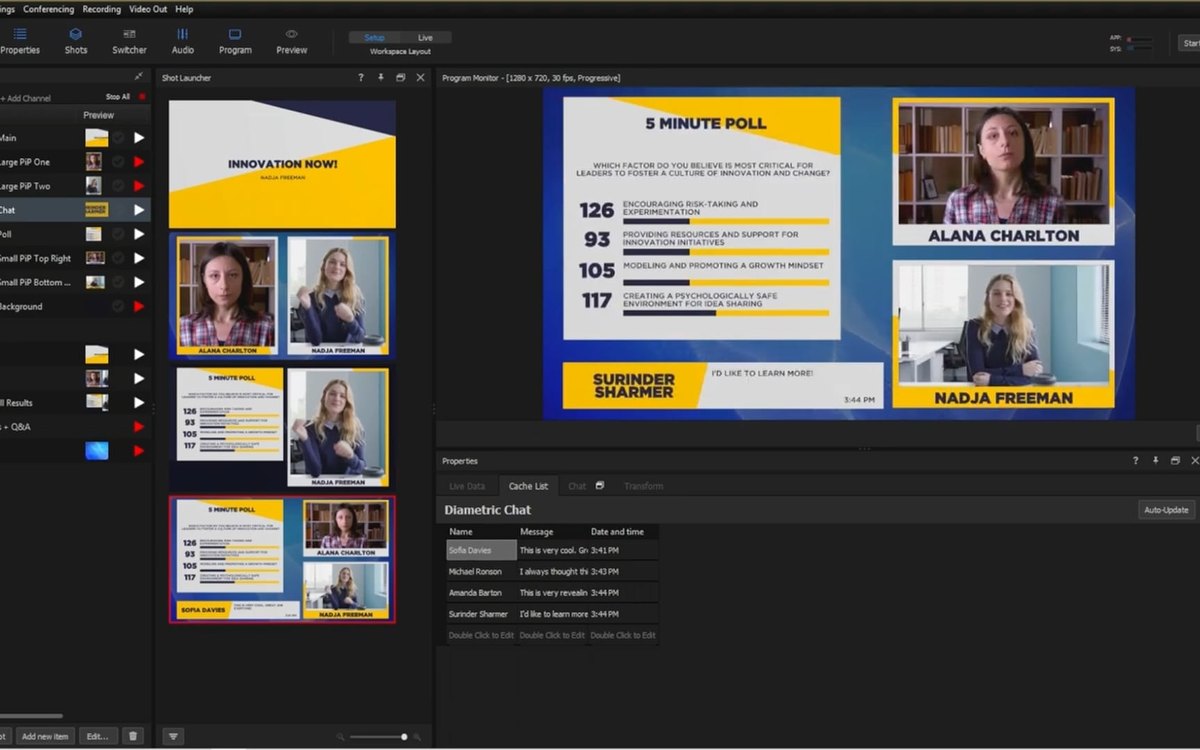
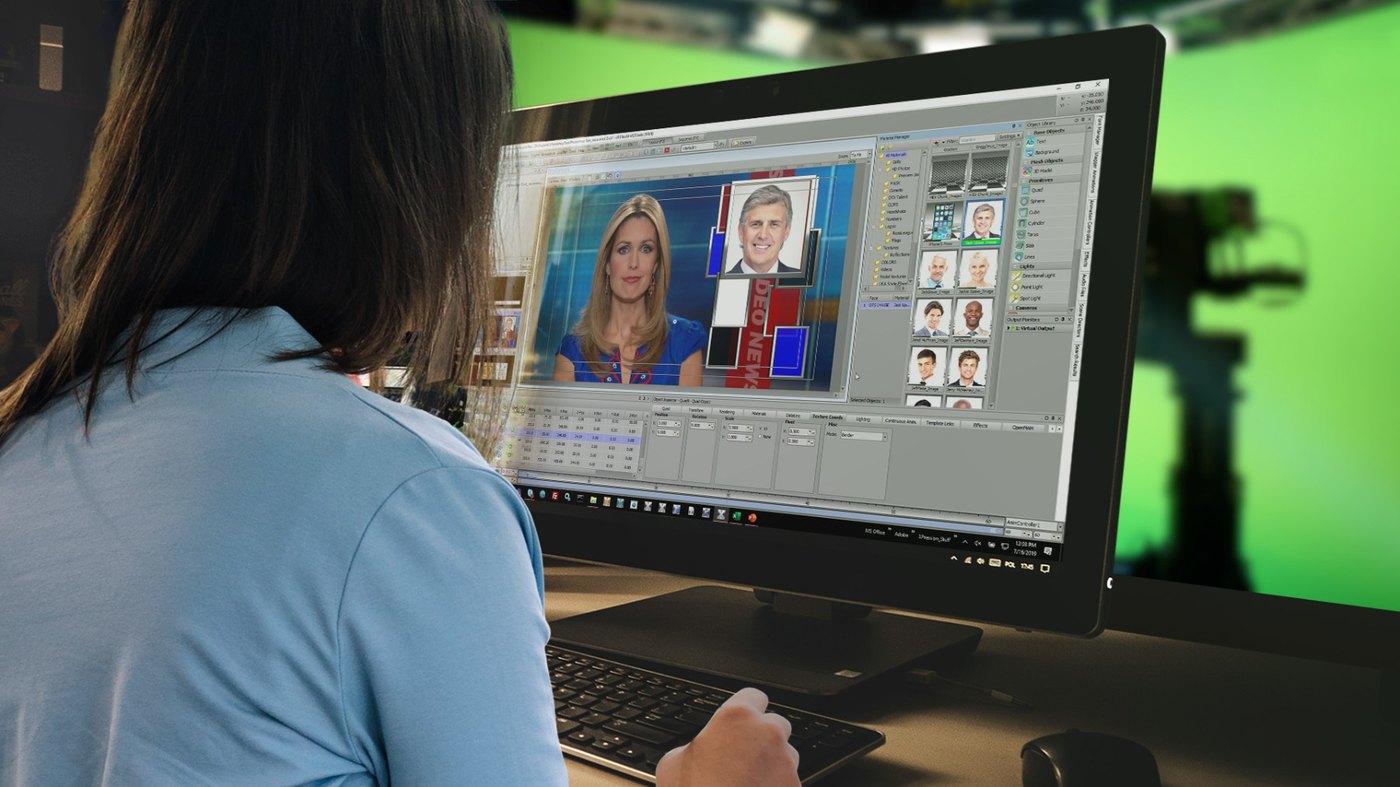
Vizrt sells two different ways to put graphics on air. Viz Trio and Viz Engine are a pair: one is the operator's tool, the other draws the frames. Viz Flowics is built and run in a web browser and reaches the show by another route.
Viz Trio with Viz Engine, or Viz Flowics
| Consideration | Viz Trio with Viz Engine | Viz Flowics |
|---|---|---|
| Who works it | A graphics operator prepares pages from templates, updates text and data, and takes them to air from a playlist, by hand or on automation cues. | Designers and operators work in a web browser: build the graphic, then run it from a rundown with live controls, from the control room or anywhere else. |
| What draws the picture | Viz Engine renders and composites in real time. Trio cues it; it does not render on its own. | The graphics are HTML5 pages, drawn by whatever loads the output URL: a TriCaster, a production system with a browser source, or Viz Engine 5.4 and later. |
| Into the switcher | Viz Engine outputs SDI, SMPTE ST 2110 or NDI. A TriCaster picks up its NDI fill and key as a graphics source and can fire Trio from macros. | TriCaster Live Link, a browser source in OBS or Wirecast, or an NDI stream from Vizrt's Flowics NDI Converter app. An SDI room plays it out through one of those systems or a Viz Engine. |
| Live data | Viz Datacenter feeds live values into the templates, such as sports stats, finance and election results, without scripting. | JSON and RSS feeds, Google Sheets, curated social media posts and native connectors to more than 80 data providers. The data service itself is licensed from its provider. |
| Newsroom rundowns | Trio works with newsroom systems, and Viz Mosart can fire its graphics from the rundown. | MOS support lets producers place Flowics graphics in the newsroom rundown. |
| How it is bought | Trio needs an Engine to render. Trio Go puts both on one workstation by subscription, with up to two 1080p60 outputs over NDI; larger systems pair Trio with Engines specified for the outputs they feed. | By subscription. TriCaster Vizion includes a Flowics Basic plan with four users and one output. |
A trained graphics operator and SDI or 2110 outputs point toward Trio and Engine. A small crew working from a spreadsheet or a data feed into a TriCaster points toward Flowics. We check your switcher, outputs and data sources before recommending either.
Vizrt graphics
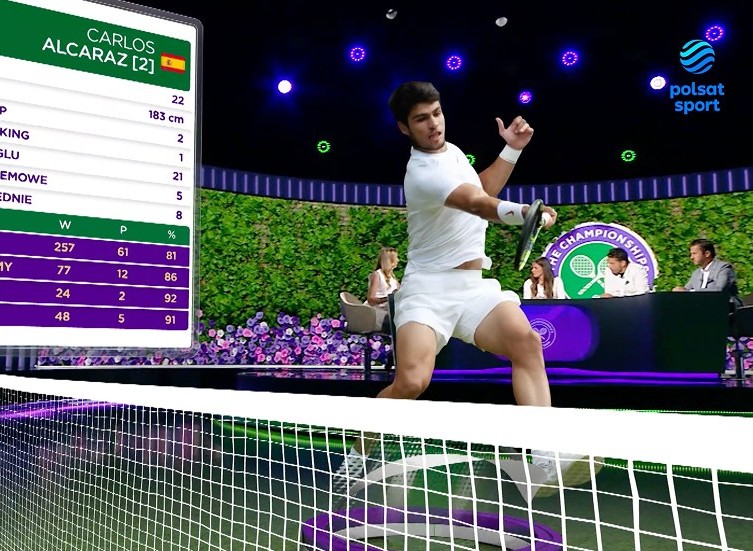

A network studio look from the room you already have.
A full studio look from a modest room, built for your cameras and lighting.
Virtual elements standing on your real set, convincing when tracking and lighting are designed together.
Render engines, camera tracking and content playback for productions shot against an LED wall.
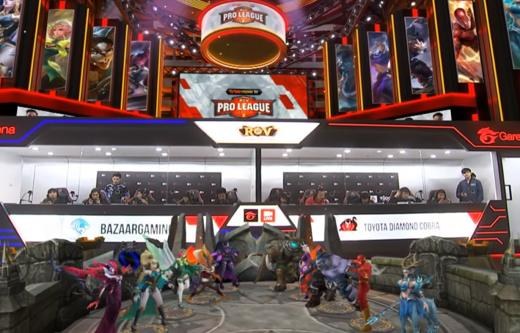
Virtual sets and XR
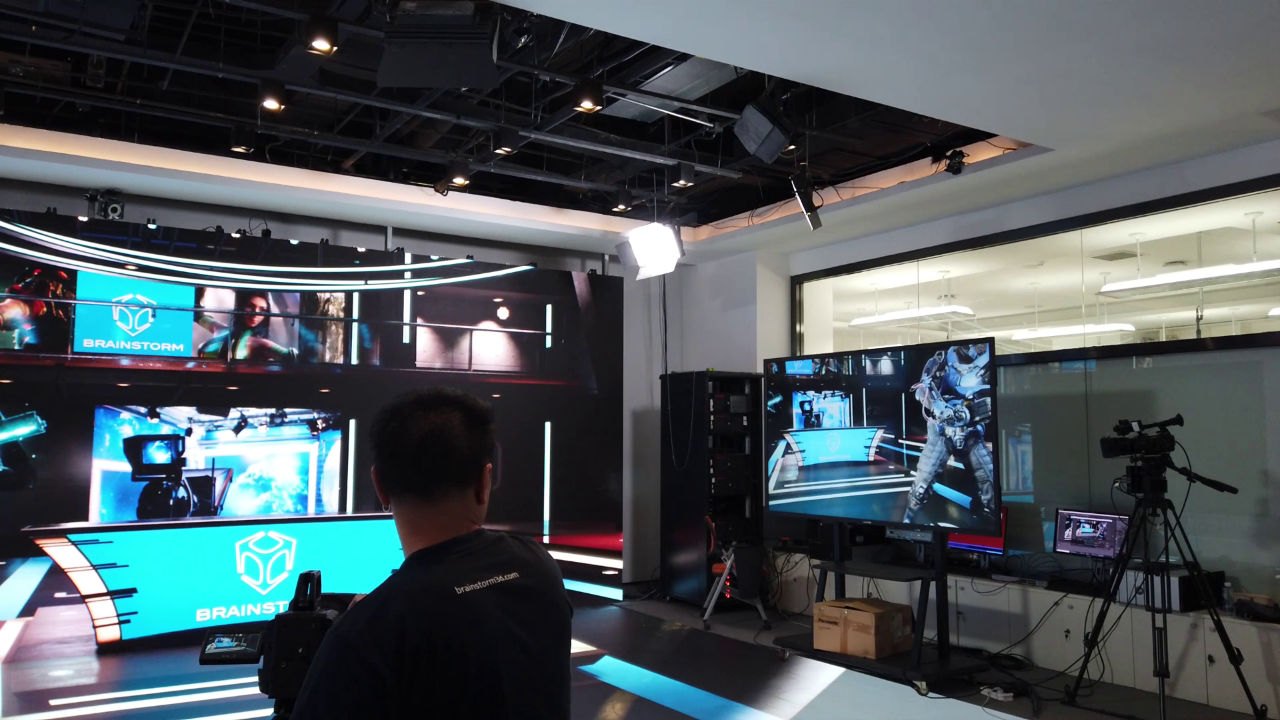

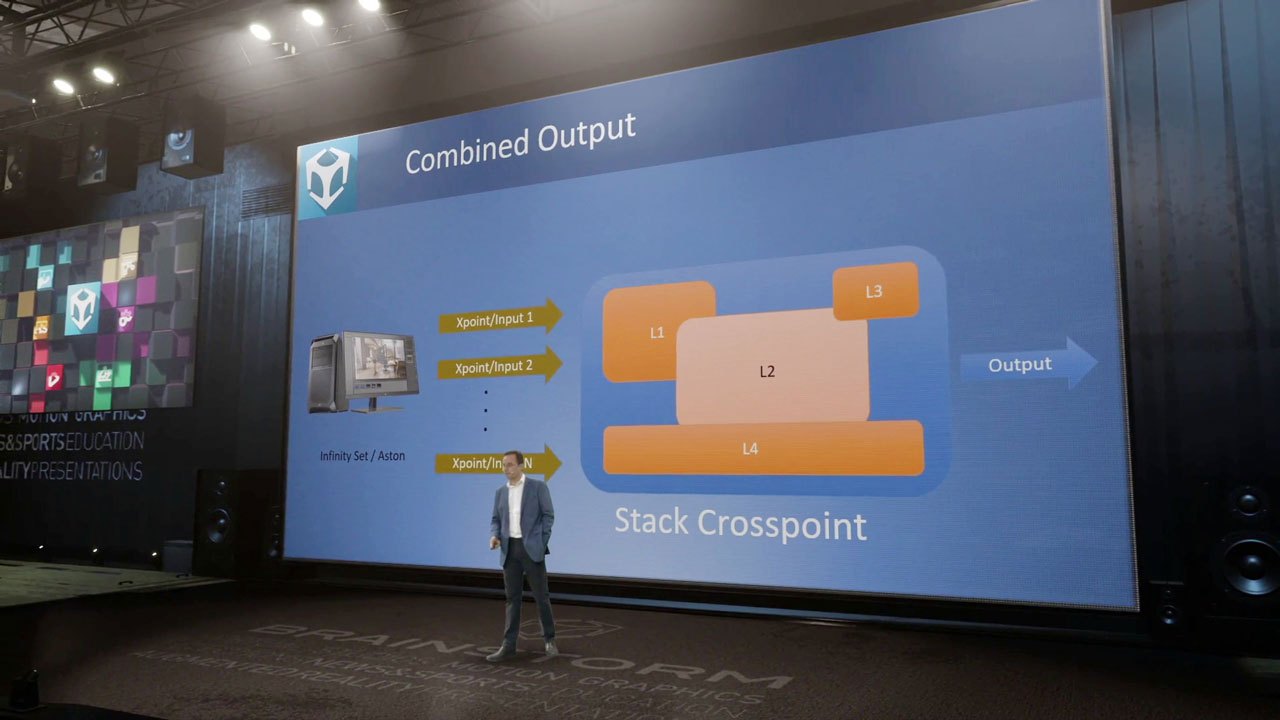

Templated graphics, fired live, three times a day.
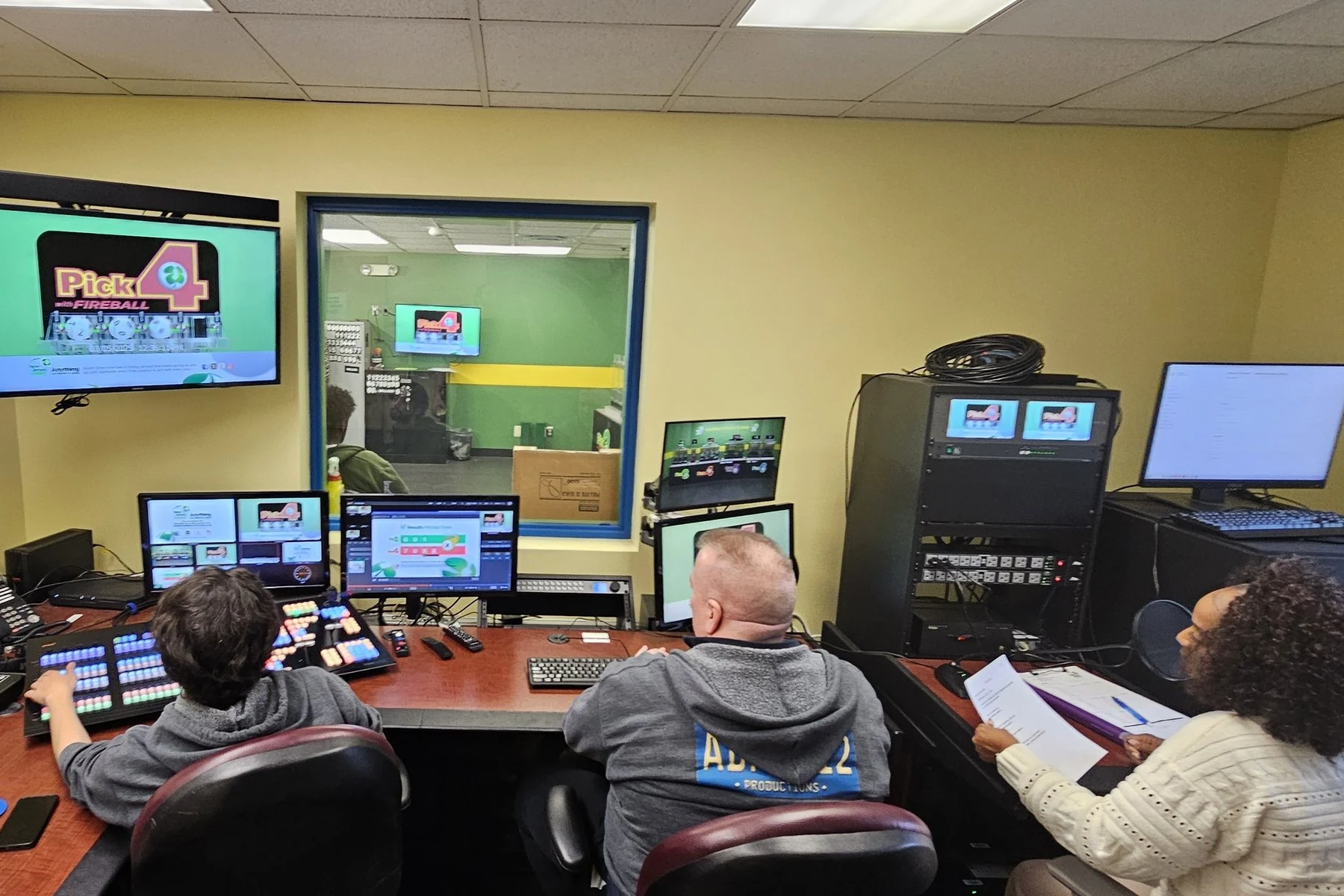
The New Jersey Lottery's on-air package runs on Flowics, commissioned by Varto. During each of the three live draws a day, operators fire pages prepared in advance instead of building them on air.
What graphics buyers ask.
Q·01Do we need a dedicated graphics operator?
Not necessarily. Template-driven systems let producers fill in text and operators fire pages, with the complicated work done once at design time. Where a show does need an operator, we train them on your actual package.
Q·02Will this work with the switcher and cameras we already own?
Usually. Graphics systems are built to sit in an existing chain; the design work is making keys, timing, and control clean in your room. We verify against your gear list before anything is quoted.
Q·03Can we get a virtual set without a giant green-screen stage?
Yes. Modern virtual sets work in modest spaces with the right lighting, tracking, and camera plan. We stage a proof in the demo studio or your room before you commit.
Q·04What does a virtual studio cost?
The range is wide because the drivers are real: how many cameras, tracked or trackless, engine licensing, and whether the set is designed from scratch or adapted. A single-camera trackless corner and a multi-camera tracked stage are different projects. We scope both, and a demo usually settles which you need.
Q·05Will AR work with the cameras and tracking we have?
Often, yes. AR rides on camera tracking, and the options now run from sensors on the lens to fully trackless, so an existing camera plan is a starting point, not a blocker.
Q·06Who builds the graphics package itself, and can our team update it?
We commission the system and the starting package, templated so your producers change names, numbers, and data without a designer in the room. When you want a whole new look, that's a design pass, not a rebuild.
The right equipment, chosen with you.
Already know what you need? Get a quote on any of it Browse brands
plus Viz Arc · Viz Artist · NewBlue · Unreal Engine integration, and other lines on request