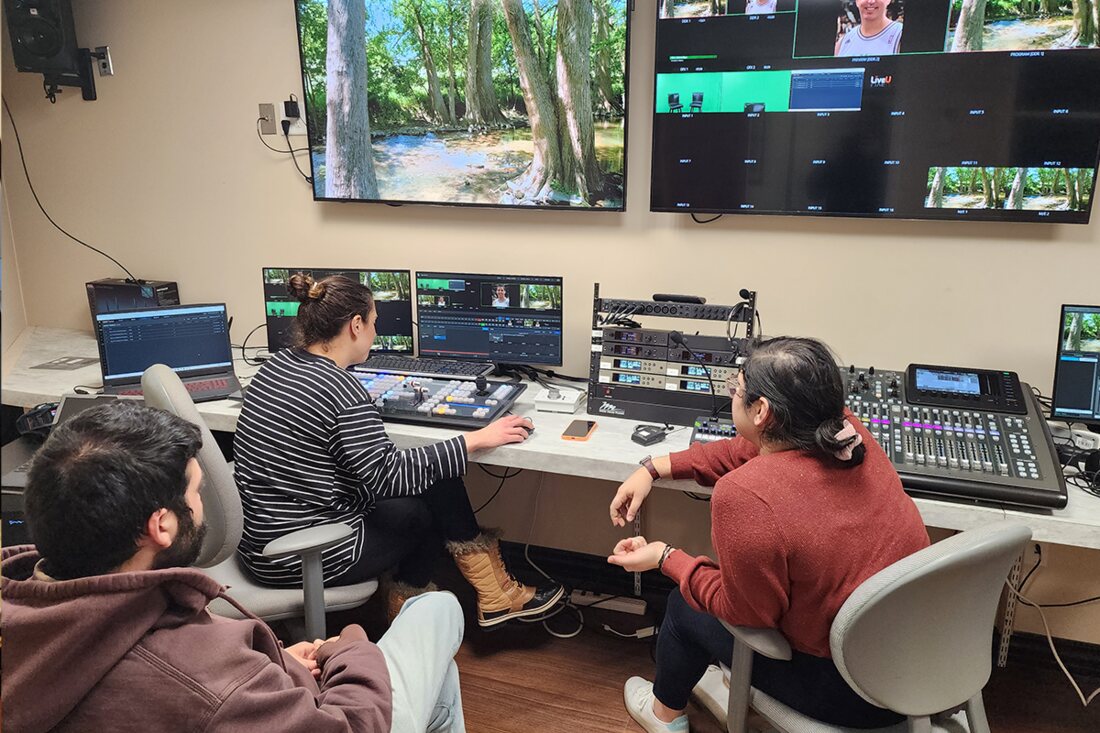
Live streams, planned from
the program to every destination.
Encoders, bonded cellular, and multi-destination delivery for live programs ranging from a weekly service to a nationally streamed event.
The signal out.
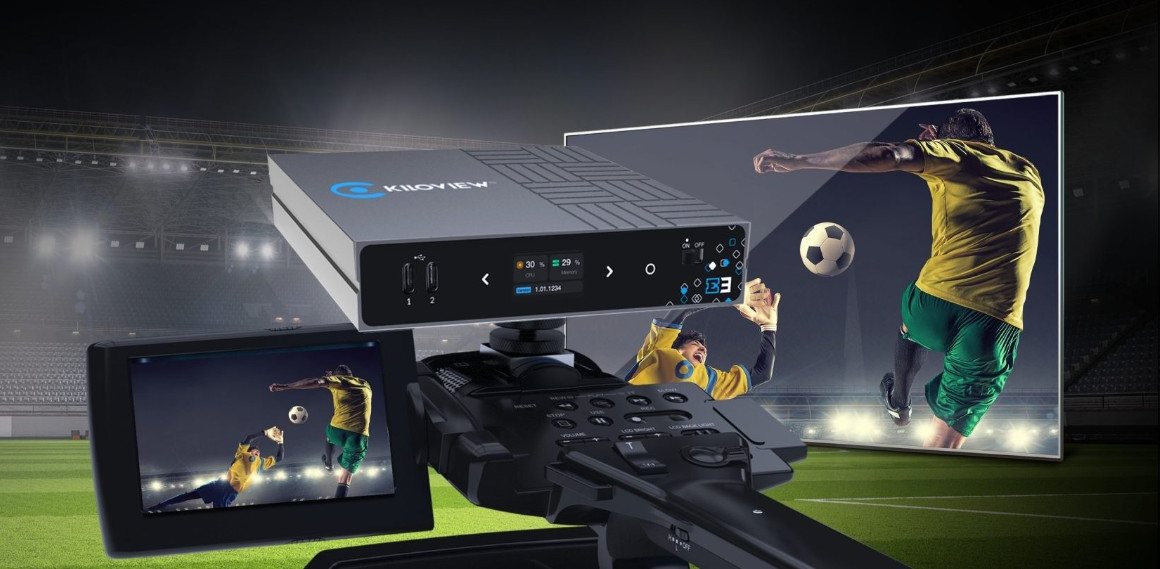
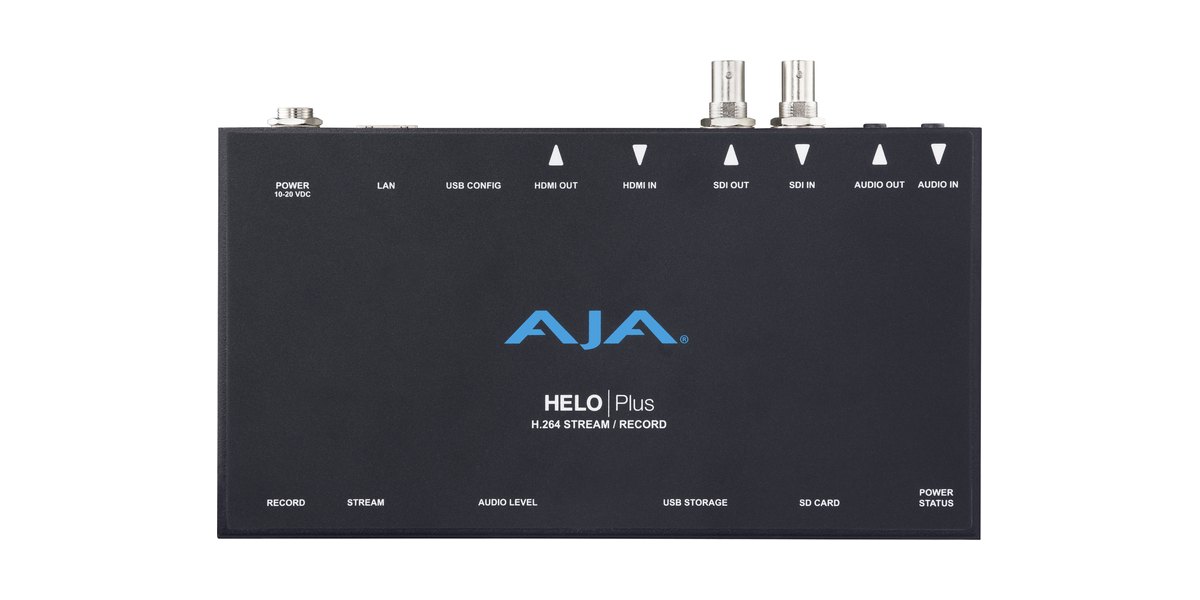
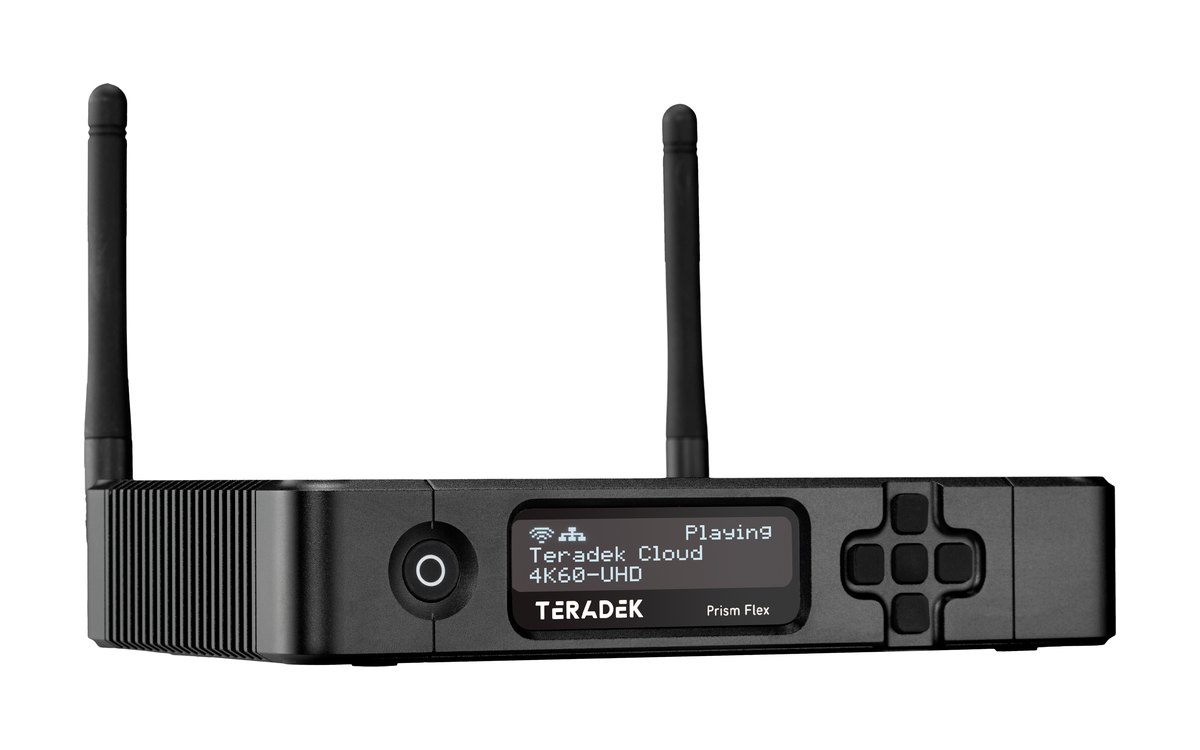
The box that turns your program into a stream: built into the production system, or a dedicated encoder when the program comes from elsewhere.
SRT for contribution paths that have to recover lost packets; RTMP where a platform only accepts it.
When the stream has to track the room: auctions, worship, watch-alongs, Q&A.
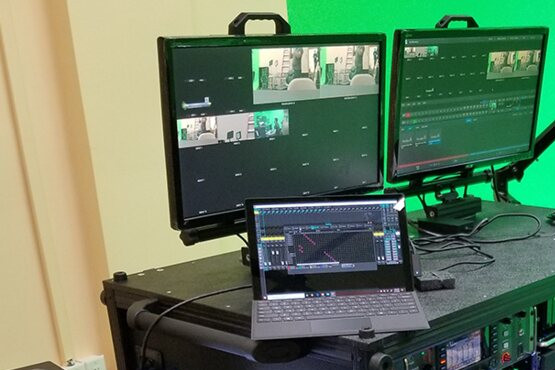
Production systems and encoders


The path.
Getting the program from the site to the platforms. Contribution, connectivity and delivery are different jobs, and usually different equipment.
Several cellular and wired links combined into one path when the venue's internet is missing or unreliable.
One stream out, fanned out to every platform in the cloud or at the encoder.
Delivery sized to your real audience, whether that's a town or the world.
Contribution and connectivity
The program.
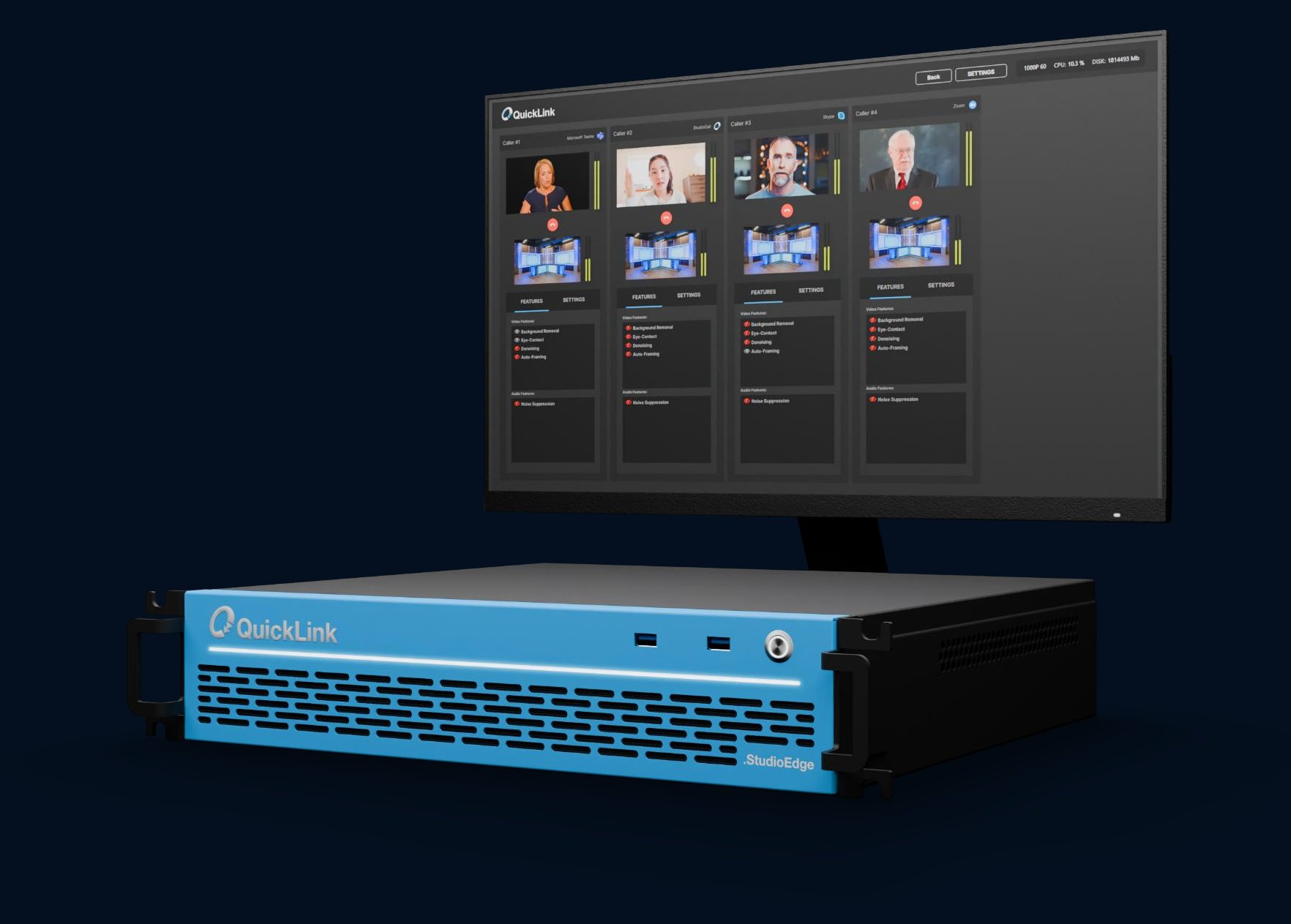
Callers from Zoom, Teams and Webex brought in as clean sources with their own talkback.
Live captions for accessibility and compliance, wired into the workflow.
Confidence views and alerts, so you know it's up without refreshing a phone.
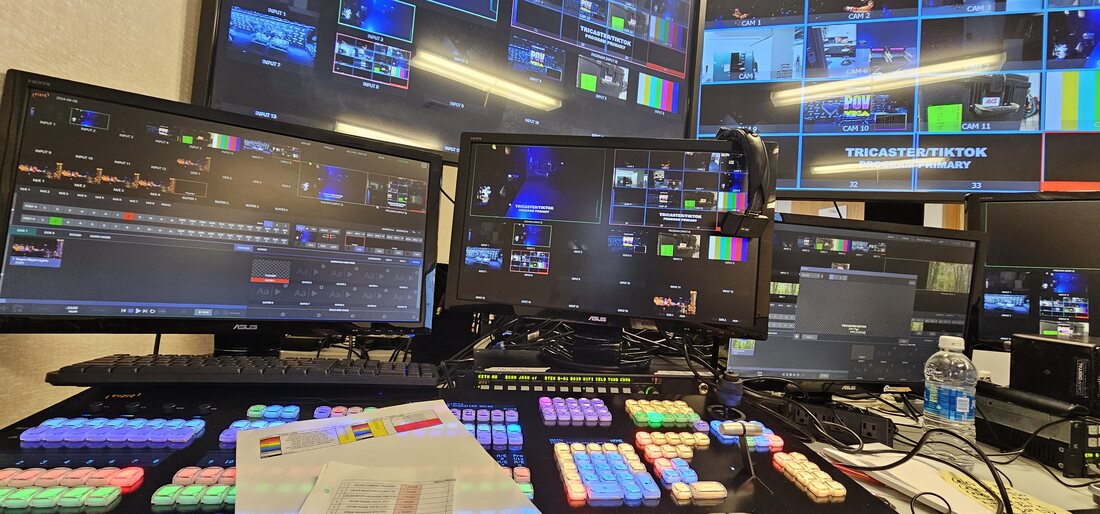
A nationally streamed charity benefit.
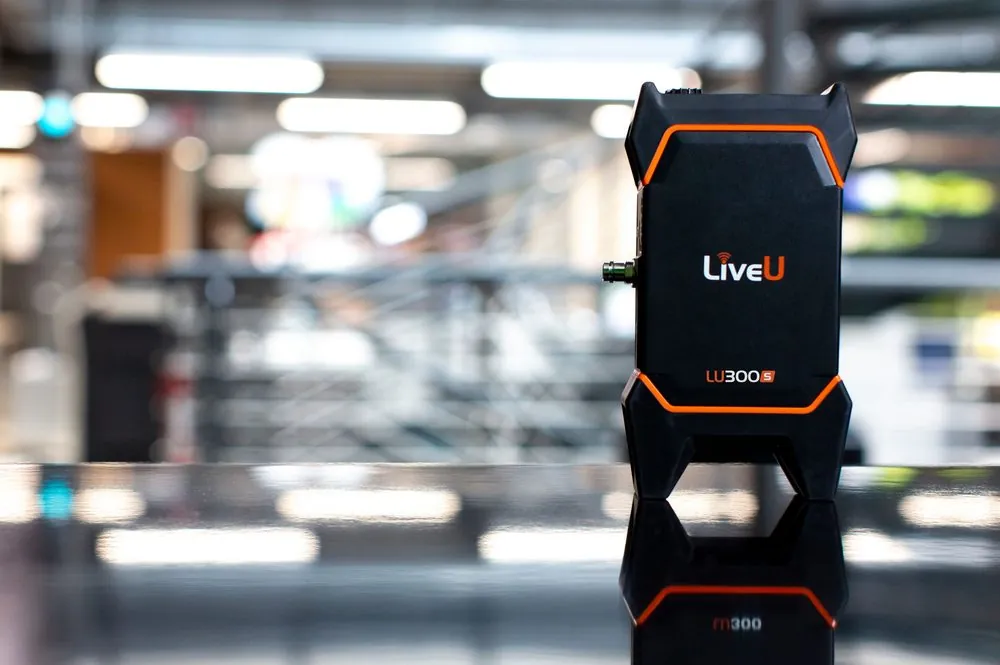
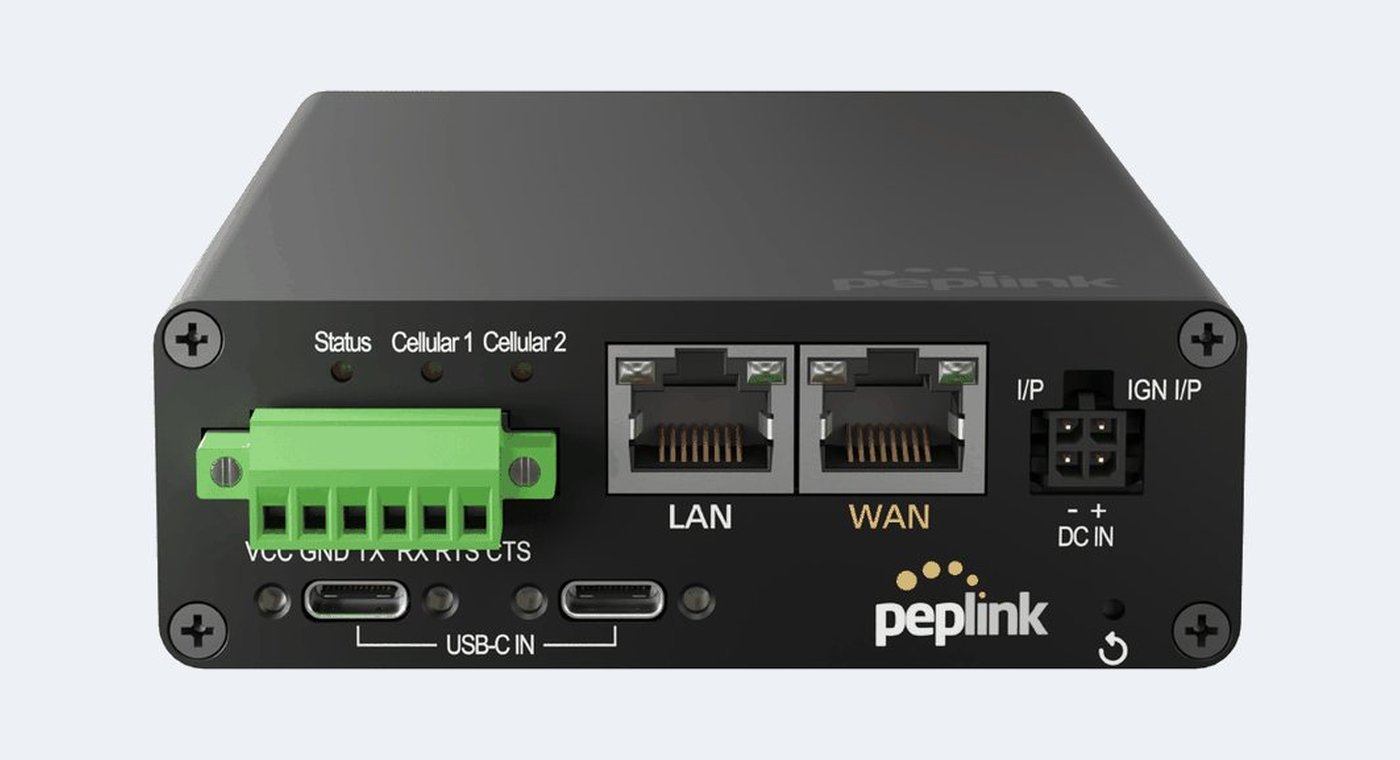
Varto supplied and operated the equipment for the stream: LiveU transmission, Restream multi-destination delivery and Peplink connectivity.
What stream owners ask.
Q·01Can we stream to several platforms at once?
Yes, that's standard now: one program feed, delivered everywhere you need it simultaneously. The design question is where the fan-out happens: in the cloud, or at the encoder.
Q·02What happens if our internet drops mid-stream?
With a second path, the stream can keep running when one connection fails. Plain failover moves new traffic to the other link and restarts the session; bonding keeps the session running across links. We plan which one the event needs.
Q·03Do our public meetings need captions?
For most government and public-institution streams, yes, and it's good practice everywhere else. We build live captioning into the chain rather than bolting it on.
Q·04Should our public meetings stream on a free platform or our own?
Each is a trade. Free platforms bring reach and zero hosting cost, but you don't control ads, recommendations, or permanence. Dedicated platforms cost money and give you archives, agenda links, and accessibility control. Many municipalities run both. We'll set up whichever mix your obligations and audience require.
Q·05What do the new accessibility rules require for streamed public meetings?
Federal accessibility requirements for government web content now cover live streams, captions included: communities of 50,000 or more must comply by April 26, 2027, and smaller communities and special districts by April 26, 2028. If your municipality streams meetings, this deserves attention now. We can help you work out which deadline applies to your community.
Q·06Can our staff run all this after you build it?
That's the goal of the design. Presets, one-button starts, and monitoring that says "you're live" in plain language turn a streaming system into a routine. We train the people who will run it.
The right equipment, chosen with you.
Already know what you need? Get a quote on any of it Browse brands
plus LiveU Studio, and other lines on request