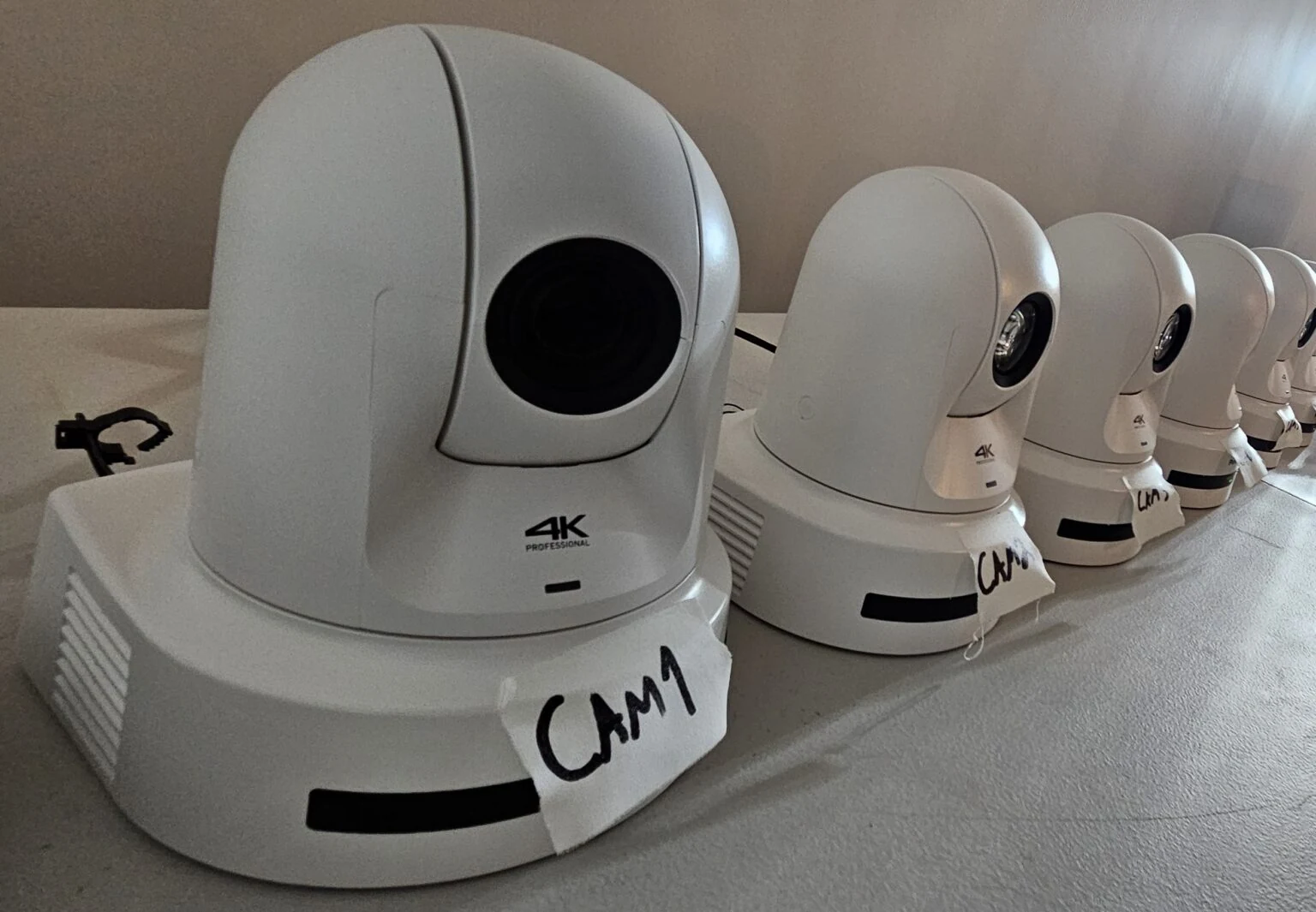
PTZ and robotic cameras, from one joystick to automated tracking.
PTZ fleets, auto-tracking and robotic motion control, specified for the room, installed and commissioned by Varto, with training and support available afterward, from one wall-mounted camera to an automated multi-camera workflow.
Many cameras under one operator's hands.
Mounted where crews can't stand.
Multi-camera PTZ deployments, ceiling, wall, or pole mounted, wired for power, control, and video.
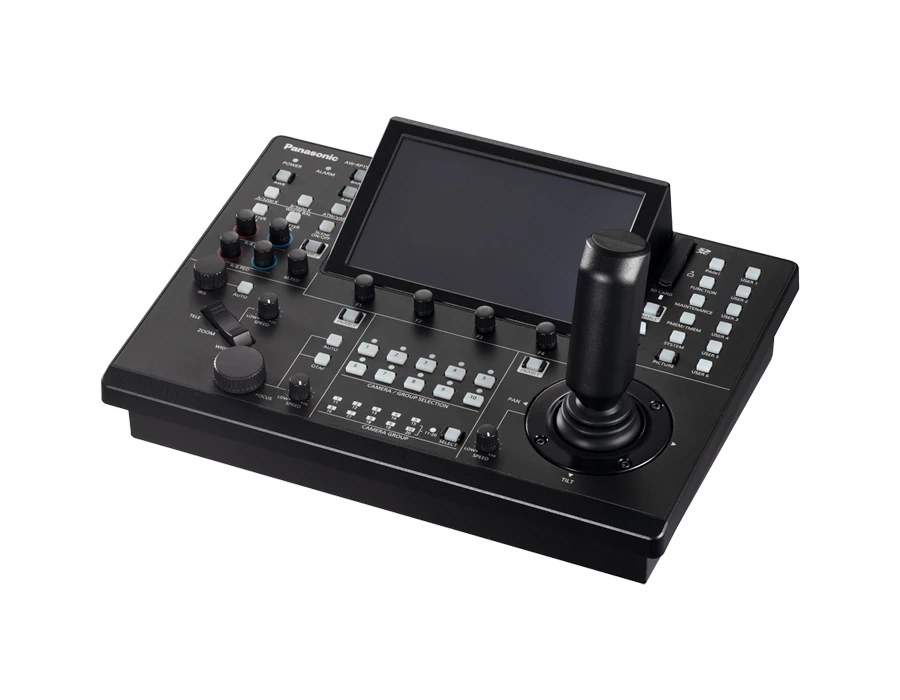
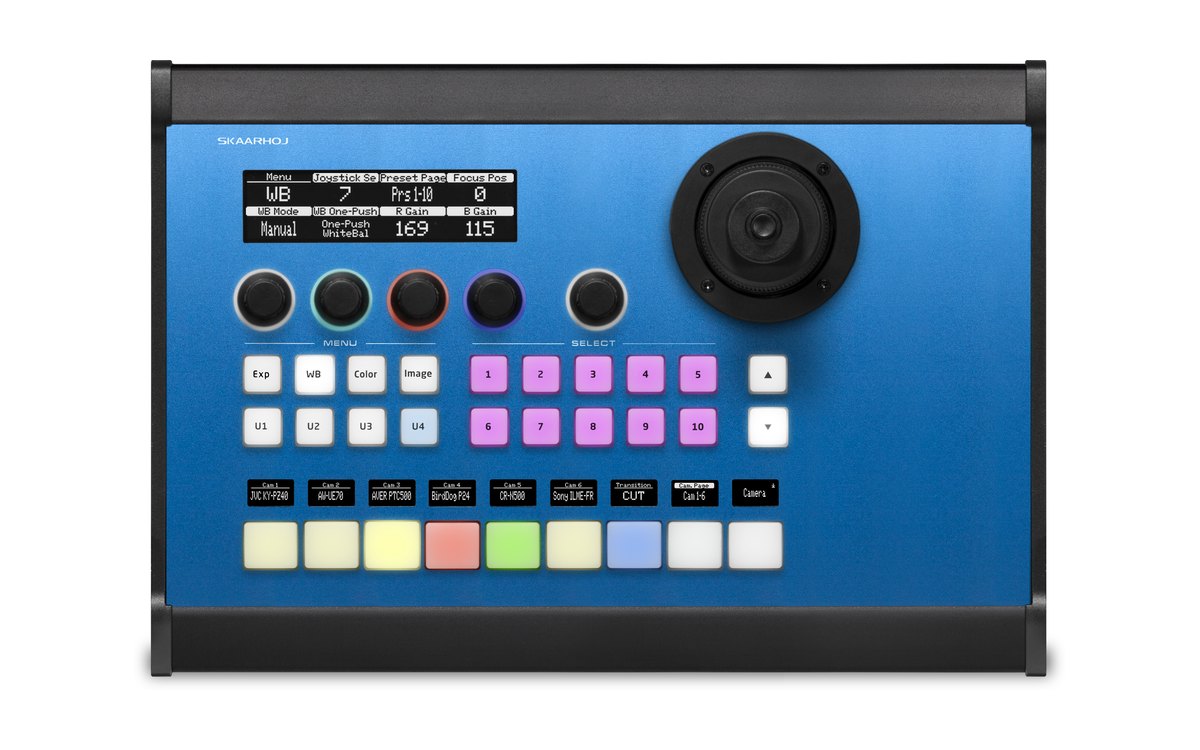
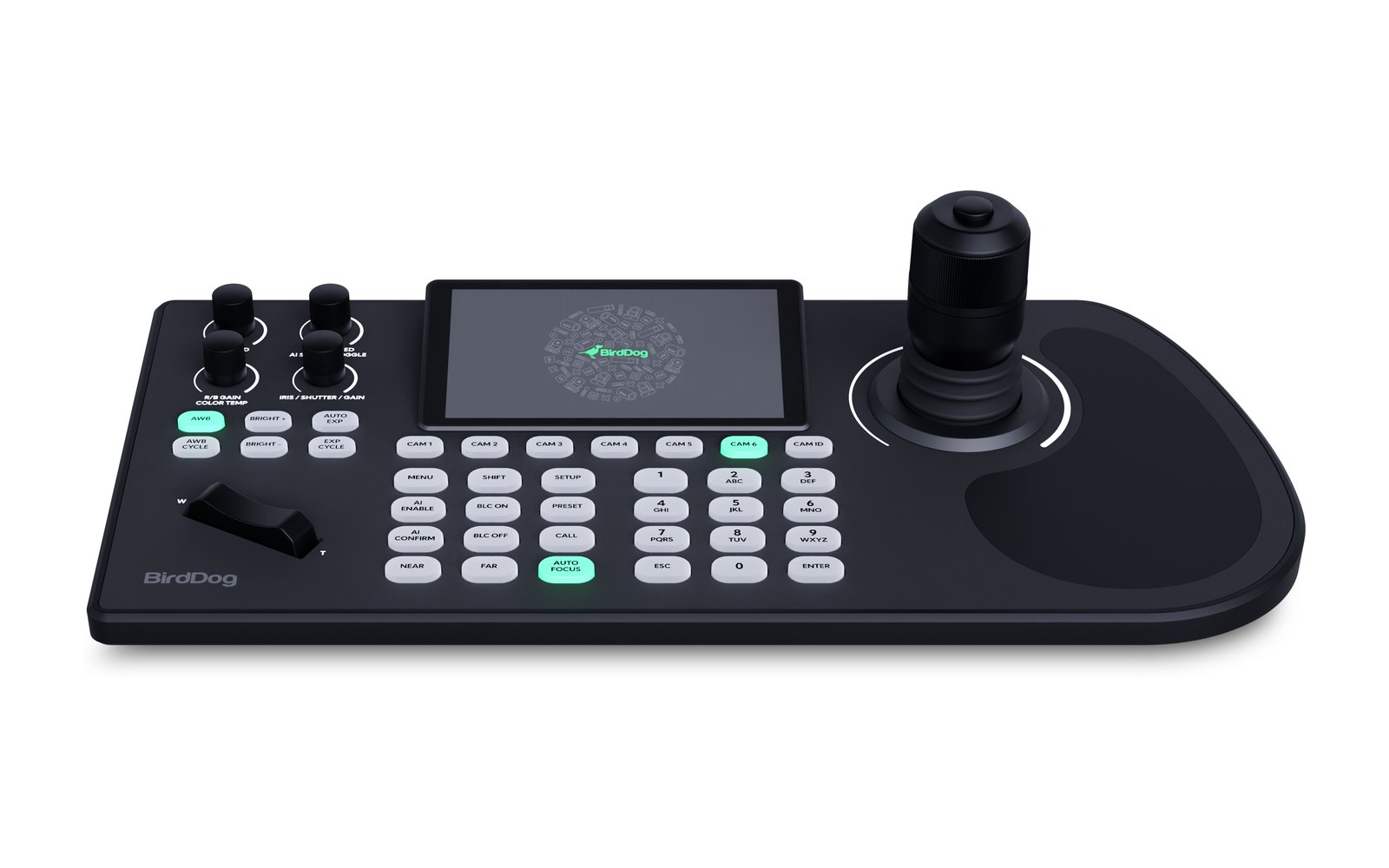
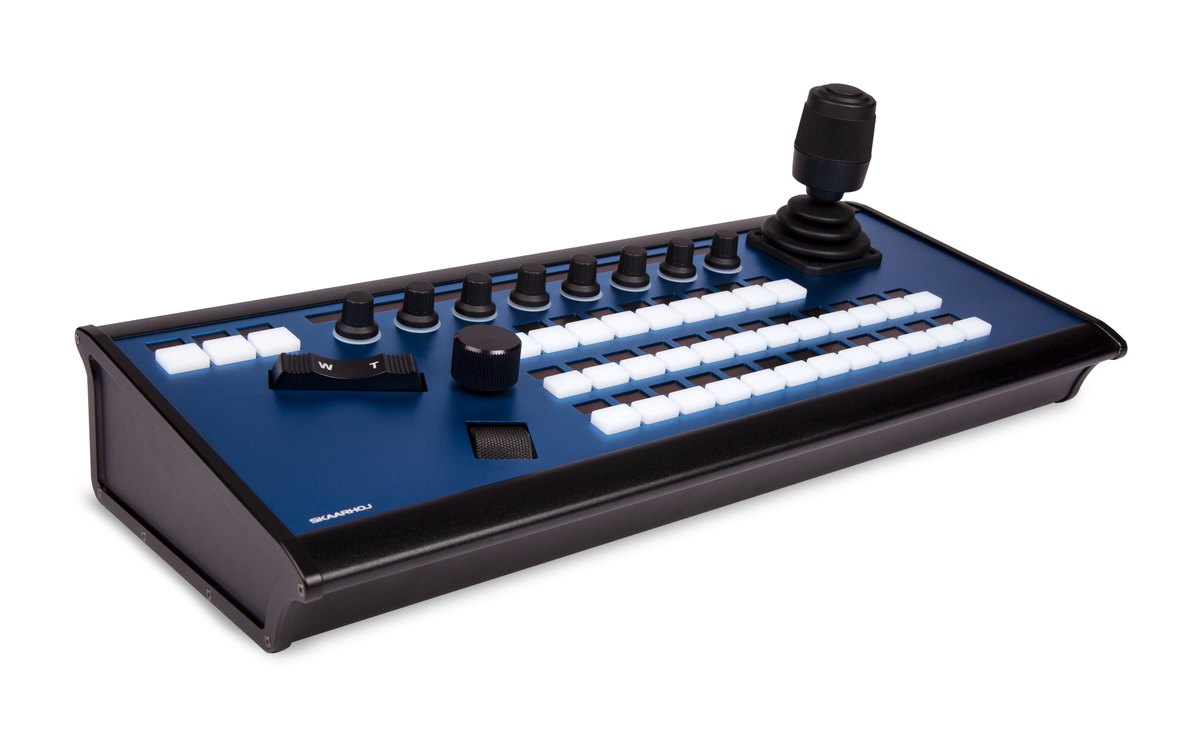
Hardware panels and software control for one operator running many cameras.
Stored shots and rundown-driven recall, so services and shows repeat cleanly.
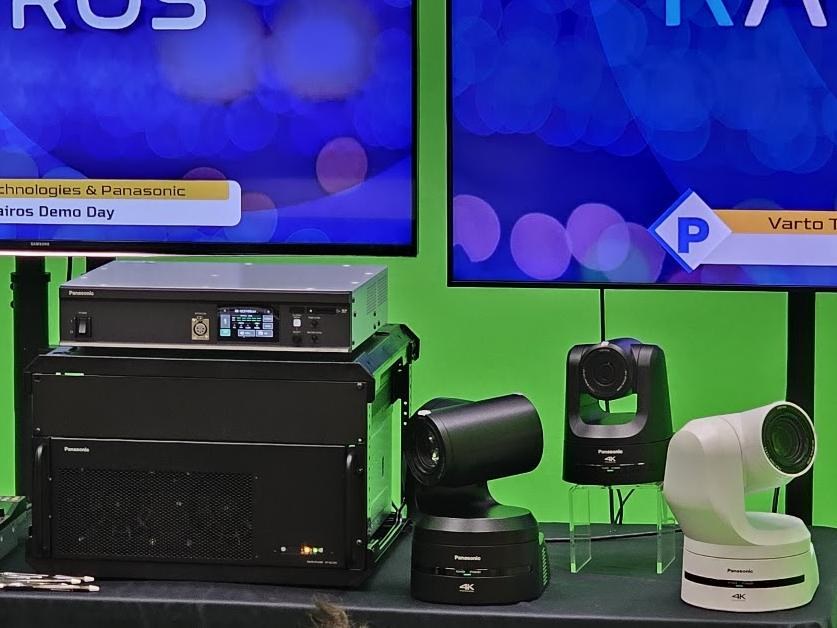
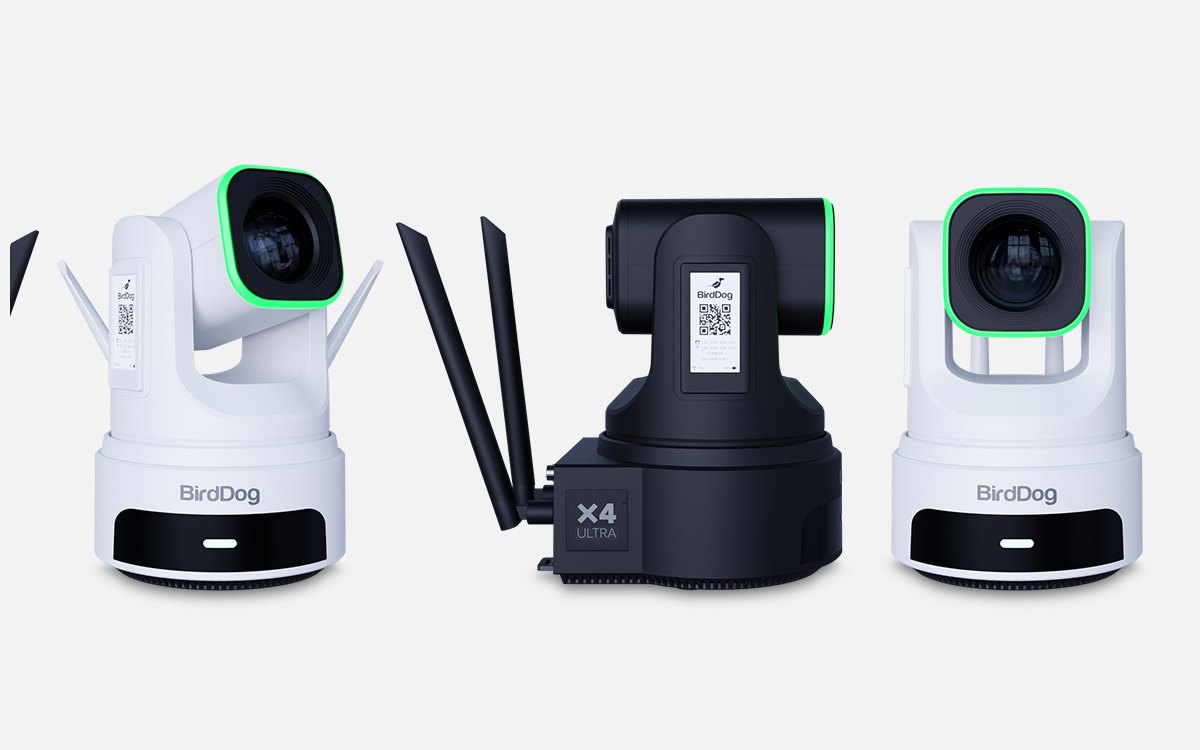
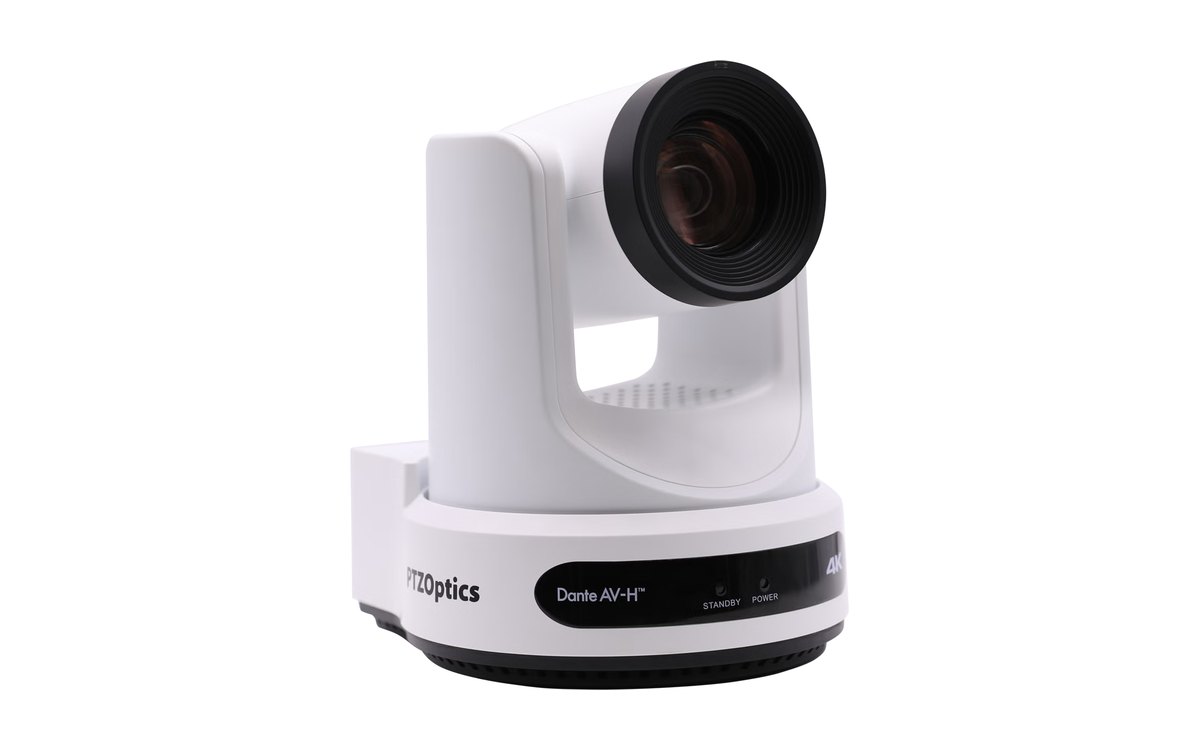
Cameras, by what they connect to

Controllers
Tracking, capture, and productions that run with fewer hands.
Presenter and subject tracking that holds the shot without a hand on a joystick.
Classroom and training-room automation that records without an operator.
Productions designed to run without camera operators; someone still sets the presets and watches the output.
Tracking and capture
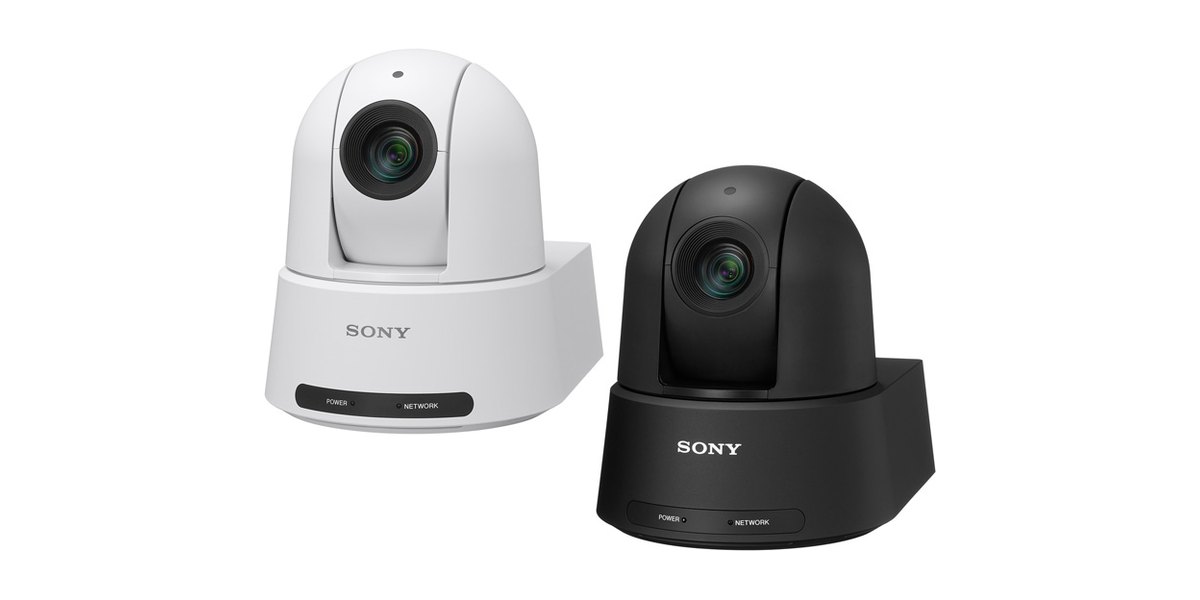
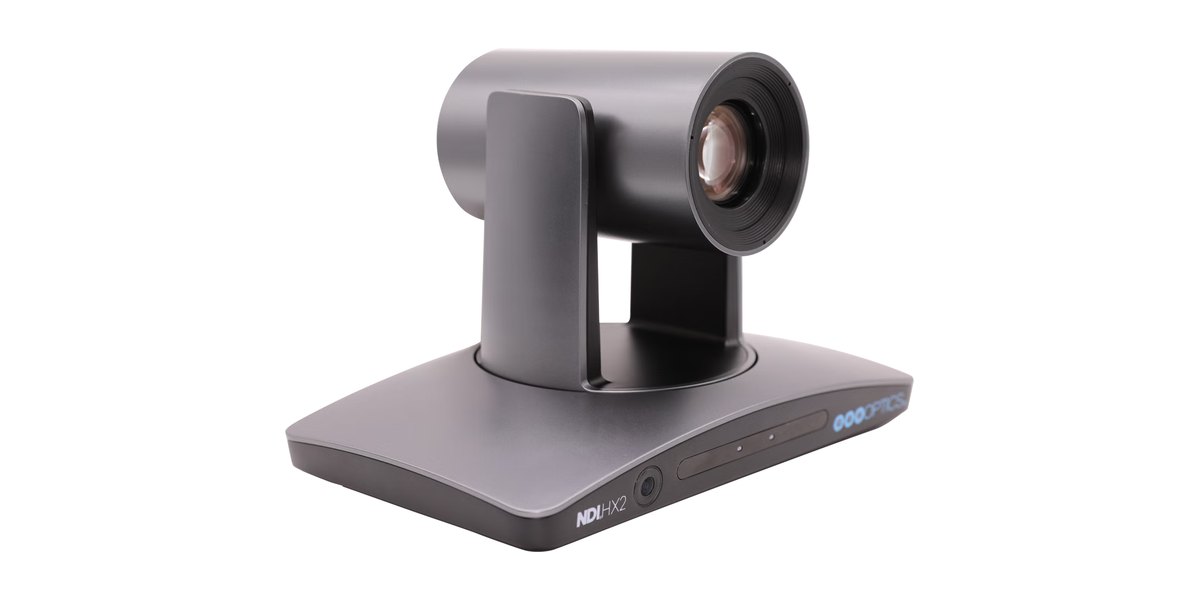
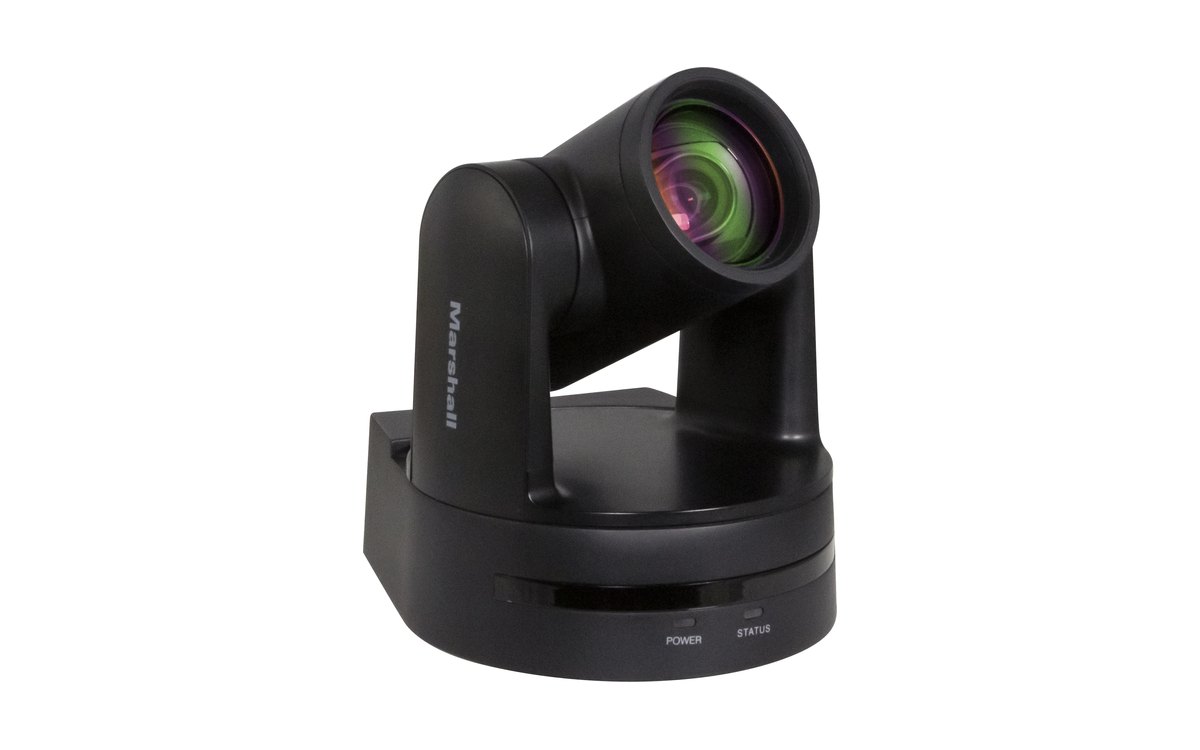
Program-grade moves, repeated on cue.
Robotic heads and cinema PTZ cameras run from the control room. Sony's FR7 puts a full-frame E-mount camera on its own pan and tilt head, with 12G-SDI, genlock and timecode.
Rail, dolly and crane systems for moves a fixed head can't make, quoted to the move.
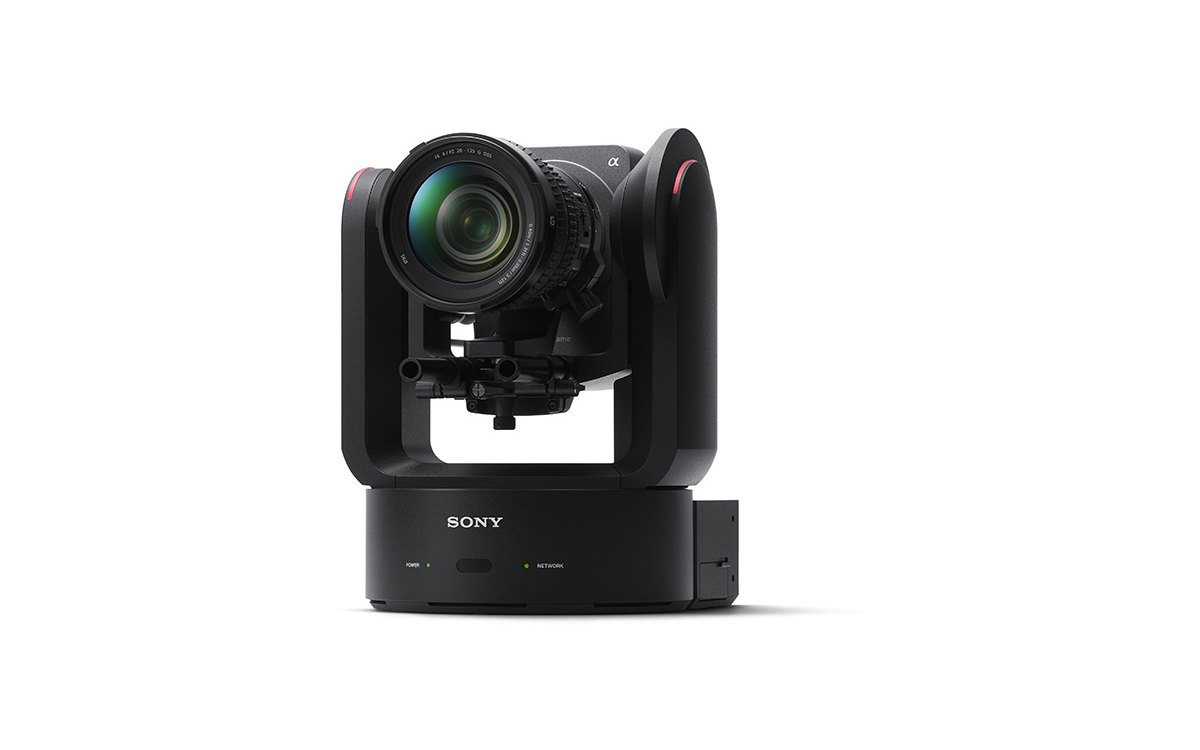
Robotic heads and control
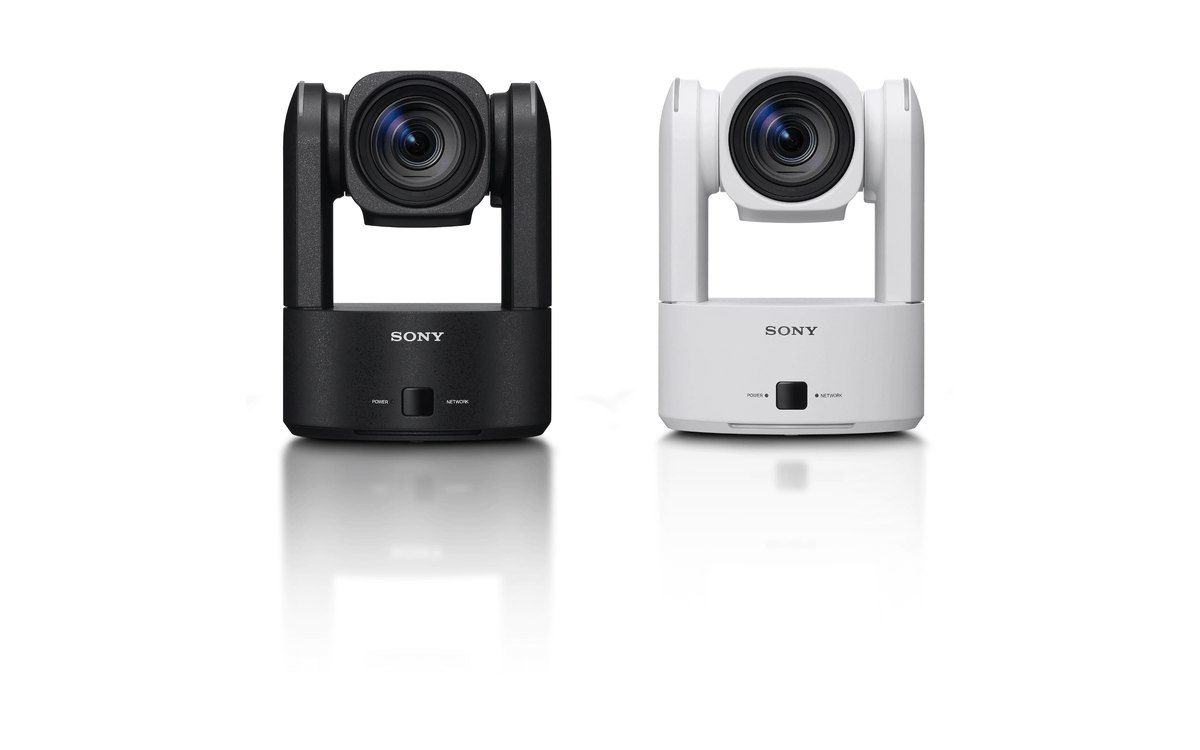
A station's PTZ fleet, matched to its studio cameras.
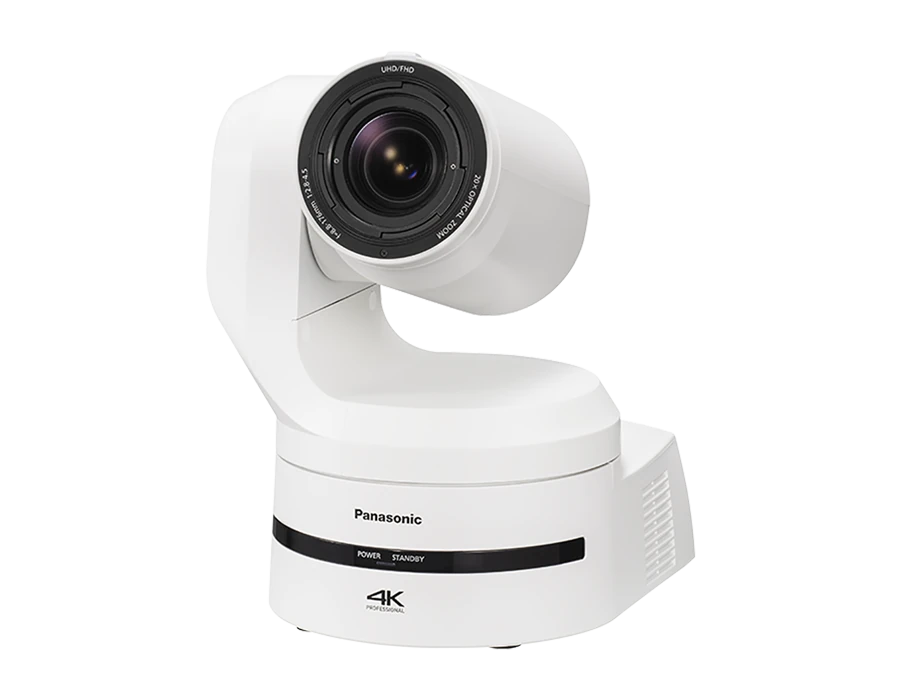
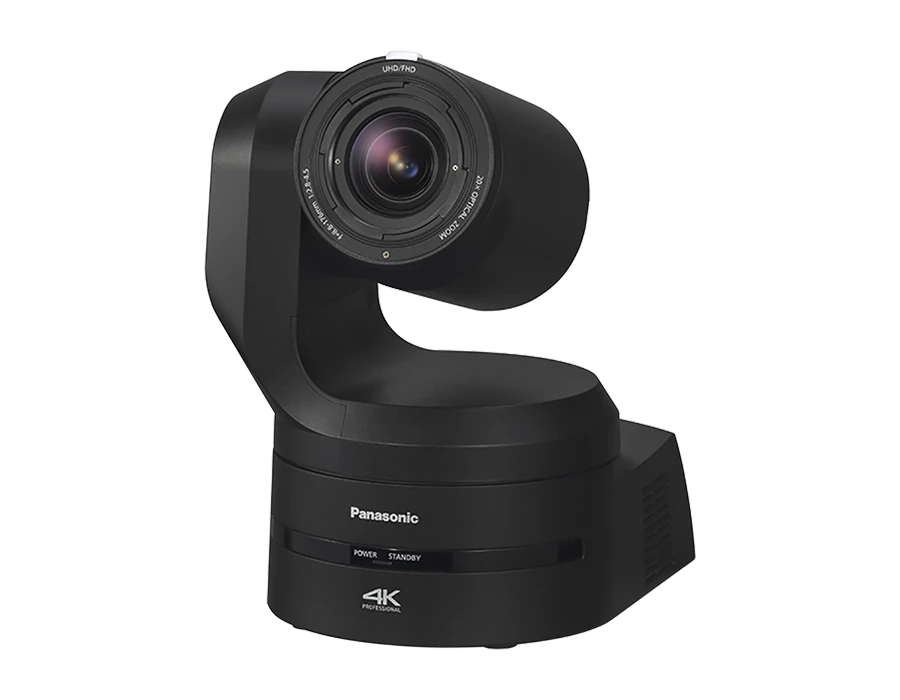
A regional TV station runs a Panasonic UE160 fleet on RP150 control, shaded to cut cleanly against its studio cameras on air.
Pictured: Panasonic AW-UE160, manufacturer image.
What PTZ buyers ask.
Q·01Can one person really run a multi-camera production?
Yes. A joystick controller with stored presets puts four or more cameras under one operator. Add auto-tracking and some shots run themselves. We spec the fleet, wire it, and train the person who'll drive it.
Q·02Does auto-tracking hold up in a sanctuary or lecture hall?
Modern tracking is reliable in the rooms it was designed for: a presenter on a stage, a lecturer at a board, a worship leader at a pulpit. We can test it before you commit, in our demo studio or on site in your room.
Q·03Can PTZ cameras cut together with our studio cameras?
Yes. Matching is the real work: shading, color, and control need to be set up so a PTZ shot sits next to a system-camera shot without the audience noticing. That setup is part of the install, not an extra.
Q·04Who installs, and what happens after?
Varto designs, mounts, wires and commissions the system, and offers operator training and ongoing support from the same team. Both are scoped in your proposal.
Q·05What does an installed PTZ system cost?
Camera count sets the floor, but the real drivers are mounting and cable paths, the control position, and whether tracking or automation rides along. A two-camera room and an automated campus are different projects. We scope to the room you have and the operator you have.
Q·06Should we wire for the network or for SDI?
Often both. Network-native cameras cut cabling and scale easily; SDI still earns its place in rooms with existing infrastructure, with fiber carrying the long runs. The answer comes from your building. We design the path first, then pick the cameras.
The right equipment, chosen with you.
Already know what you need? Get a quote on any of it Browse brands
plus Vizrt PTZ3 Plus · Bolin · SKAARHOJ camera controllers, and other lines on request