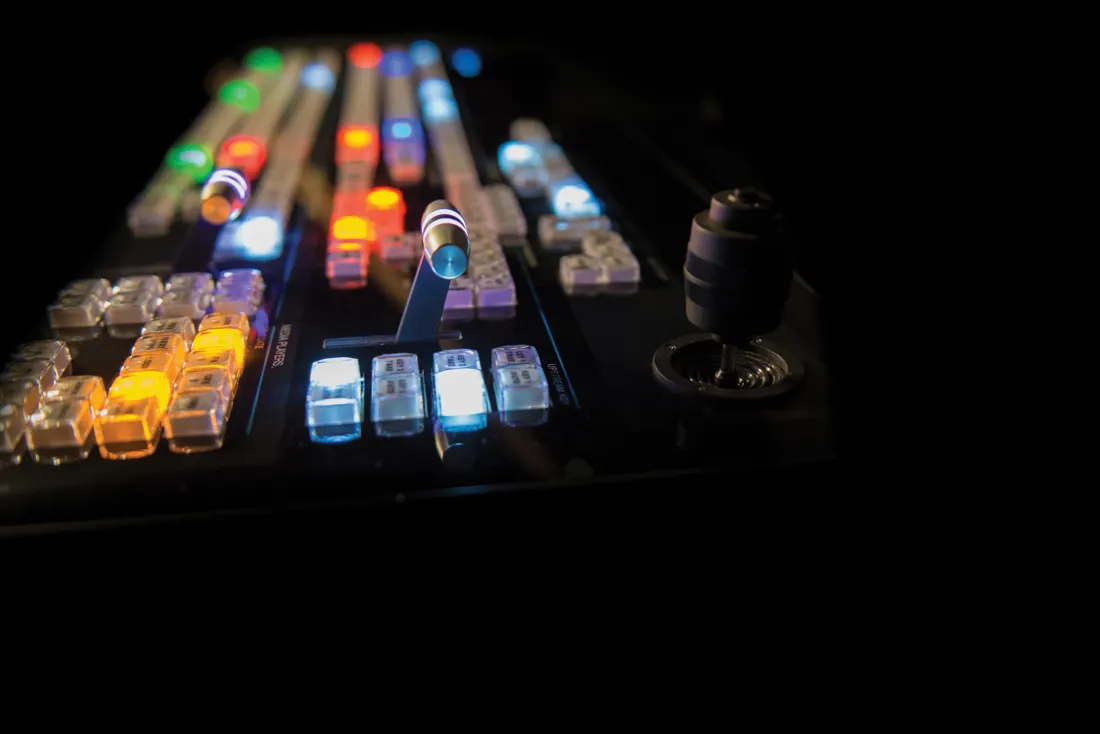
Studios, control rooms
and flypacks.
Designed around the crew that runs them, then racked, wired and commissioned on your own content, with training and support available afterward. The work runs from a single rack upgrade to a full facility.
The control room.
The switcher is one decision among several. Routing, multiviewers, tally, comms and the racks behind them are designed with it, and so is the backup if the room cannot go dark.
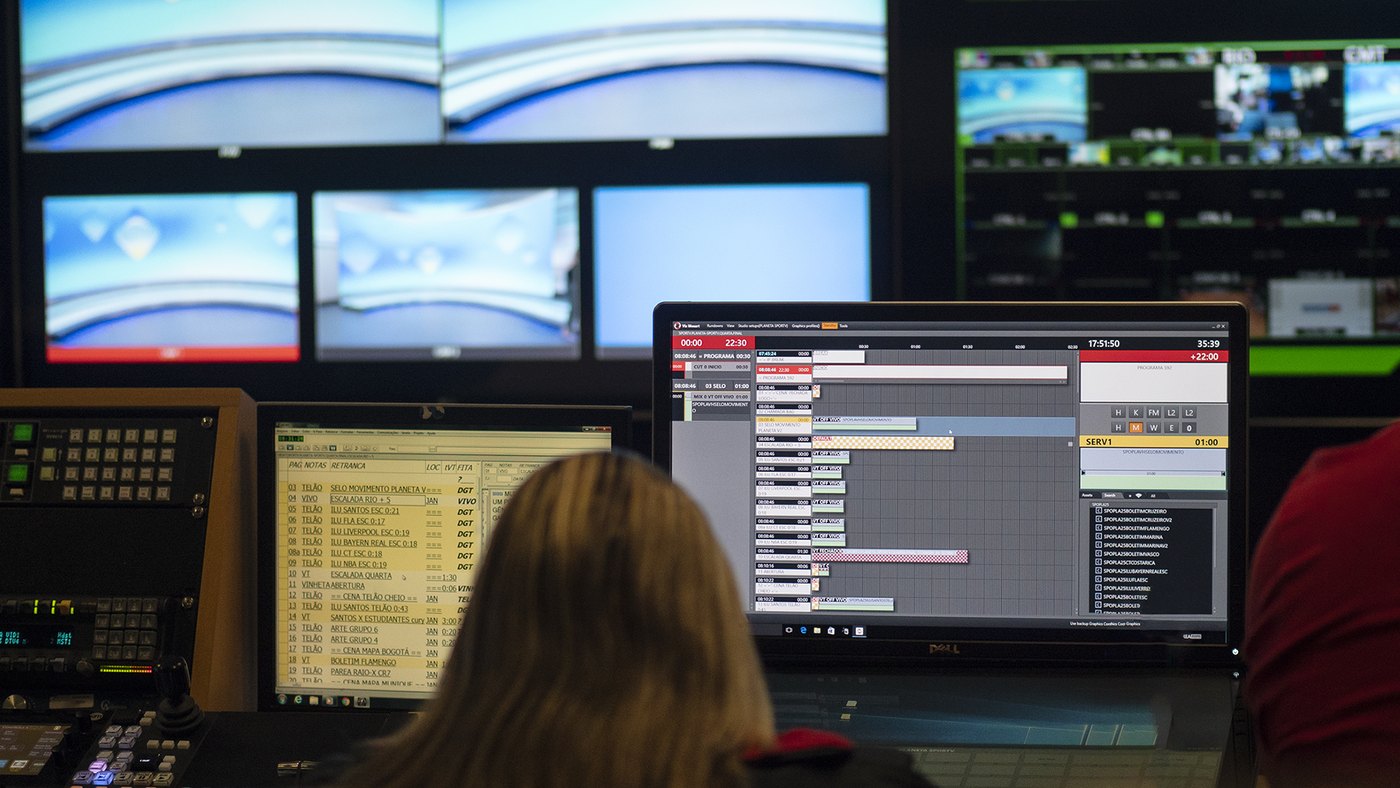
The room where the show is switched, mixed and monitored, laid out for the number of people who run it.
Specced against your inputs, your outputs, and the show you cut.
The router puts every source where it is needed; the multiviewer shows the crew all of them at once.
Tally tells talent and camera operators which camera is live; monitoring shows engineering the signals, levels and alarms that need attention.
Clean racks, labeled looms, and documentation the next tech can follow.
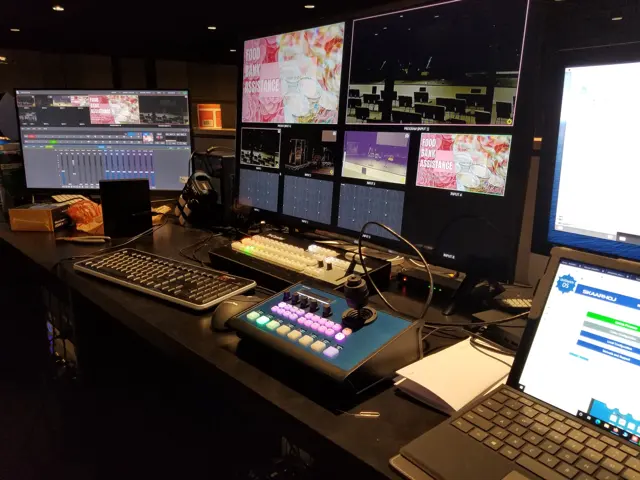
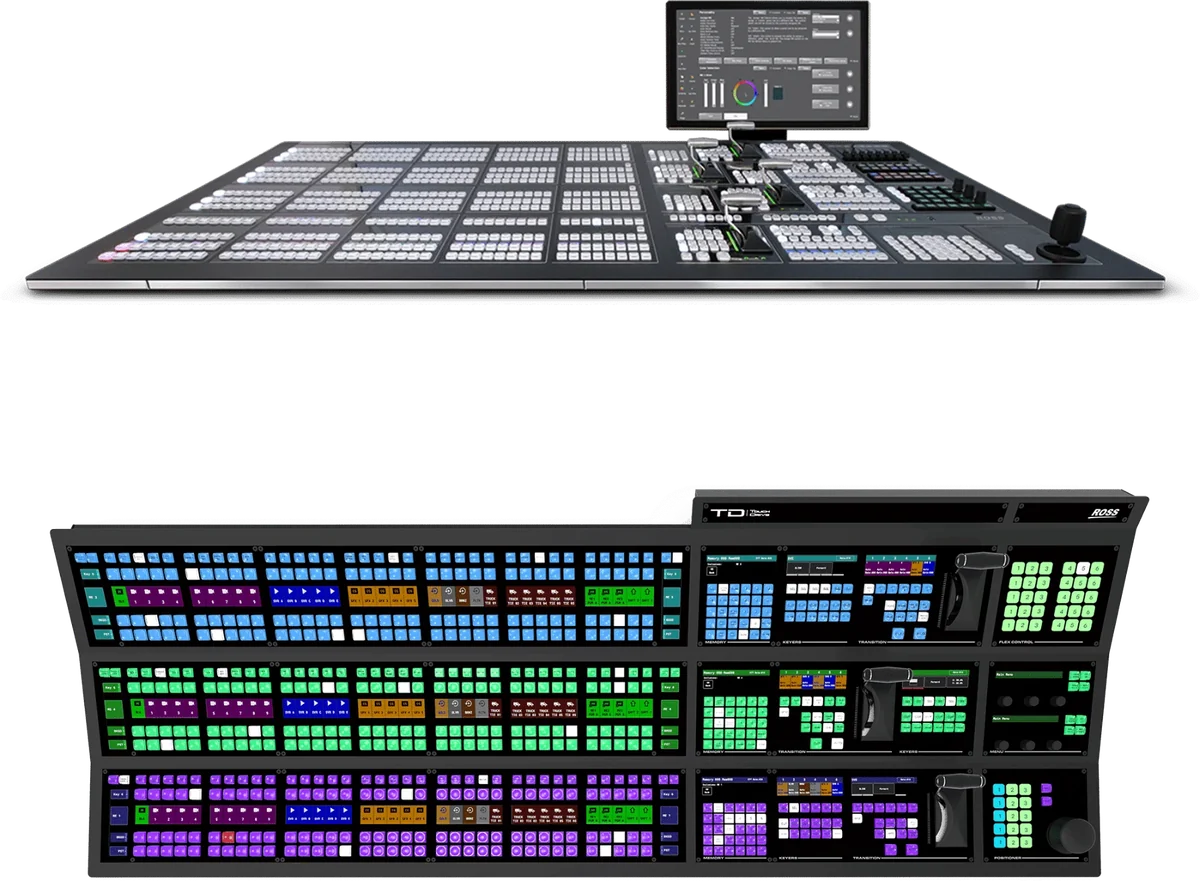
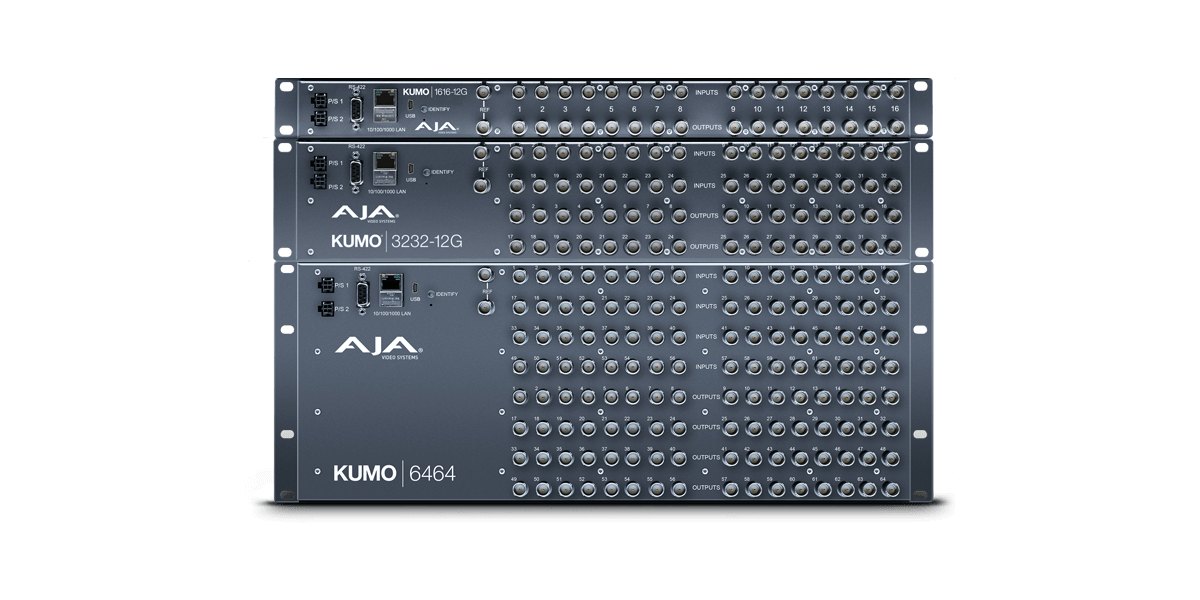
Switchers and routers


Production automation.
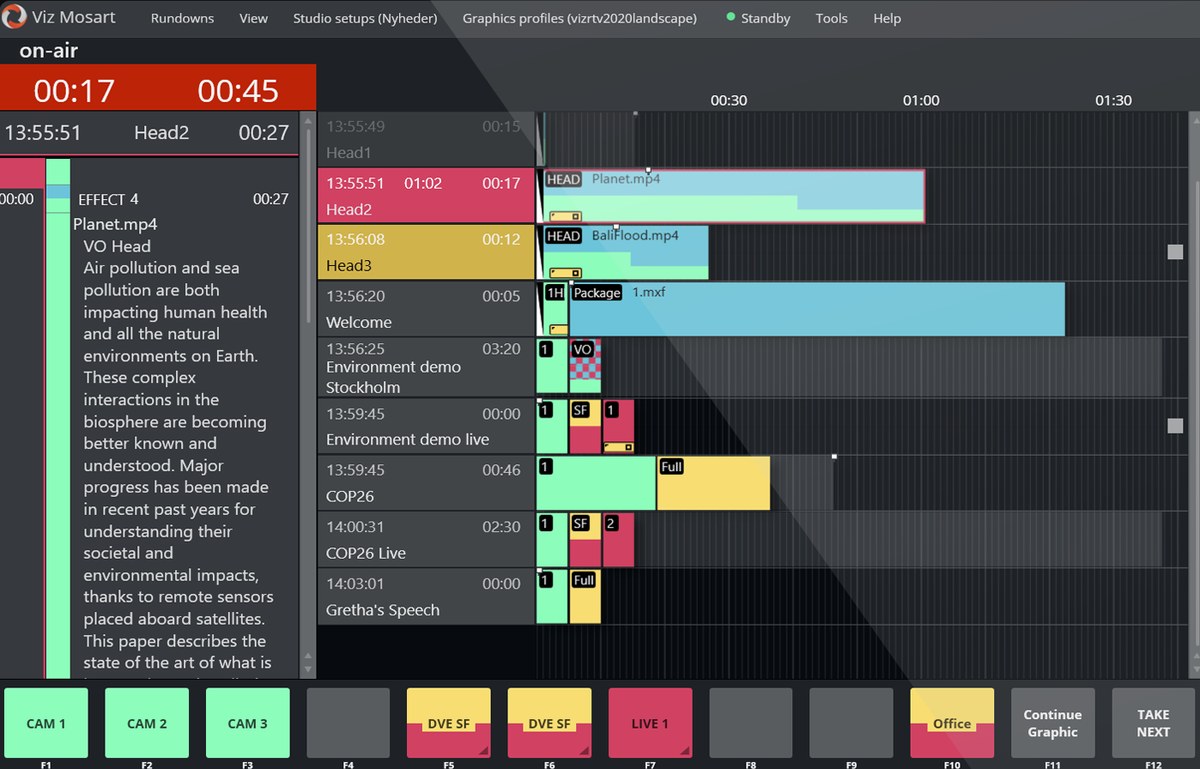
When a show runs from a rundown, automation can fire the routine moves on cue and leave the crew to handle what changes.
Viz Mosart reads the rundown from the newsroom system, whether ENPS, iNEWS or Octopus, and executes each story's template: camera cuts, clips, graphics, audio and robotic camera moves. A newsroom system is optional: smaller shows can build the rundown in Mosart's Showmaker web app. It normally runs on a live server with a backup.
Drivers cover switchers from Ross, Grass Valley, Sony, Panasonic and Blackmagic, and TriCaster, where Mosart runs the switcher, media players, audio mixer and sound player. We confirm each driver against your rack.
The operator can take full manual or semi-automated control at any point, then press Take Next to rejoin the rundown.
Automation runs a live show from its rundown. Channel playout runs a schedule of finished programs, and a graphics engine draws whatever either one calls.

The studio floor.
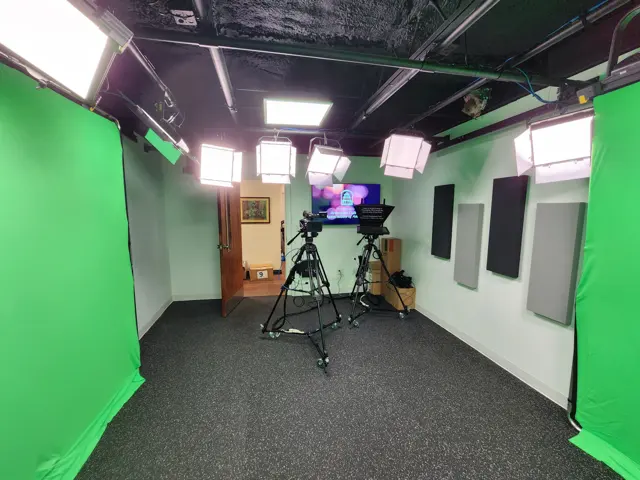
Set, lighting, cameras and prompting are planned together because each one limits the others: the lighting sets the exposure the cameras work at, and the lens decides the prompter hood.
One working space, installed and tested together instead of arriving as four separate deliveries.
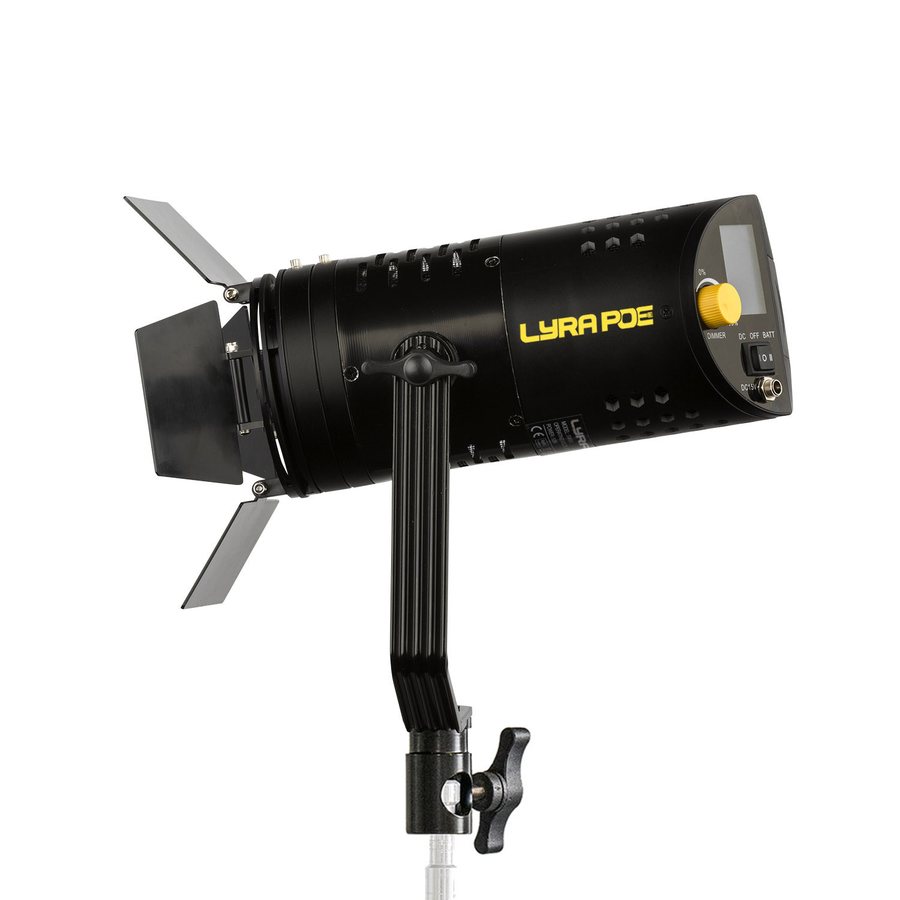
Fixtures, rigging and control sized to the set and the cameras, including fixtures powered and controlled over the network.
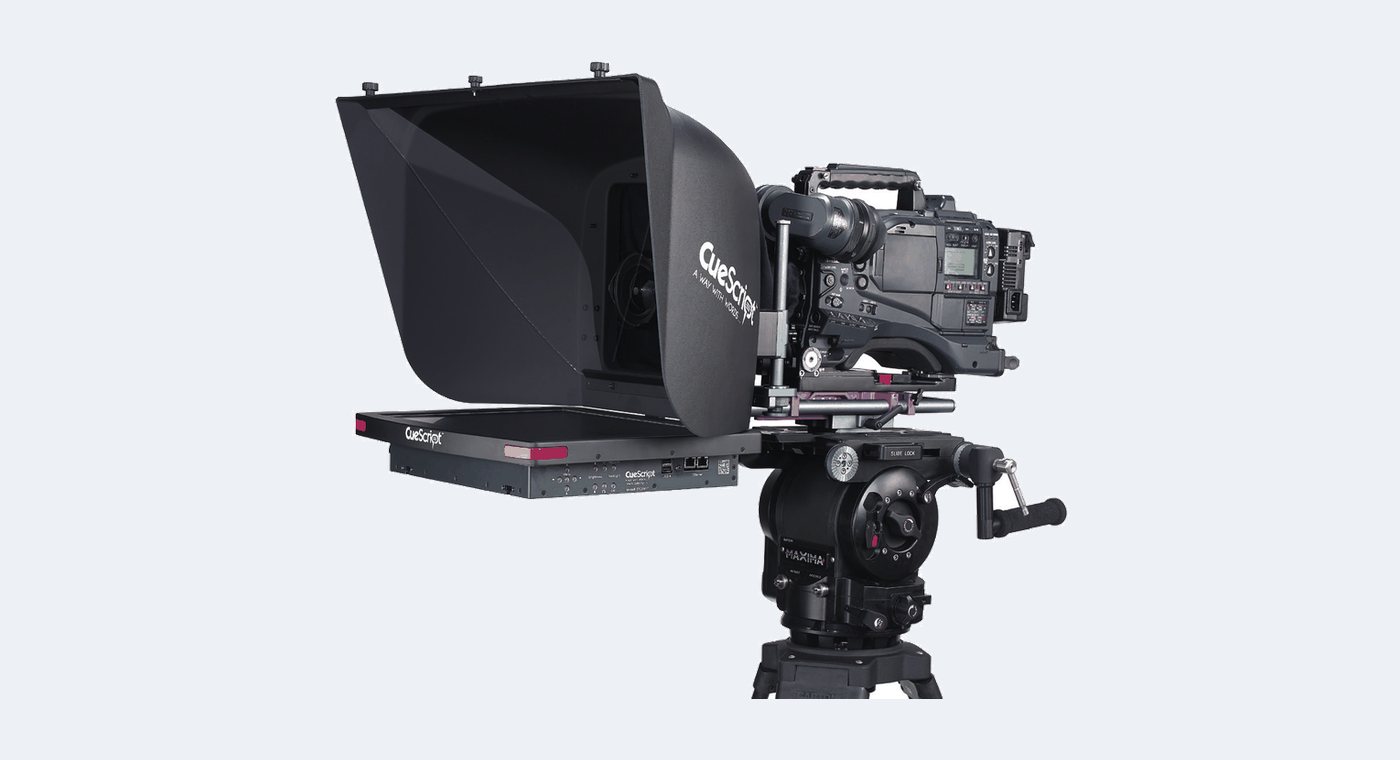
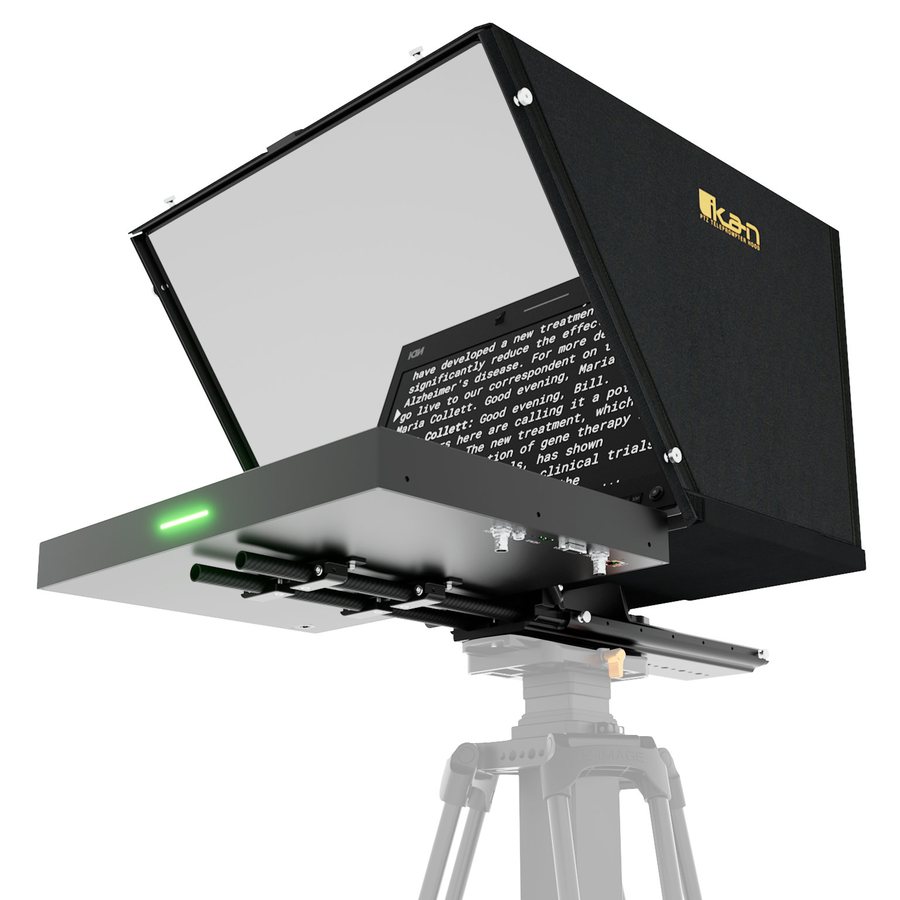
Prompters matched to the camera and lens, with the script reaching them over SDI, HDMI or the network.
Lighting and prompting
The flypack & the field.
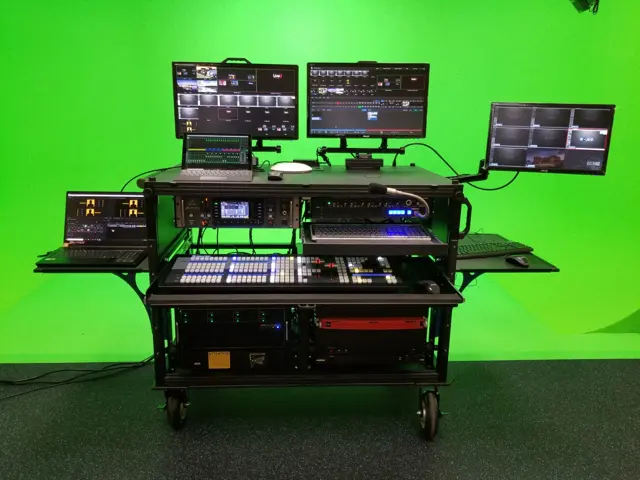
A production that travels: switching, networking, recording and storage packed in cases or on a cart, with comms and transmission added for the show.
A control room in cases: packed, labeled, and wired to set up the same way every time.
Field kits that shoot, transmit, and hand off cleanly to the room back home.
Built for cases and carts
To air.
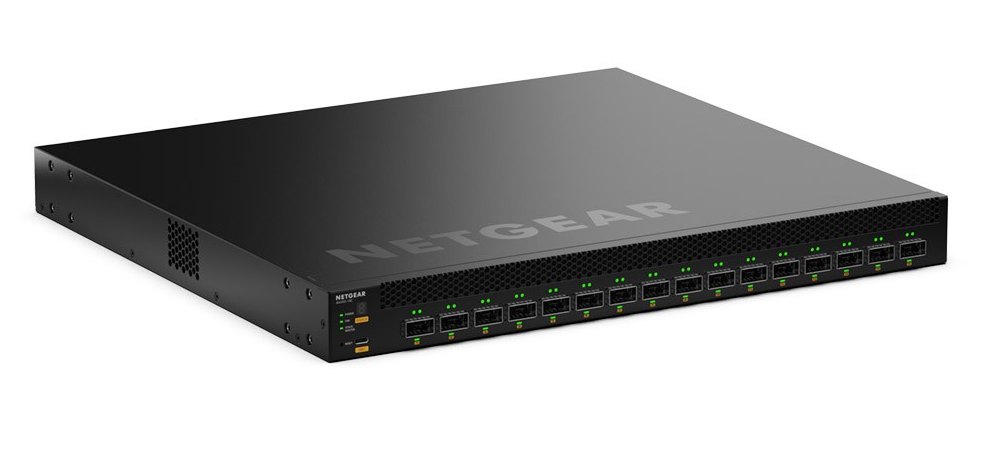
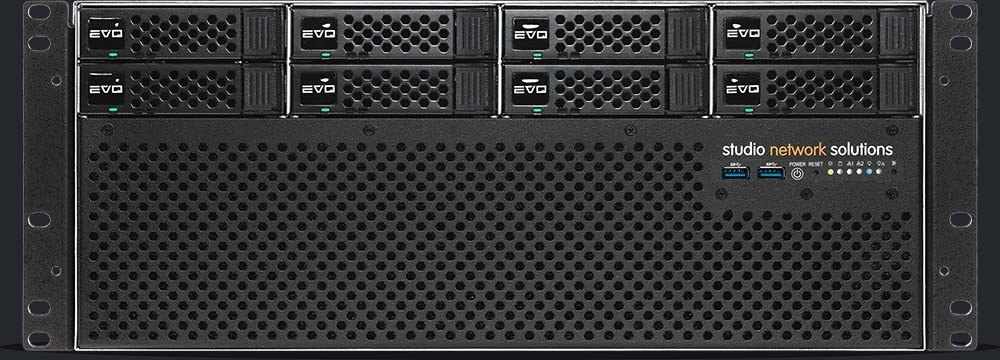
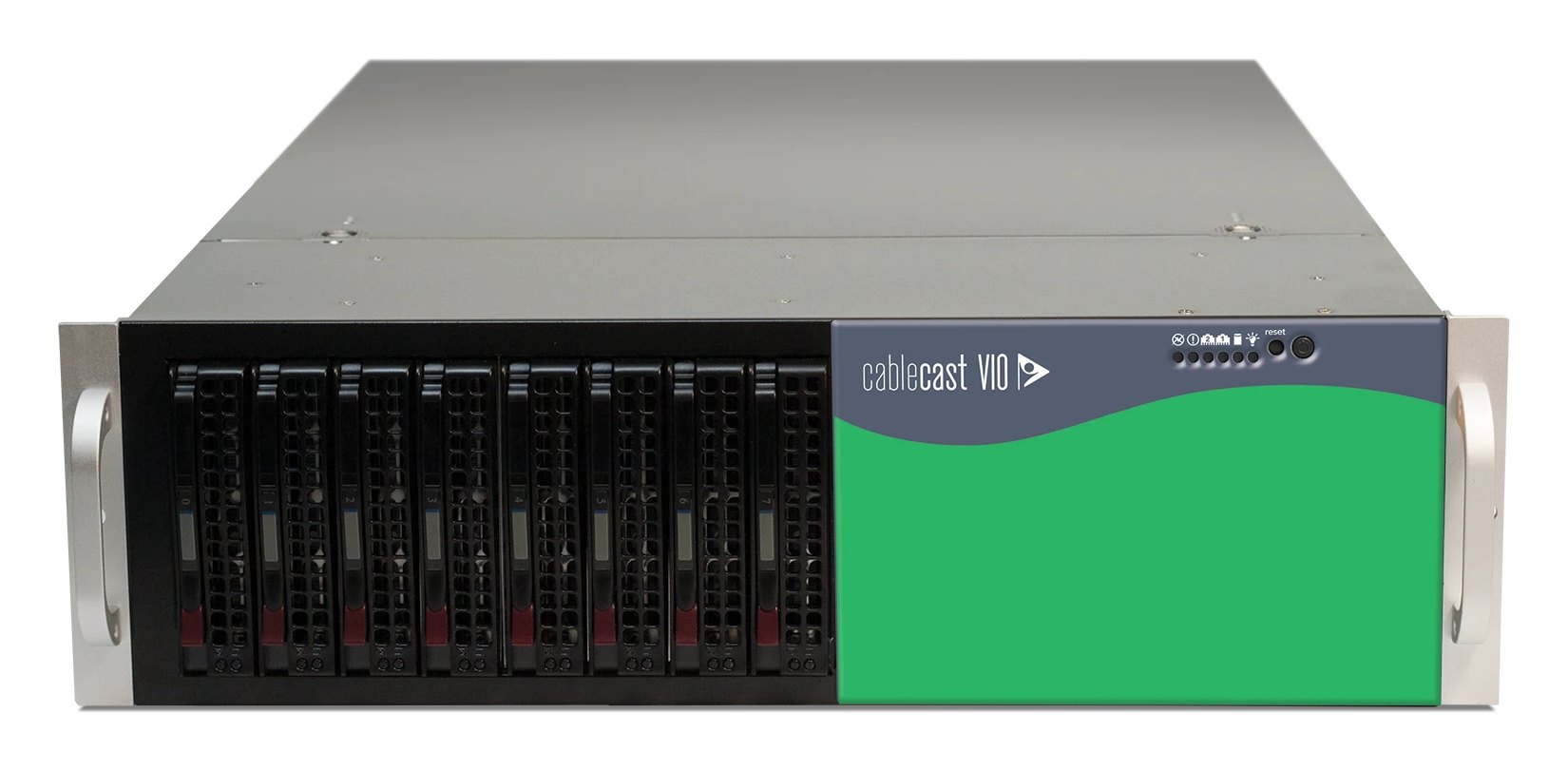
The last stop before air: routing, channel branding and playout, with the switching and alarms an operator needs when something changes.
Playout that runs the schedule, fills the gaps between programs and logs what aired; staff take over for live events.
Every signal path tested and tuned before handover, and signed off with you.
Playout and recording

A draw studio designed around its backup.
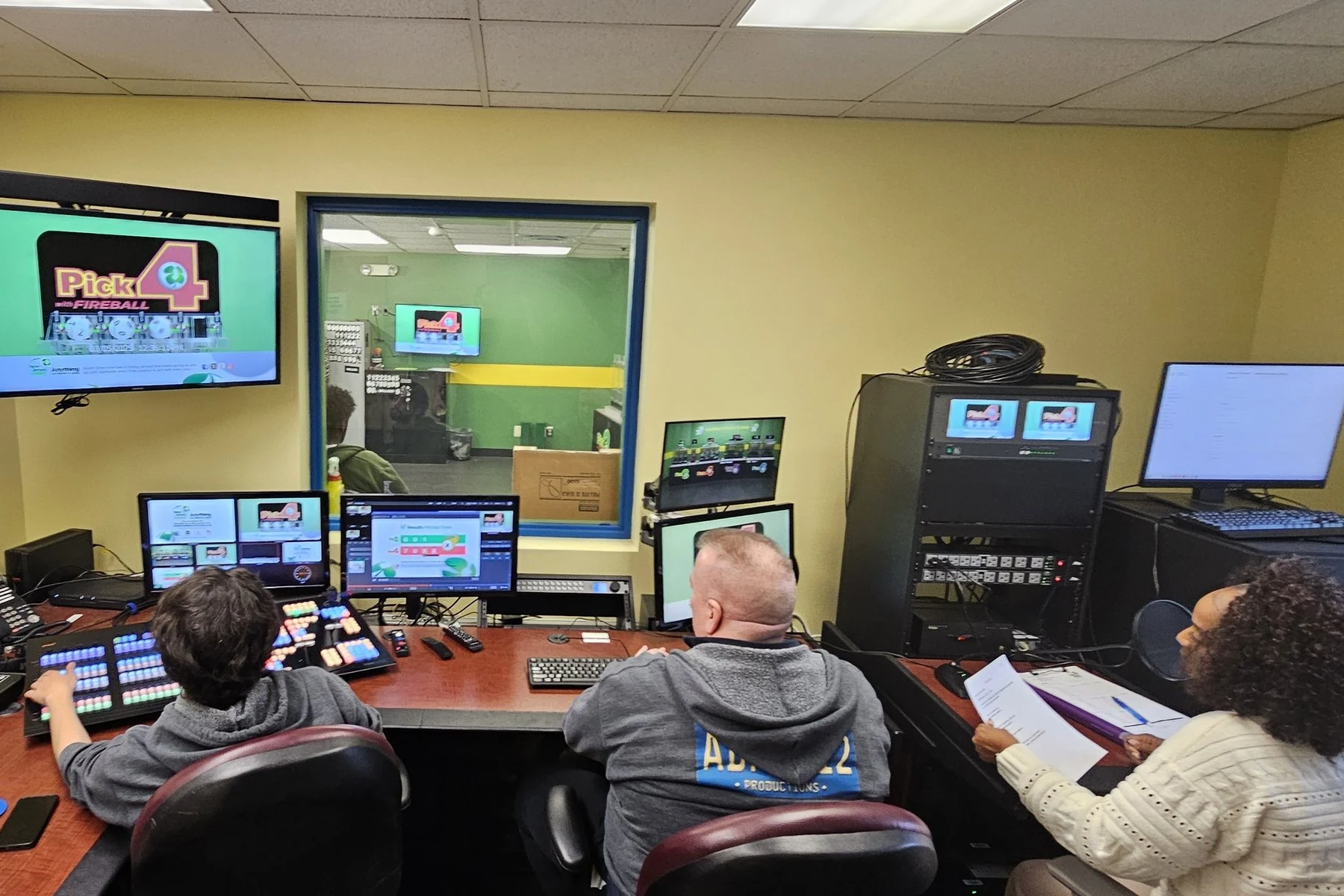
Varto built the New Jersey Lottery's draw studio: three live draws a day on primary and backup TriCasters, with Flowics graphics and Dante audio on a Yamaha DM3.
What room-builders ask.
Q·01What will the room cost?
It is quoted to the room and the workflow, not from a rate card. The design phase exists so the number you approve is a real one.
Q·02How long does a build take?
A single-room refresh usually runs a few weeks once the gear is in hand; a full studio and control room is a months-scale project, and lead times and construction drive the schedule more than the integration does. The calendar is drafted at design time, phased around your broadcast schedule.
Q·03Can you rebuild our control room without taking us off the air?
Usually, yes. We phase the work around your production schedule, stage and pre-configure as much as possible off site, and plan the cutover for the window that hurts least.
Q·04Do we need an integrator, or can we buy the gear and set it up ourselves?
You can buy all the right gear and still not have a room. The product is the signal flow, the labeling, the monitoring, and the proof that it all works under pressure; that is what commissioning buys. And when a straight purchase is all you need, we will say so.
Q·05Our crew is small. Can they run a room like this?
Often, yes. Rooms can be specified for two-person or one-person operation, with automation, presets and layouts that put everything within reach. Then we train the people who will sit in the chair.
Q·06Can the build be phased across budget years?
Yes, and it often should be: the design carves phases that each leave a working room. Ask about financing for what one budget year cannot cover.
The right equipment, chosen with you.
Already know what you need? Get a quote on any of it Browse brands
plus TriCaster · HyperDeck · AJA · Cablecast · CueScript · Ikan · Litepanels · Middle Atlantic racks · SKAARHOJ production-control panels, and other lines on request