
Cameras at the venue,
control room at base.
Switching, graphics, replay and audio mixing run from base or the cloud; cameras, audio and the transmission kit stay at the venue. It needs reliable connectivity at the venue and a timing plan for camera cuts, comms and return video.
The room that stays home.
Your own control room runs the show, and only the venue crew travels.
Switching, graphics and replay running in the cloud instead of a rack, when the event calendar favors a subscription over hardware.
Operators in different buildings, or different states, working one show.
Shading, framing, and PTZ control from wherever the operator sits.
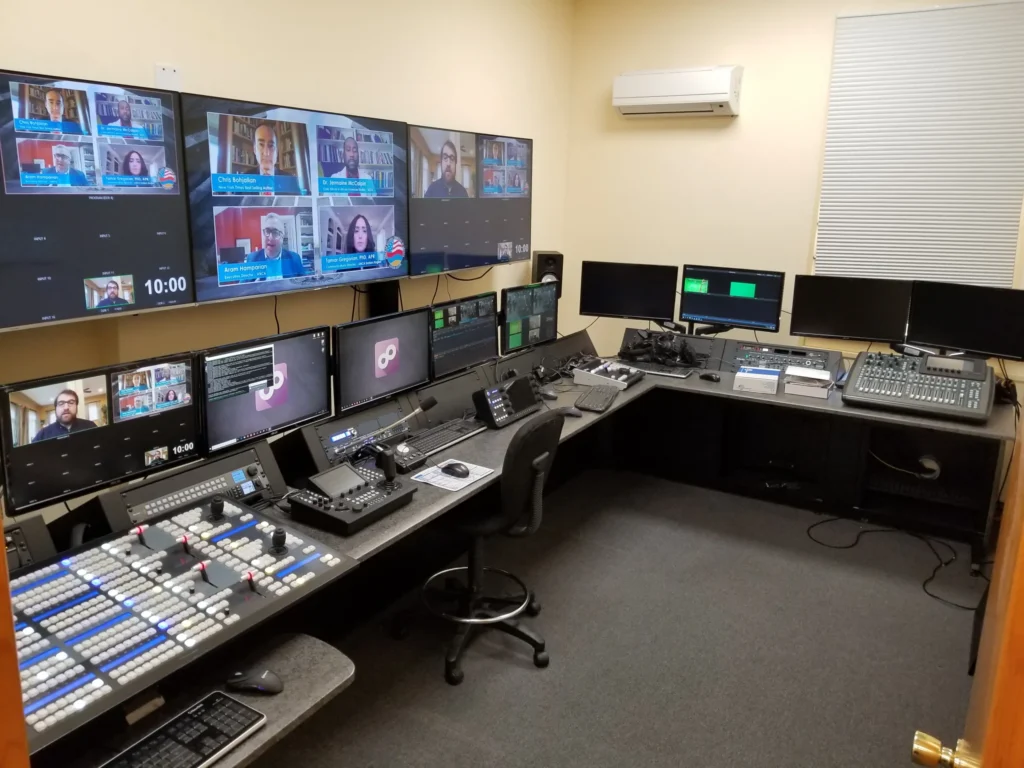
Control rooms, racked or in the cloud
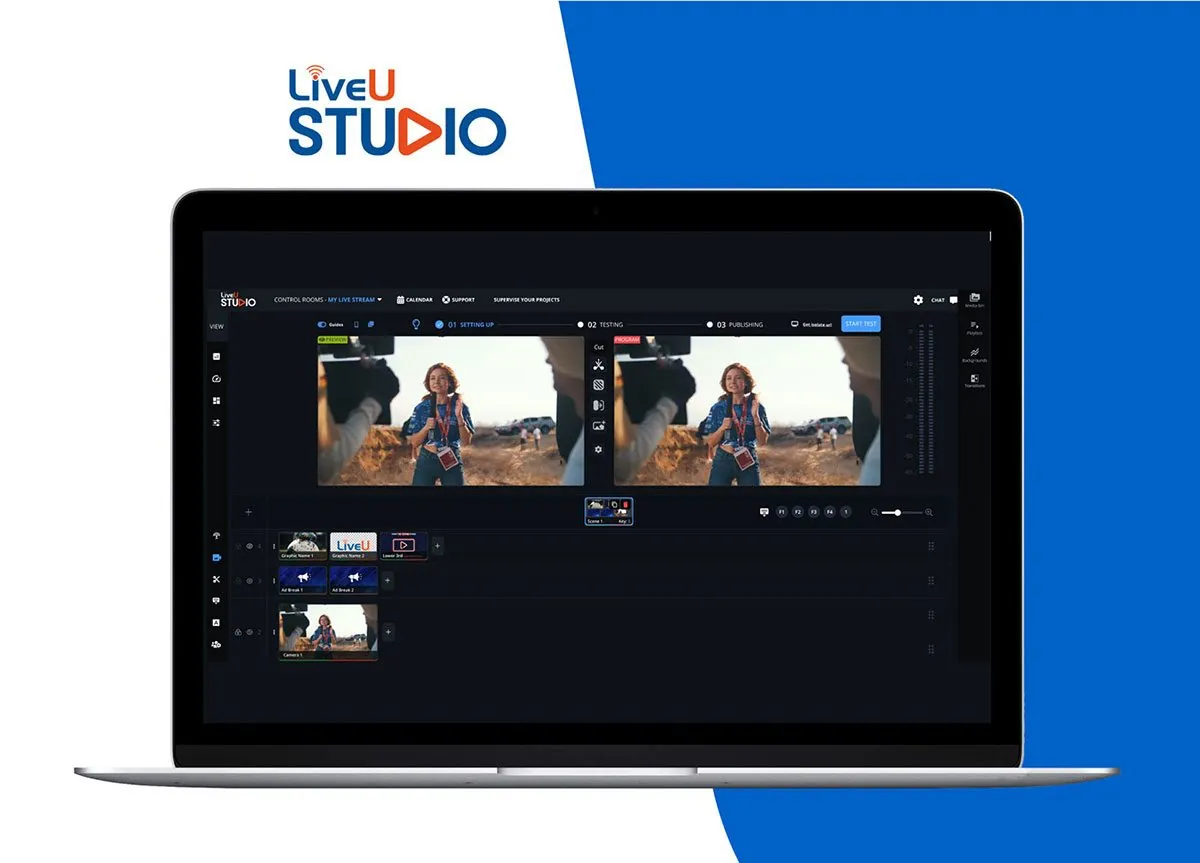
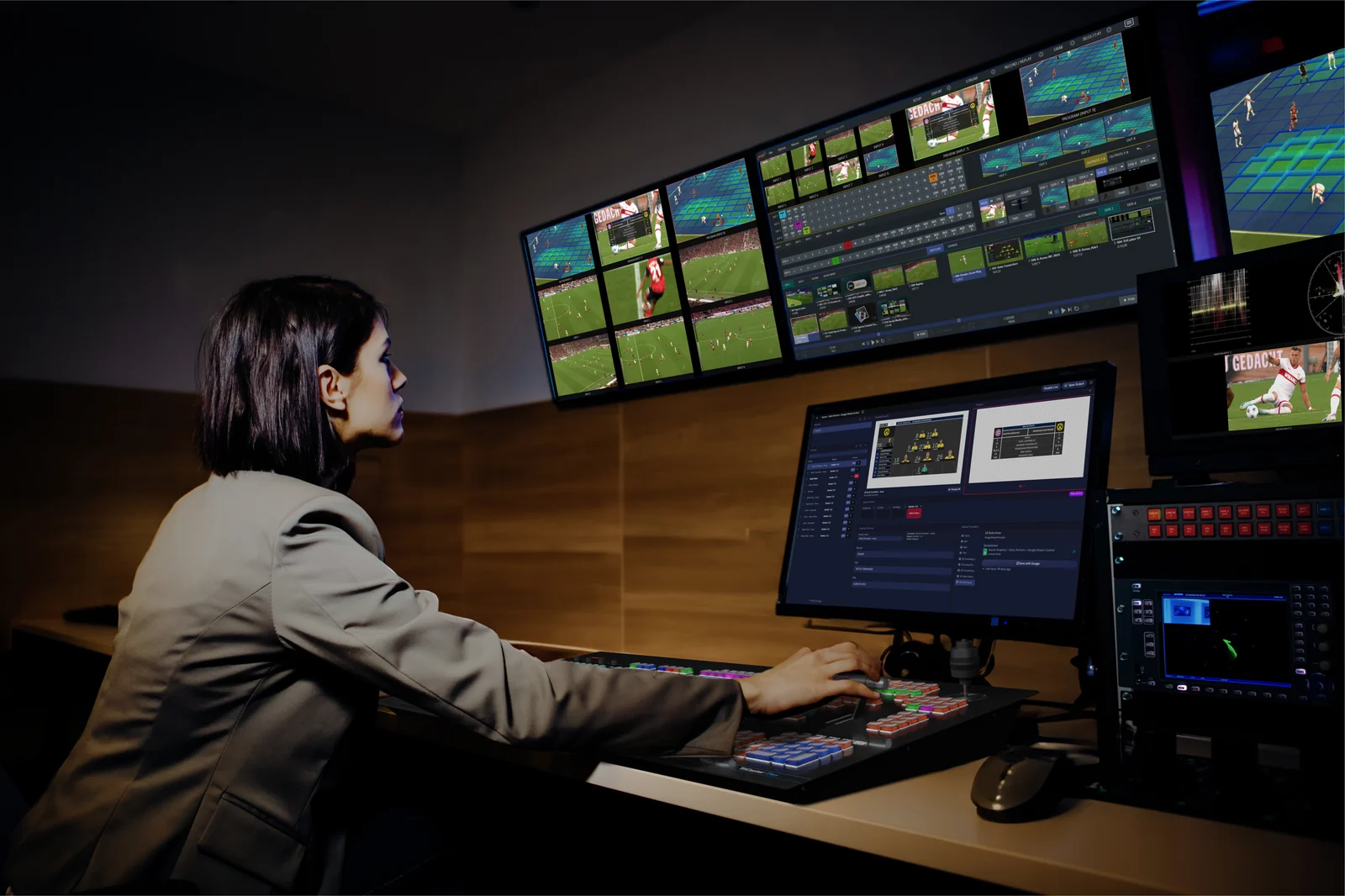
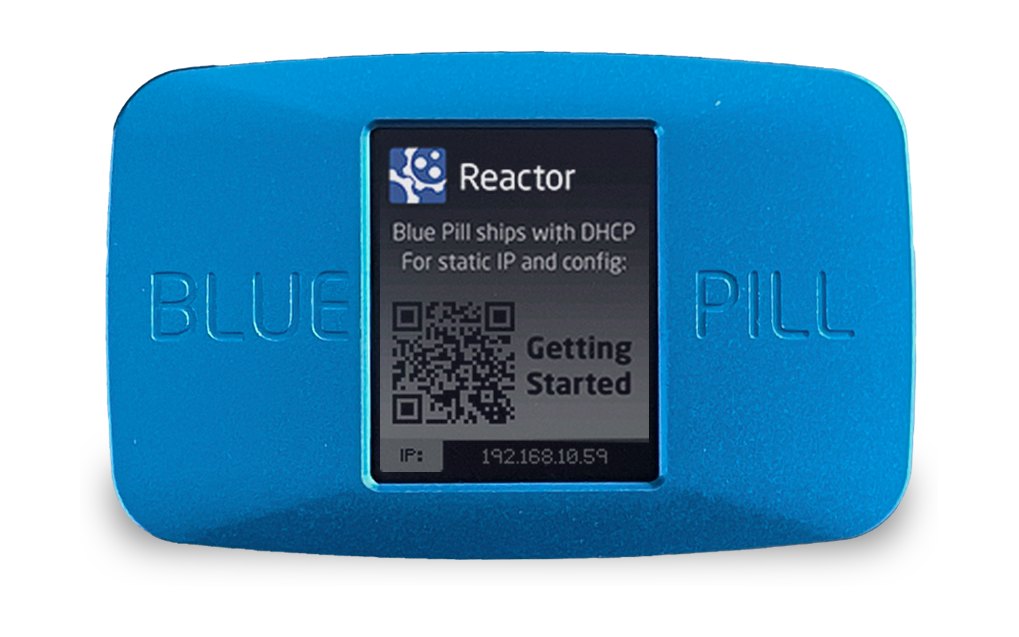
The path home.
The path carries every camera home and brings return video, comms and camera control back to the venue, so it gets a backup of its own.
Several cellular and wired links combined into one path, for venues with no broadcast infrastructure.
Guests, reporters, and remote cameras brought into the show cleanly.
Fiber, internet and bonded paths that carry the show home, each with a planned backup.
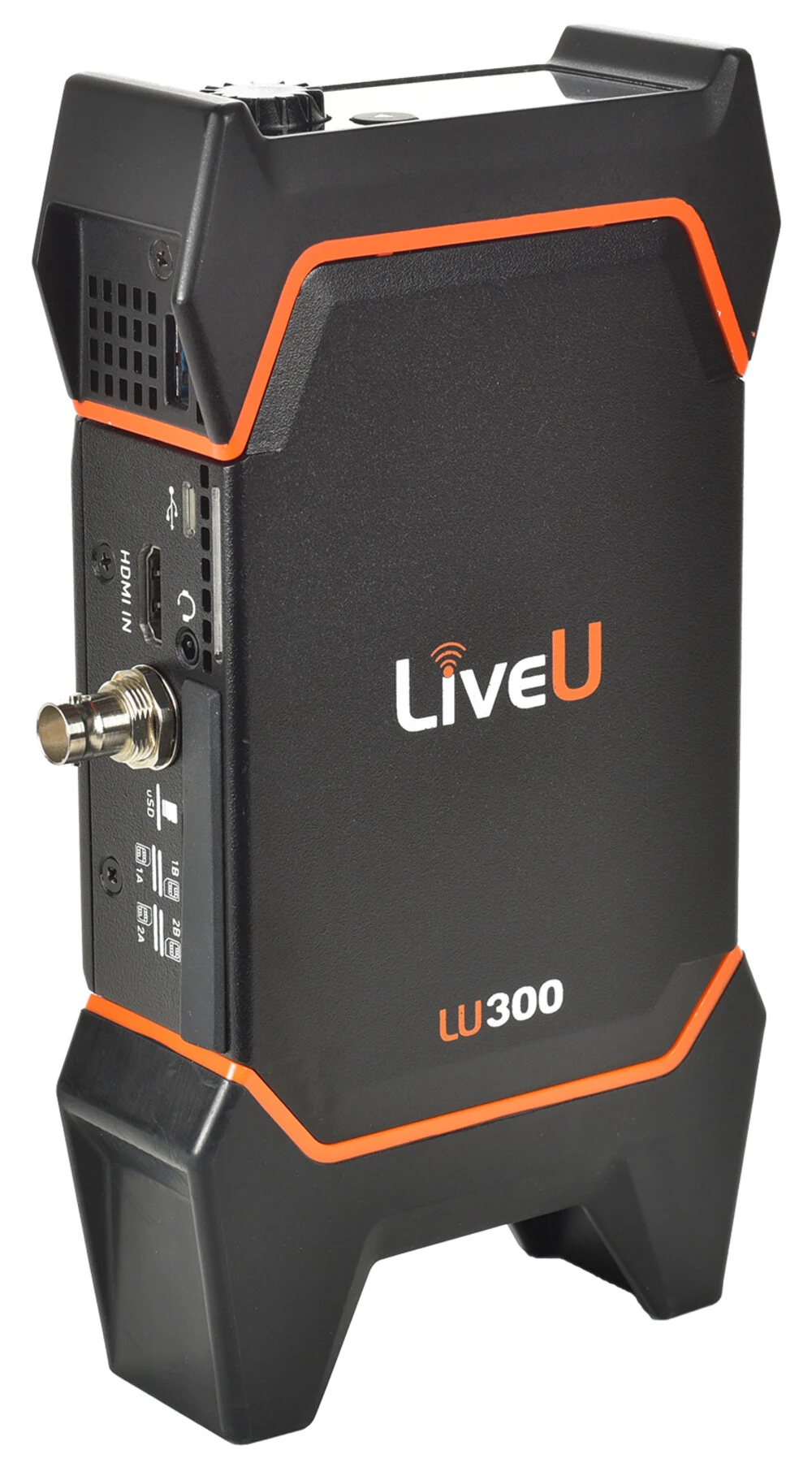
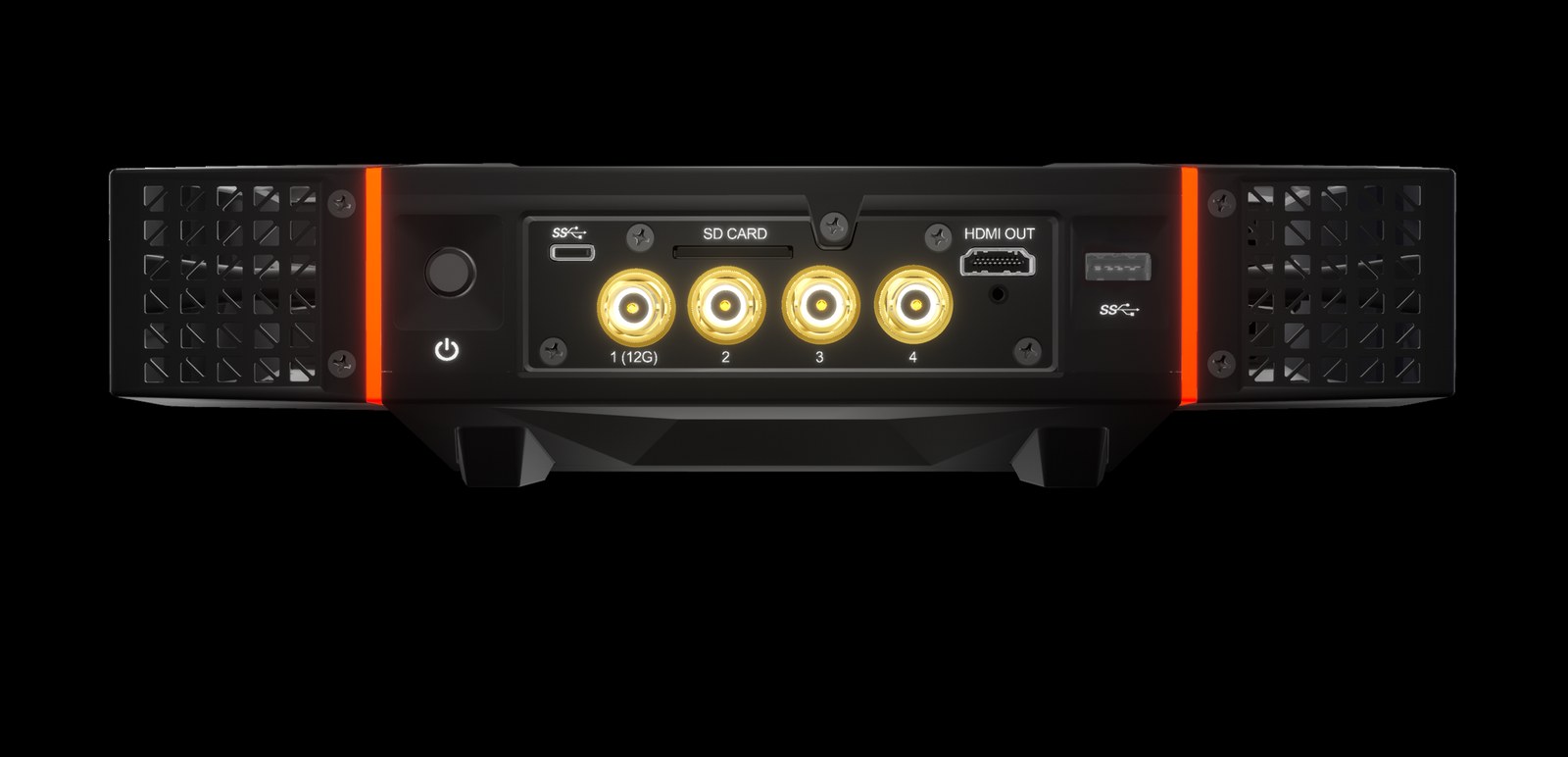
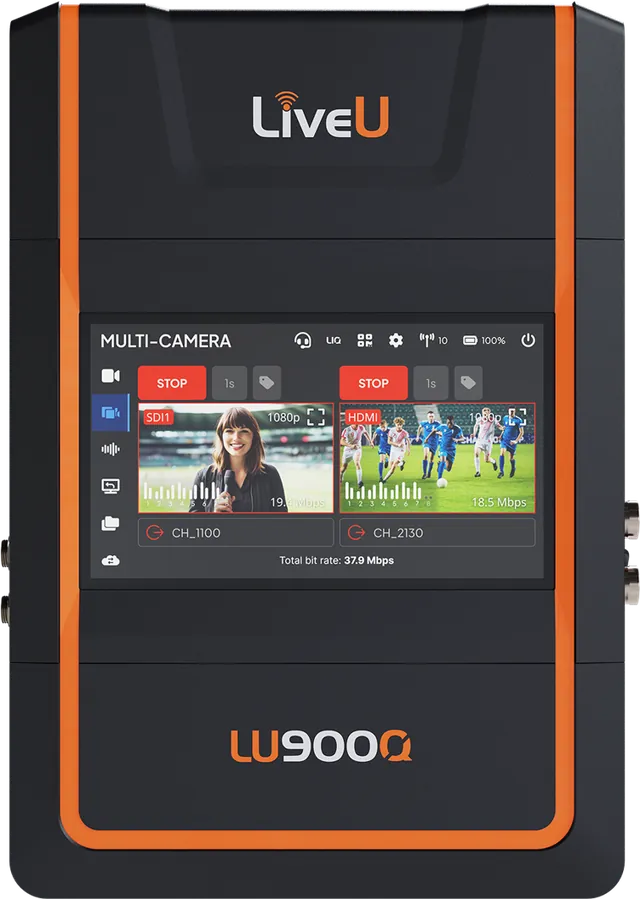
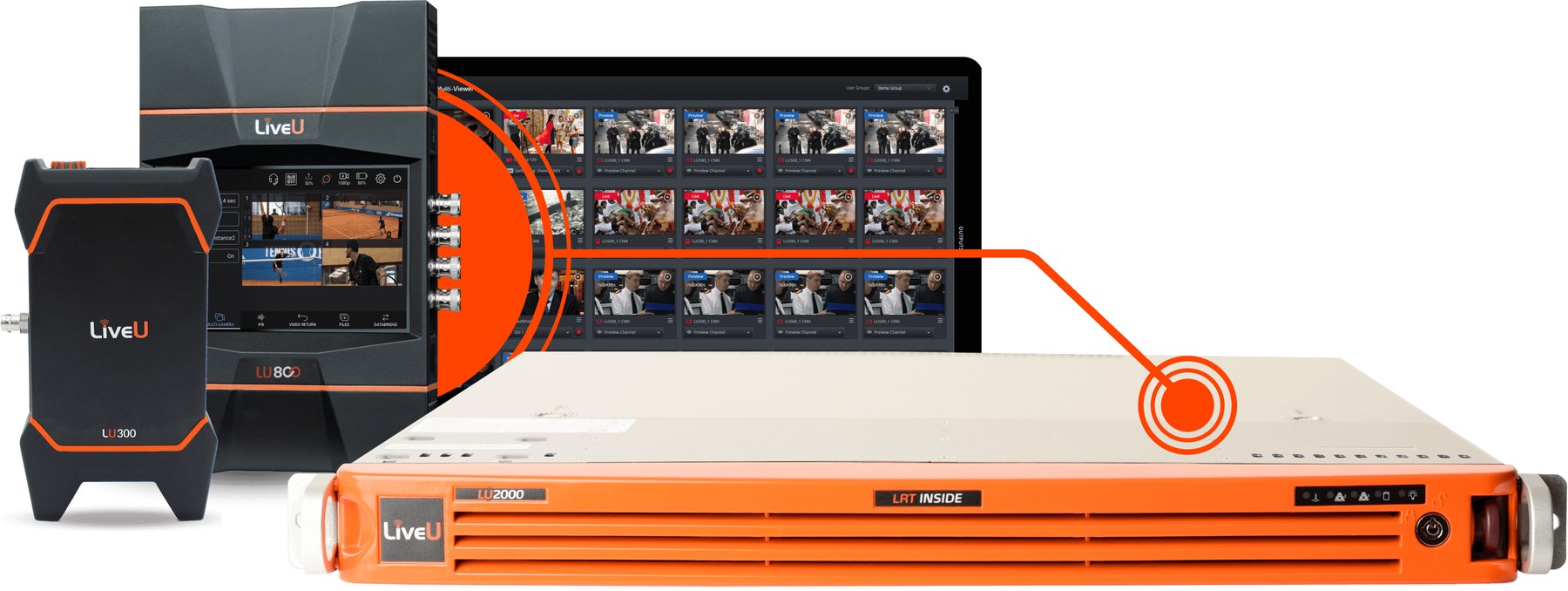
Both ends of the link
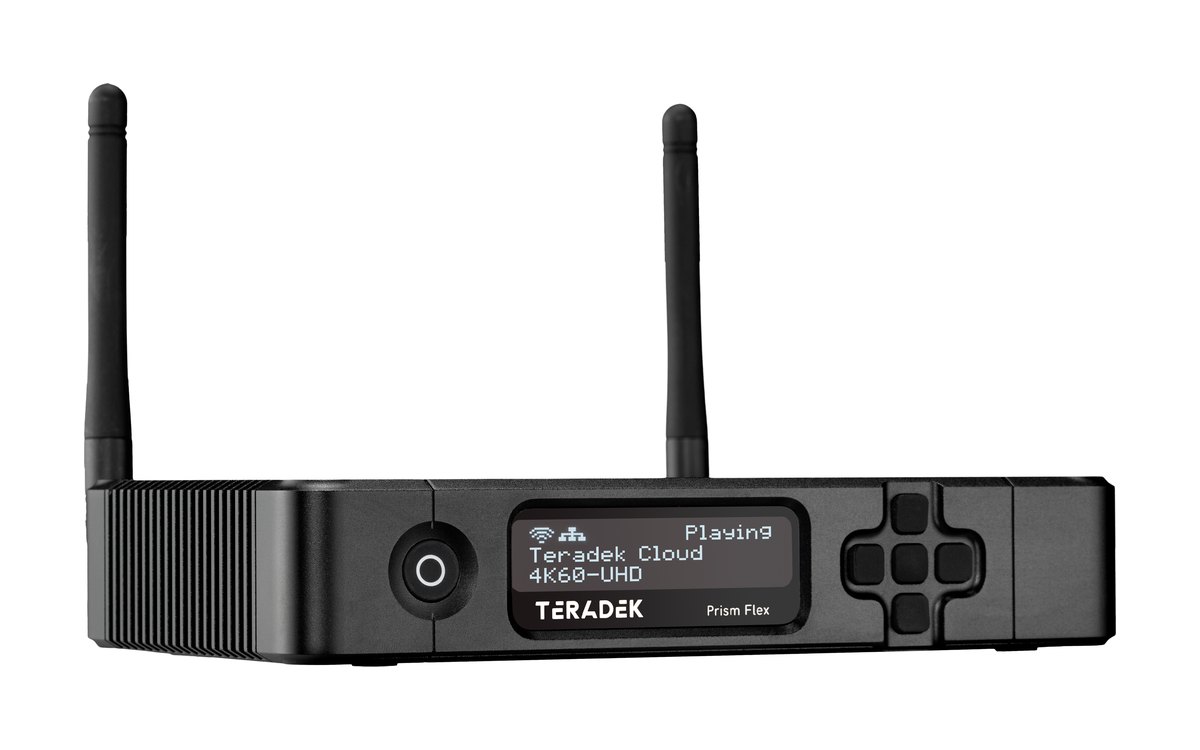
Related field experience.
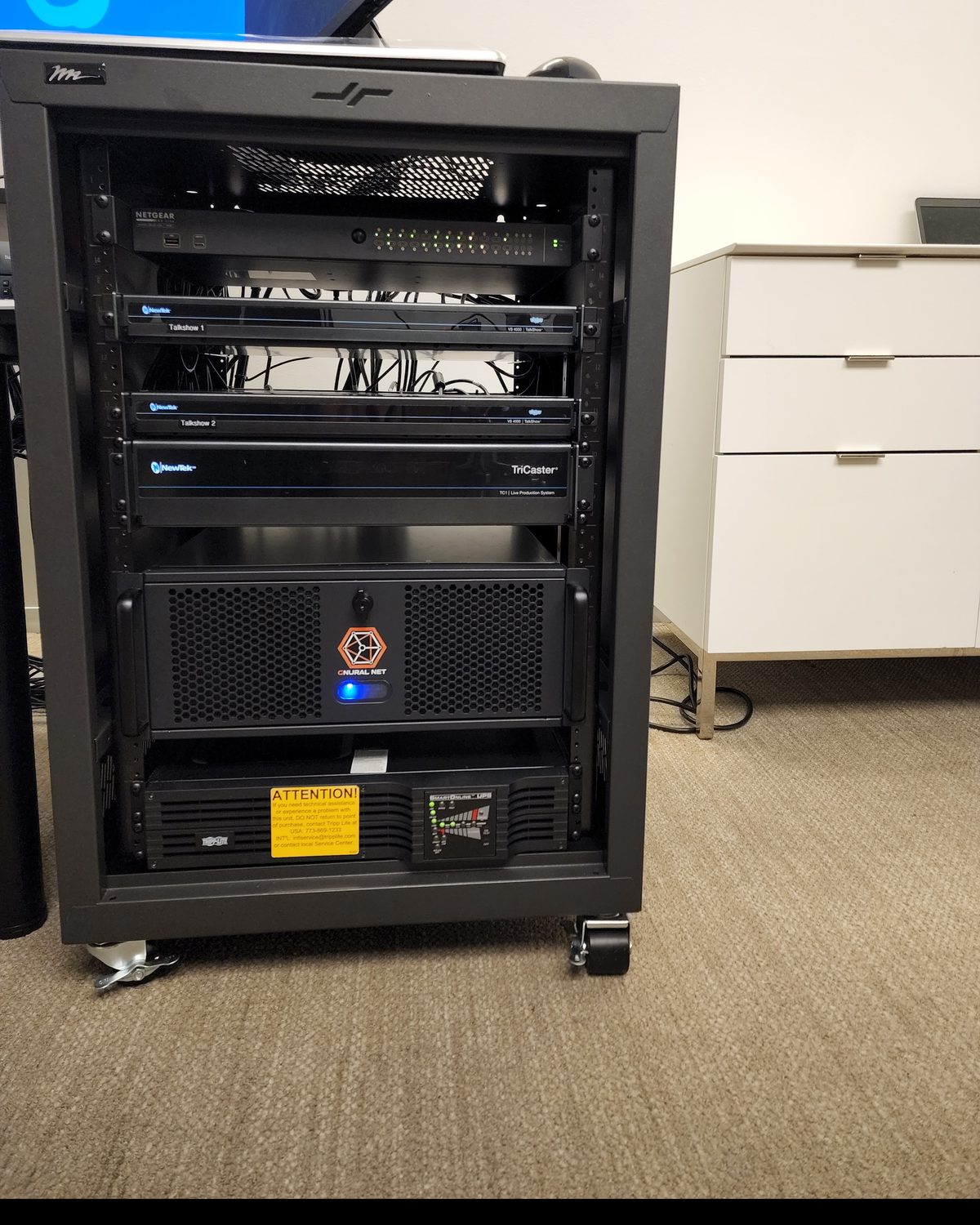
The Washington Post, 2022: Varto supplied and installed a production system at the Post in Washington, DC, and also ran productions for the Post. A TriCaster TC1 switches the show, and two TalkShow units in the rolling rack bring remote callers in as sources.
What remote producers ask.
Q·01How much crew still travels?
Typically a camera op or two and a utility. Switching, graphics, replay, and audio can stay home. The count depends on the camera plan and on who sets up the transmission kit.
Q·02What if the venue internet is bad?
We plan for it: bonded cellular aggregates several carriers, and wired links join when the venue has them. Venue Wi-Fi is never the plan.
Q·03Cloud or hardware control room?
Depends on how often you produce and how your costs prefer to land, monthly or capital. A hybrid often fits: hardware for the regular schedule, cloud for the peaks. We'll model it against your actual event calendar.
Q·04How much delay does remote production add, and will viewers notice?
Enough that the design has to account for it. Camera cuts, comms and return video each have their own timing budget, and setting them is the design work. The crew feels the delay more than the audience does, because viewers see the whole program delayed together.
Q·05Can we run one event remotely before planning a permanent system?
Yes. Transmission and production gear can be rented for a single event, subject to fleet availability, and run by your crew or with Varto operators. A permanent system is designed separately, around your venues and schedule.
Q·06What does the venue side actually need?
Cameras, audio, power, and the transmission kit that gets signals home. No truck, no control room, no operators behind glass: the venue package fits in cases, and setup time depends on the camera count and cable runs.
The right equipment, chosen with you.
Already know what you need? Get a quote on any of it Browse brands
plus LiveU Studio · LiveU IQ · TriCaster Vizion (Cloud), and other lines on request